Artistic Elements: Exploring Art Through Descriptive Writing

- Preview |
- Standards |
- Resources & Preparation |
- Instructional Plan |
- Related Resources |
- Comments
Overview
Art and literature go hand-in-hand in this integrated lesson designed to develop descriptive writing skills. Student artwork serves as the basis for a guided discussion on the elements of artistic expression—color, shape, line, and mood—and how these can be conveyed in written language. A read-aloud of Anna's Art Adventure applies these ideas to the work of well-known artists, focusing on Jackson Pollock. Students each choose a work of art from an online or print source (recommended sources are included) and work individually to write a vivid description of that picture. They exchange their finished descriptions with a partner and use classroom art materials to try to reproduce the picture their partner described. The lesson is easily adaptable for students with special needs or who are English-language learners.
Featured Resources
Anna's Art Adventure by Bjorn Sortland; illustrated by Lars Elling (Carolrhoda Books, 1999): Engage students in art he story of a young girl who, while searching for the bathroom in an art museum, discovers the work of many influential artists.
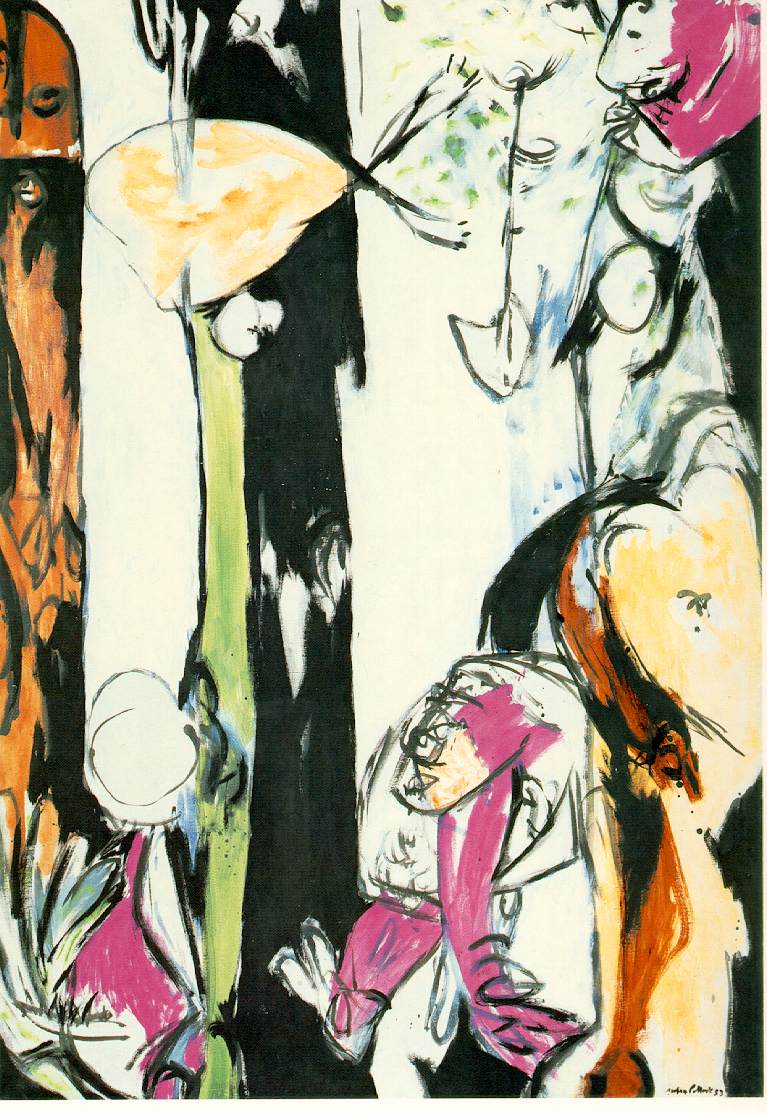
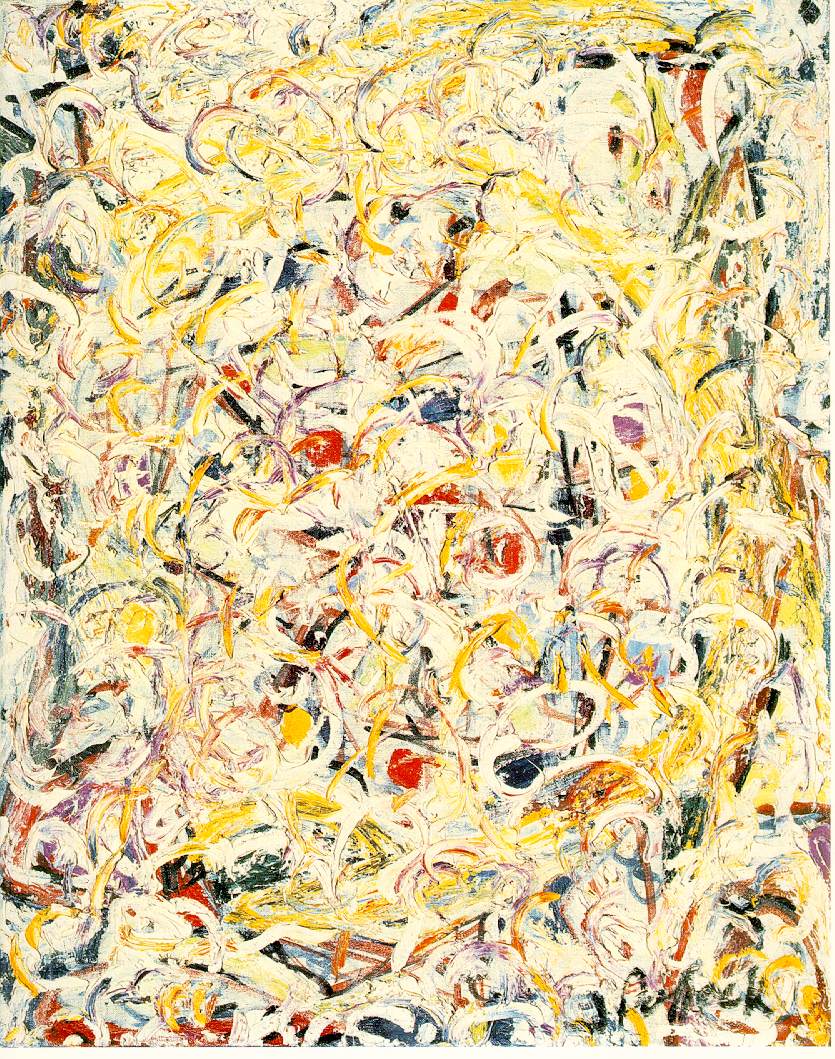
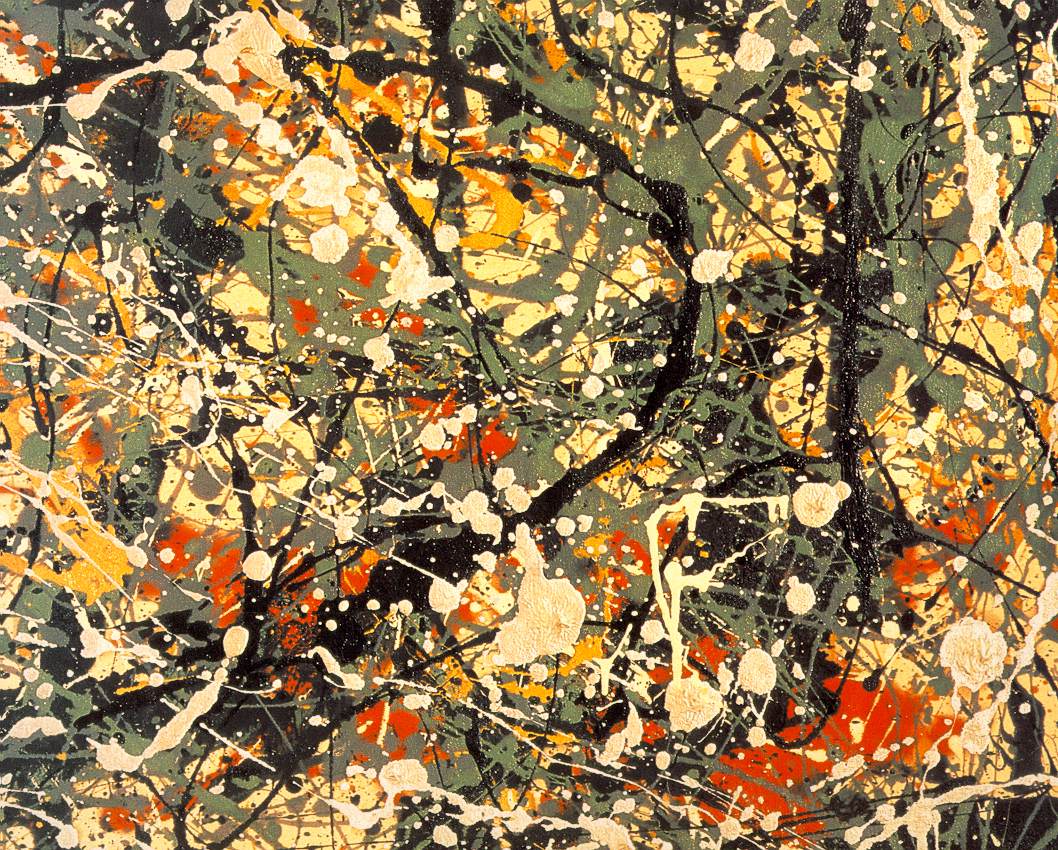
From Theory to Practice
This article explores the ease with which art and literacy goals can be achieved cohesively within the elementary classroom by using integrated units and lessons based on children's literature. "Art and literature are natural companions," states art teacher and author of the article Rita Greco. The diverse literature selections now available for elementary-aged children provide a wonderful starting point for educational endeavors involving all of the content areas. This "is a venture that should not be ignored."
Common Core Standards
This resource has been aligned to the Common Core State Standards for states in which they have been adopted. If a state does not appear in the drop-down, CCSS alignments are forthcoming.
State Standards
This lesson has been aligned to standards in the following states. If a state does not appear in the drop-down, standard alignments are not currently available for that state.
NCTE/IRA National Standards for the English Language Arts
- 1. Students read a wide range of print and nonprint texts to build an understanding of texts, of themselves, and of the cultures of the United States and the world; to acquire new information; to respond to the needs and demands of society and the workplace; and for personal fulfillment. Among these texts are fiction and nonfiction, classic and contemporary works.
- 2. Students read a wide range of literature from many periods in many genres to build an understanding of the many dimensions (e.g., philosophical, ethical, aesthetic) of human experience.
- 4. Students adjust their use of spoken, written, and visual language (e.g., conventions, style, vocabulary) to communicate effectively with a variety of audiences and for different purposes.
- 5. Students employ a wide range of strategies as they write and use different writing process elements appropriately to communicate with different audiences for a variety of purposes.
- 6. Students apply knowledge of language structure, language conventions (e.g., spelling and punctuation), media techniques, figurative language, and genre to create, critique, and discuss print and nonprint texts.
- 8. Students use a variety of technological and information resources (e.g., libraries, databases, computer networks, video) to gather and synthesize information and to create and communicate knowledge.
- 11. Students participate as knowledgeable, reflective, creative, and critical members of a variety of literacy communities.
- 12. Students use spoken, written, and visual language to accomplish their own purposes (e.g., for learning, enjoyment, persuasion, and the exchange of information).
Materials and Technology
- Anna's Art Adventure by Bjorn Sortland; illustrated by Lars Elling (Carolrhoda Books, 1999)
- Computer cart with projector
- Drawing/writing paper
- Easel with chart paper and markers
- Projecting surface (e.g., screen, chalkboard, white board, wall)
- Writing and coloring tools (e.g., pencils, crayons, colored pencils, markers)
Websites
Preparation
| 1. | Set up the computer cart and projector so that students will be able to see the projected pieces of art while working at the same time. |
| 2. | Test the computer's Internet connection, and visit each of the websites listed above to make sure they work. |
| 3. | Gather the materials needed for this lesson, and place them in a central location in the classroom. The main text for this lesson, Anna's Art Adventure, recounts the story of a young girl who, while searching for the bathroom in an art museum, discovers the work of many influential artists, including artist Marcel Duchamp's "Fountain," which is one of his "ready-made" objects—a urinal. Other materials for this lesson include markers, an easel with chart paper, and art/writing supplies for your students. It's also a good idea to have extra paper, pencils, and coloring supplies in an easily accessible area of the room. |
| 4. | Select pieces of artwork to use for modeling of the lesson activities.
|
Student Objectives
Students will
- Develop descriptive writing skills by using adjectives and descriptive phrases
- Identify and describe the artistic elements (i.e., lines, colors, shapes, mood) that are present in a piece of art
- Create an artistic rendition that adheres to the specific artistic elements of an artist's work
Prerequisites
This lesson is based upon the premise that students have had an introduction to basic descriptive writing and to the use of adjectives.
Session 1
Before Reading: Modeling and Guided Practice
| 1. | Pose the following questions to students to begin the lesson:
|
| 2. | Provide students with an overview of the goals or objectives of the lesson. For example, "Today we will be using what we know about describing words to describe some pieces of art. This will help us to see the importance of using precise descriptive language when we write." |
| 3. | Show students a teacher-made drawing or a student's drawing. Introduce the piece with the artist's name and the title of the drawing. [If classroom artwork is not available, drawings from the Web can be shown using the computer cart or as printouts. There are many sites that include collections of children's artwork, such as the Global Children's Art Gallery and The Worldwide Art Gallery.] |
| 4. | Begin by modeling a description of what you see in the selected piece of artwork. For example, you may comment on the shapes, size of objects, coloring, and lines. |
| 5. | After modeling, ask students to describe what they see in the art. |
| 6. | After a few responses, use the following questions to focus students' descriptions on the four artistic elements: color, shape, line, and mood.
|
During Reading
| 7. | Introduce the book Anna's Art Adventure. Provide students with a short picture walk through a few pages, asking them to focus on the artwork that they see. |
| 8. | Read the story aloud, pausing every so often to check student's comprehension of the text and to ask them to make predictions. While reading, you might also draw students' attentions again to the artwork in the book and ask them to comment on what they see. |
After Reading: Guided Practice
| 9. | Review the story with students. Give an overview statement about the artwork in the text and introduce students to the follow-up activity. ("There are many different pieces of artwork in the story, Anna's Art Adventure. Now we're going to look at one painting in the story more carefully.") |
| 10. | Show students the illustration of Jackson Pollock's work in the text, explaining that the illustrator of the book used this example to show readers the kinds of paintings Pollock does. |
| 11. | Use the computer to project an image of one of Pollock's other paintings for students to view. Recommended pieces are mentioned in the Preparation section of this lesson. |
| 12. | Ask students to describe what they see in the painting. After a few responses, focus their descriptions with questions based on the four artistic elements (i.e., color, shape, line, and mood), using questions similar to those used during the Before Reading section of the lesson. |
| 13. | Record their responses on chart paper, the chalkboard, or an overhead projector. (Use whatever medium best suits students' learning in your classroom as well as the set-up of your room.) |
Session 2
Independent Practice
This portion of the lesson can be tailored to fit the needs of individual students in your classroom.
| 1. | Explain to students that they are now going to describe a piece of art on their own. |
||||||||||
| 2. | Model the writing portion of the activity, while giving directions at the same time. Directions are as follows:
|
||||||||||
| 3. | Provide students with writing/art materials, and have them select a piece of artwork to use for the activity. Students can go online to one of the recommended art websites listed in the Preparation section of this lesson or use art texts found in the classroom or school library. |
||||||||||
| 4. | Have students independently create the written description of the art, and then exchange their written description with a partner to work independently on the artistic portion of the exploration. |
Closure
| 5. | Gather students with their partners and have them share their written descriptions and matching artistic renditions. |
| 6. | Use the following series of questions to address and review the importance of precise descriptive language as it pertains to the activity completed:
|
| 7. | Lead students into a broad discussion about descriptive language and its relation to students' everyday writing and reading of literature.
|
Extensions
- Compare and contrast two pieces of art by the same artist or two pieces by different artists using a graphic organizer, such as a Venn diagram.
- Write a comparison and contrast essay on two pieces of art by the same artist or two pieces by different artists. The comparison and contrast guide might be helpful for students to preview before beginning this writing assignment.
- Have students use literature or the Internet to research and read about other artists and view their work.
Suggested literature:
Suggested Web resources:
- Raboff, E. (1988). Art for children series. Garden City, NY: Harper & Row.
- Venezia, M. (1990). Getting to know the world's greatest artists series. Chicago: Children's Press.
(Please note that when searching sites containing catalogs of art, nudes may be part of the collections.)
- Include an art center focused around the work of a certain artist or style (e.g., pop art). Have students further explore this center by creating their own renditions of the art.
- Have students explore some online interactive art activities:
- The Art Institute of Chicago: Families. The link for Art Access includes additional lesson plans and family activities that may be of interest.
- National Gallery for Kids: The Art Zone. Students can use the interactive art tools on this site and then write about their own creations.
- The Metropolitan Museum of Art: MuseumKids. Numerous activities are suggested under the heading "For Kids to Try Right Now."
- Haring Kids. This site offers lesson plans for teachers, and numerous online activities for kids, such as coloring books, e-cards, stories, and so on.
- Museum of Modern Art: Art Safari. On this site, kids go on an art safari and write a story about what they see.
- Doodle Splash. In this online activity, students create artwork to complement a book they are reading. Have students also include a written description to explain how and why their artwork reflects the text.
- The Art Institute of Chicago: Families. The link for Art Access includes additional lesson plans and family activities that may be of interest.
Student Assessment / Reflections
- Observes students' use of precise descriptive language and their descriptions of the artistic elements, and record anecdotal notes based on these observations.
- Assess students' written descriptions using a district or state writing standards rubric.
- Assess the students' artistic recreations using district, state, or national art education standards.
Add new comment