Pedro Albizu Campos leads the Puerto Rican Independence movement.
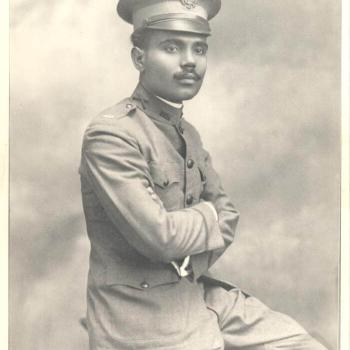
Event Description
Prominent political and social activist was born in Ponce, Puerto Rico on June 29, 1893 or September 12, 1891. After being educated at the University of Vermont and Harvard University and serving in the US military in World War 1, Albizu Campos became interested in the Puerto Rican independence movement, serving as the president of the Nationalist Party from 1930 until his death in 1965.
Among his accomplishments are improved labor conditions in Puerto Rico (Albizu Campos led strikes against the Puerto Rico Railway and Light and Power Company and the US sugar industry) and bringing attention to the problematic colonial relationship between the US and Puerto Rico. His theory of non-collaboration with colonial structures (such as boycotting elections and military service) made him a controversial figure in the US. He was jailed twice and was under FBI surveillance for much of his life.
Called “El Maestro” or “The Teacher” for his powerful speaking ability, Albizu Campos is the namesake of several schools in Puerto Rico, Harlem, and Chicago.
Classroom Activity
Using background information on Pedro Albizu Campos as an example, invite students to investigate the complicated histories of figures from throughout the world associated with nationalist movement. These movements, often related to histories of colonization, assert the interests of one's own nation as separate from the interests of other nations or the larger interests of all nations. Prominent nationalist figures include
Pedro Albizu Campos (Puerto Rico)
Simón Bolívar (South America)
Miguel Hidalgo (Mexico)
Ho Chi Minh (Vietnam)
Nelson Mandela (South Africa)
Mohandas Karamchand Gandhi (India)
Michael Collins (Ireland)
Let students or groups of students choose a figure from this list, or another nationalist figure of their choice. Students can conduct research through print and Internet sources and share their findings with their peers using the Bio-Cube student interactive.
Websites
This biography provides additional information about the life and accomplishments of Pedro Albizu Campos.
This entry from Stanford University provides background information on nationalism, including links to other resources.