Snowflake Bentley illustrator Mary Azarian was born in 1940.
Event Description
Illustrator Mary Azarian won the 1999 Caldecott Medal for Snowflake Bentley, written by Jacqueline Briggs Martin. Azarian is a skilled woodcut artist who is strongly influenced by her love of gardening. You can enjoy additional examples of her work in A Gardener's Alphabet, Farmer's Alphabet, and Barn Cat, written by Carol P. Saul.
Classroom Activity
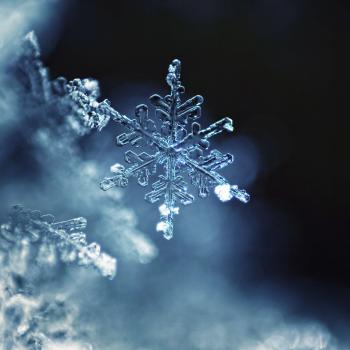
There are ways to bring snow to your students regardless of the weather outside your classroom. If you're fortunate enough to have a supply of snow outside your window, take a mini field trip outside with your students. Have them each hold a piece of black paper to "catch snowflakes" for inspection. Be sure to have magnifying glasses available so students can take an up-close look. Ask students to sketch some of the structures they observe and then compare their drawings to identify both similarities and differences among snowflakes.
If you're located in a warm winter climate, you can still offer a snowflake experience to your students. The SnowCrystals.com website offers a tutorial for Growing Your Own Snow Crystals. (Use caution as this experiment uses dry ice.) These homegrown snow crystals can be closely examined by students using magnifying glasses or microscopes.
Websites
This website provides snow-related data and resources, including images, data sets, articles, and more. Students can use the information found here for activities such as research projects or creating snow quizzes and snow books.
Students can access stunning microscopic images of snow crystals on this page. Connect a study of geometry and art by having students create their own unique snowflake designs.
This website provides an informative look at the science of snow. It suggests experiments and activities, and also offers a snowflake guide and frequently asked snow questions.
This interactive resource allows users to create original snowflakes.