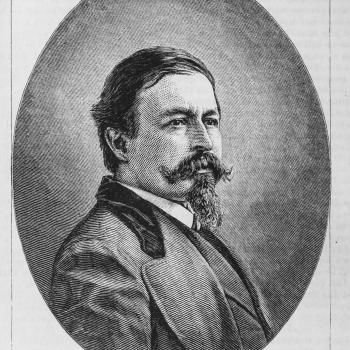
Thomas Nast was born on this day in 1840.
Event Description
Thomas Nast was born on September 27, 1840. He was a 19th- century caricaturist and editorial cartoonist and is considered to be the father of American political cartooning. During the Civil War and Reconstruction era, Nast was well known for his cartoons supporting American Indians, Chinese Americans, and the abolition of slavery. Some of the images and icons he created or popularized include the Republican Party elephant, the Democratic Party donkey, and Uncle Sam.
Classroom Activity
Political cartoons, because of their powerful means of communicating the artists' message, are subject to "freedom of speech" protections. Have students create their own political cartoons after studying First Amendment rights and freedom of speech issues.
- First, explore free speech issues and the First Amendment using resources on this EDSITEment Freedom of Speech Week webpage. Ask students the following: "What constitutes free speech? When does one's freedom of speech become an infringement on another person's rights? How do political cartoonists exercise their first amendment rights?"
- Then, after completing one or more of the lessons below, ask students to comb the newspaper or Internet resources and create a list of current events.
- From this list, have students draw original cartoons using the techniques they've studied.
After students have completed their work, consider having them published in the school newspaper, or share them in the school library.
Websites
This extensive resource on Nast, offered by The Ohio State University, includes a biography, timeline, portfolio of Nast's cartoons, bibliography of works by and about Nast, and a teacher's guide. Also included is an essay titled "The World of Thomas Nast."
EDSITEment offers this collection of lesson plans and other resources on free speech and the First Amendment.
The Library of Congress offers this resource about political cartoons for teachers, including collections of historical political cartoons on American and British topics.
This ReadWriteThink resource links to information about First Amendment issues.