Is a Sentence a Poem?


- Preview |
- Standards |
- Resources & Preparation |
- Instructional Plan |
- Related Resources |
- Comments
Overview
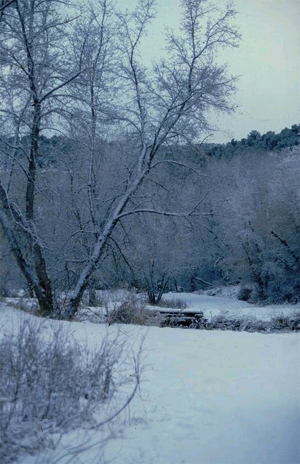
Students are given a picture and asked individually to describe the picture in one sentence of less than twenty words. Afterward, the class analyzes syntax, imagery, and meaning in a chosen one-sentence poem by a canonical author to decide what makes it a poem. Students return to their own descriptive sentence to decide whether it is, is not, or could be a poem, justifying their reasoning. This exercise encourages students to dissect an established poem while defining the characteristics of the genre of poetry. Students then apply their knowledge during reflection upon their own work.
Featured Resources
Interactive Venn Diagram: Students use this online tool to compare and contrast the details of two books, to organize ideas for a compare and contrast essay, and a variety of other compare and contrast activities.
From Theory to Practice
As Albert B. Somers explains that "[W]riting poetry is expressive, much of it is easily based on models and patterns, and the process can be quick and painless and even fun. Let's fact it: writing poems is not like writing essays." (129).
This lesson demonstrates that writing poetry can be not only an opportunity for students to engage in a fun writing experience, but the opportunity to explore the form and structure that are typical of the genre of poetry. Writing poetry and learning about poetry need not be pigeonholed: students can write their own poetry and learn specific literary terms at the same time. The successful teacher, according to Somers, models the process, provides starting places, urges students to choose their own focus point, and, then, helps students polish, phrase, and format their poems (130-131).
Further Reading
Common Core Standards
This resource has been aligned to the Common Core State Standards for states in which they have been adopted. If a state does not appear in the drop-down, CCSS alignments are forthcoming.
State Standards
This lesson has been aligned to standards in the following states. If a state does not appear in the drop-down, standard alignments are not currently available for that state.
NCTE/IRA National Standards for the English Language Arts
- 3. Students apply a wide range of strategies to comprehend, interpret, evaluate, and appreciate texts. They draw on their prior experience, their interactions with other readers and writers, their knowledge of word meaning and of other texts, their word identification strategies, and their understanding of textual features (e.g., sound-letter correspondence, sentence structure, context, graphics).
- 4. Students adjust their use of spoken, written, and visual language (e.g., conventions, style, vocabulary) to communicate effectively with a variety of audiences and for different purposes.
- 5. Students employ a wide range of strategies as they write and use different writing process elements appropriately to communicate with different audiences for a variety of purposes.
- 6. Students apply knowledge of language structure, language conventions (e.g., spelling and punctuation), media techniques, figurative language, and genre to create, critique, and discuss print and nonprint texts.
- 8. Students use a variety of technological and information resources (e.g., libraries, databases, computer networks, video) to gather and synthesize information and to create and communicate knowledge.
- 11. Students participate as knowledgeable, reflective, creative, and critical members of a variety of literacy communities.
- 12. Students use spoken, written, and visual language to accomplish their own purposes (e.g., for learning, enjoyment, persuasion, and the exchange of information).
Materials and Technology
- Internet access on computers with the Flash plug-in installed
- Copies or an overhead of the poem(s) to be discussed
- "The Red Wheelbarrow" by William Carlos Williams, or another one-sentence poem
- One or more of the following images, or an image that you have selected:
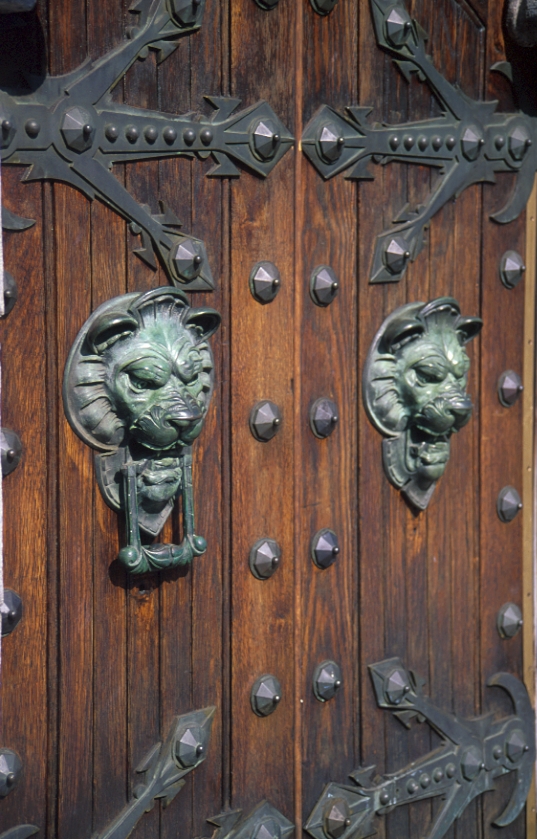
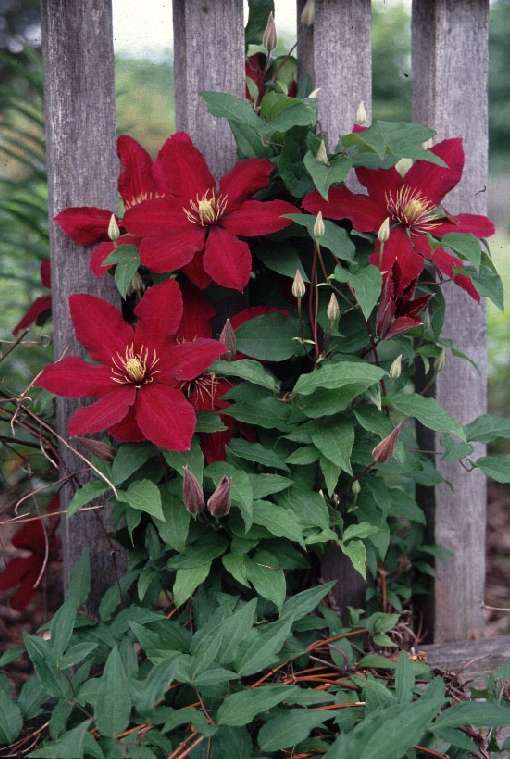

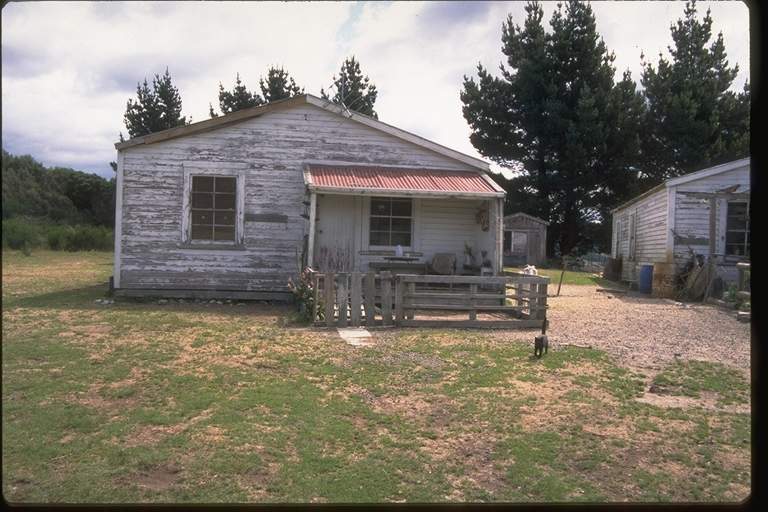
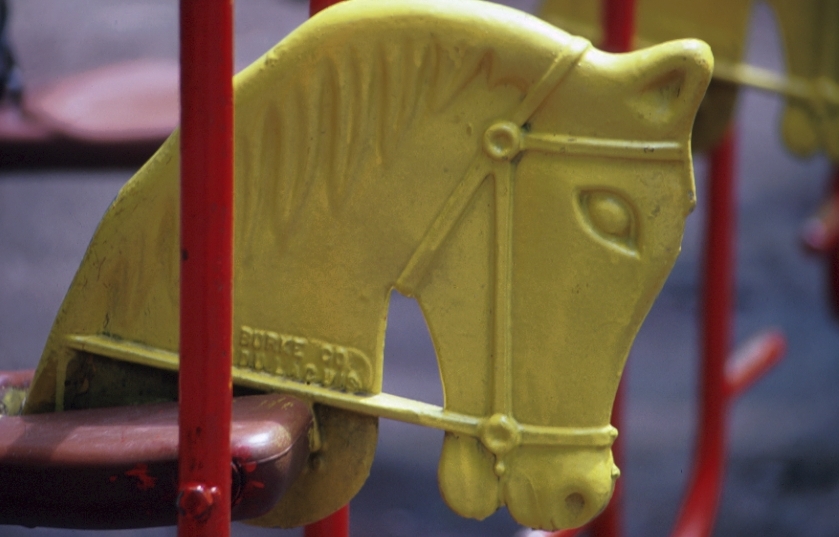

Printouts
Websites
Preparation
- Arrange for computer access. Depending upon the resources available, students can work individually or in small groups. Alternately, you can display images using an overhead LCD projector.
- Test the Interactive Venn Diagram (and if you choose to do the extension, the interactive Stapleless Book) on your computers to familiarize yourself with the tool and ensure that you have the Flash plug-in installed. You can download the plug-in from the technical support page.
- Choose a one-sentence poem by a published author for the class to read and discuss. You could feasibly work with two or three in a class period. Possibilities include the following poems:
- "The Red Wheelbarrow" by William Carlos Williams
- “To—” (“I heed not that my earthly lot”) by Edgar Allan Poe
- “When You Are Old” by William Butler Yeats
- "I like to see it lap the miles" (#585) or “Pass to thy Rendezvous of Light” (#1564) by Emily Dickinson
- "Bright Star" by John Keats
- '"The New Dog" by Linda Pastan
- “Epitaph” by Thomas Morton
- “If thou wouldst Roses Scent” by Frances Daniel Pastorius
- “The Horses at the Tank,” “Love Poem,” or “Taking the Hand” by Robert Bly
- “The Sentence” and/or “The Skeleton” by Robert Creeley
- "The Red Wheelbarrow" by William Carlos Williams
- Choose one or more of the online images in the Materials and Technology section to share with students, or choose images of your own. You could use photographs or illustrations that you have on hand or choose images from a free photo site such as FreeFoto. Alternately, you could allow students to search for their own image; however, be sure to explore any resources ahead of time to ensure that students will not access images which are not appropriate for your classroom.
- Familiarize yourself with the poem and its critical acceptance so that you're prepared to discuss why the piece is a poem. You might explore such questions such as whether the poem is widely known, and how often it is taught or read.
- View and bookmark the Wikipedia entry on the word poetry.
- Make copies of the A Sentence as a Poem handout.
Student Objectives
Students will
- analyze a one-sentence poem to develop a working definition of poetry.
- apply the working definition to their creative work.
- justify critically assertions regarding their classification of their creative work.
Instruction & Activities
- Have students view the image that you've chosen and write a sentence of less than 20 words describing the picture. You can have students choose which picture to describe or pass out pictures to the class, ensuring a wide range of difference is represented in the class. You may, of course, also use only one picture for the entire class.
- Students should set their sentences aside as you begin a discussion of poetry.
- Lead a class discussion that focuses on the following questions:
- What is a poem?
- What makes a poem a poem?
- Does a poem have a certain look, length, feel, purpose?
Compile students' responses on the board or on chart paper, so that they can return to the information later in the lesson. - What is a poem?
- Have students compare their definitions with those in Wikipedia entry on the word poetry.
- Read the chosen one-sentence poem. Lead a class discussion that focuses on the following questions:
- What are the poem-like qualities in this piece?
- Is it a poem (take a vote if necessary)?
- What makes it/ does not make it a poem?
- What are the poem-like qualities in this piece?
- Using the Interactive Venn Diagram chart out students' observations about what makes a poem and what makes a sentence. Optionally, you can use the Venn Diagram to explore the features of the particular poem that you've chosen.
- Have students return to the sentence/poem that they wrote at the beginning of the session, and complete the A Sentence as a Poem handout, revising and formatting their sentences into a poems. Alternatively, this step can be completed as homework or a journal entry.
- If time allows, ask for volunteers to share their sentences/poems and reflections.
Extensions
- Individual students can publish their sentence poems using the interactive Stapleless Book.
- Collect the sentence poems and publish them as a special insert to the school newspaper or create a class chapbook for students by following the instructions at the Creating a Chapbook page. Sites which provide additional information on chapbooks are linked in the Resources section.
Student Assessment / Reflections
As with any creative writing activity, assessment needs to be open-ended. Phrase comments as questions so as not to discourage students from future creative attempts. Instead of commenting, “This simile doesn’t really work,” write, “How could this simile work better in the poem?” or “Is there a simile that is even more specific and unique?” If you choose to grade the sentence poems, do so based on what students have learned about poetry. Did they include figurative language and descriptors? Did they justify themselves well when answering whether their sentence was a poem?
Another option is to have students individually write their definition of poem before beginning the activity, have them repeat the process after the activity, and grade the final definition, comparing it, of course, to their first definition. Did the student’s definition change? Was this for the better? Did the final definition include ideas discussed during the activity?
Add new comment