From Verse to Visual: Translating Poetry into Comics
- Preview |
- Resources & Preparation |
- Instructional Plan |
- Related Resources |
- Standards
Overview
Students explore the creative process of translating between poetry and comics in both directions. Using Jason Reynolds’s Long Way Down (verse novel and graphic novel adaptation) as a mentor text, students first see how poetry can be transformed into a visual comic format. Then, using Mona Hanna’s story from Great Immigrants, Great Americans—or another immigrant story from the same anthology—they will reverse the process, adapting a comic into an original poem. This approach builds visual literacy and poetic craft, and it deepens understanding of how meaning shifts across modes.
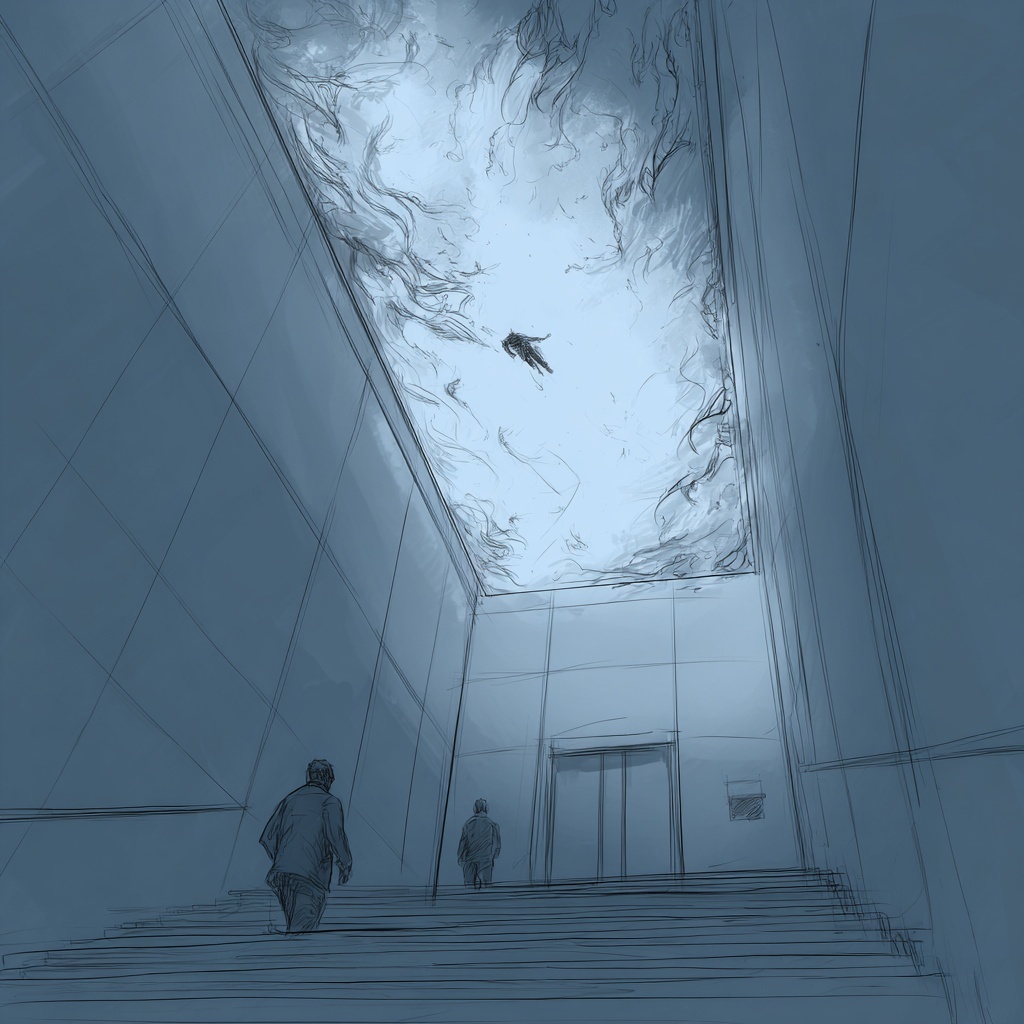
In this lesson, students engage with two creative transformations: Poetry to Comic and Comic to Poetry. First, they closely read a passage from Jason Reynolds’s Long Way Down in its verse novel form; then, they examine the same passage in its graphic novel adaptation. They then analyze how imagery, tone, and pacing are visually represented in comics.
Next, students read Mona Hanna’s story from Great Immigrants, Great Americans (or another selected story from the anthology) and adapt it into an original poem. Through this process, students will gain insight into how creators make interpretive decisions when shifting between text and image. They will decide on methods and processes that they need from the comics examples to distill the essential parts of Hanna’s narrative.
Featured Resources
- Jason Reynolds’s Long Way Down (verse novel and graphic novel adaptation)
- Mona Hanna’s story from Great Immigrants, Great Americans (pages 6–7)
- Poem-to-Comic Graphic Organizer (included)
- Comic-to-Poem Graphic Organizer (included)
- Digital or hand-drawn comic creation tools
- Comics in the Classroom as an Introduction to Narrative Structure (ReadWriteThink)
- Speaking Poetry: Exploring Sonic Patterns Through Performance (ReadWriteThink)
Materials and Technology
- Copies of selected Jason Reynolds’s verse (print or digital)
- Markers, pens, paper, or digital comic tools (e.g., Pixton, Canva, Book Creator)
- Whiteboard or shared document for group modeling
- Optional: projectable excerpts from the verse text
Printouts
- Close-Reading Notes template
- Poem-to-Comic Graphic Organizer
- Comic-to-Poem Graphic Organizer
- Comic Letter Planning Template
- Student Comic rubric
Websites
Provides access to Reynolds’s published works, interviews, and teaching resources.
Includes lesson ideas, interviews, and selected readings curated by the Library of Congress.
A student-friendly platform for digital comic creation.
An anthology of classic poems paired with comics form to serve as an additional example.
Preparation
- Select and excerpt a short passage from Long Way Down and the corresponding pages in the graphic novel.
- Prepare printed or digital copies of Mona Hanna’s story (pages 6–7 of Great Immigrants, Great Americans) and at least one other story for student choice.
- Print all templates and organizers.
- Prepare a teacher model showing a short poem transformed into comic panels.
- Prepare a teacher model showing a comic page adapted into poetry.
Downloadable Resources
Student Objectives
Students will:
- closely read poetry with attention to mood, imagery, and tone.
- analyze a poetic text and its comic adaptation.
- create a comic that reflects the meaning of a poem.
- interpret a comic narrative and adapt it into poetry.
- reflect on the creative and interpretive process in both directions.
Session Introduction and Activities
(Session One)
- Introduce Jason Reynolds and Long Way Down.
- Read aloud the selected poem excerpt from the verse novel.
- Show the corresponding passage in the graphic novel adaptation.
- Discuss: How were tone, imagery, and pacing translated into visual form?
- Complete the Poem-to-Comic Graphic Organizer in pairs.
Teacher Model: Show an example of a short poem you’ve turned into a four-panel comic. Highlight choices in panel composition, character expression, and symbolic imagery.
(Session Two)
- Students finalize their Poem-to-Comic storyboards.
- Introduce Mona Hanna’s story from Great Immigrants, Great Americans.
- Read the comic closely, noting imagery, emotion, and key narrative beats.
- Begin using the Comic-to-Poem Graphic Organizer to draft a poem.
Teacher Model: Show an example of a single comic panel rewritten as a stanza of poetry. Discuss how you chose details, voice, and rhythm to capture the panel’s meaning. To engage in poetry, students will have to decide on the words from Hanna’s story that are most impactful. To engage in comics creating, they will have to decide on how to symbolize/present ideas using images.
(Session Three)
- Students complete their poems.
- Peer-share and revise.
- Reflect: Which process felt more challenging—Poetry to Comic or Comic to Poetry? Why?
- Optional: Publish in a class anthology or display.
Extensions
- Create an audio-visual version of the comic using digital storytelling tools.
- Pair with visual poetry by other artists and have students compare styles.
- Submit finished comics to a school zine, literary magazine, or local exhibition.
From Theory to Practice
This lesson draws on reader-response theory and visual literacy practices. Students actively construct meaning by imagining the world behind poetic language and rendering it visually. It also honors multiliteracies, recognizing that meaning is conveyed through multiple modes—written, visual, and spatial (National Council of Teachers of English, 2005).
Work Cited
National Council of Teachers of English. (2005). Position statement on multimodal literacies.
Student Assessment / Reflections
- Rubric assesses interpretation, creativity, alignment with tone/theme, and clarity.
- Artist’s or poet’s statement may explain creative choices.
- Reflection question: How did this project change how you think about the relationship between words and images?
Instructional Plan
Related Resources
Standards
A complete listing of the standards can be found here.
2. Students read a wide range of literature from many periods and genres.
5. Students employ a wide range of strategies as they write and use different writing process elements appropriately to communicate with different audiences.
12. Students use spoken, written, and visual language to accomplish their own purposes (e.g., for learning, enjoyment, persuasion, and the exchange of information).