Lee, Russell. Blueberry pickers' home, near Little Fork, Minnesota. 1937. Photograph. Library of Congress Prints and Photographs Division. https://www.loc.gov/item/2017735626/.
Students will hear the story Blueberries for Sal. After listening to the story, they will be shown the photograph of an Anishinaabe girl inside a blueberry tent. Students will be prompted to make comparisons between the girl in the photo and Sal and her mother. Through this discussion, students will learn that blueberry picking is enjoyable and can help ensure food for the winter. They will also learn that blueberry picking has an added significance for Native Americans. After the discussion, students will reflect on their own experiences getting food with their families, draw a picture of one of those places, and share the picture and their story with their classmates. By the end of the lesson, students will learn that gathering food can help families bond.
Despite the US government’s pressure to assimilate Anishinaabe through boarding schools, allotment, etc., some Anishinaabe continued the tradition of setting up summer camp for blueberry picking on land that the government said was no longer theirs. As tribes such as the Bois Forte are reclaiming stolen lands, they are creating opportunities to restore these traditions.
Source: https://www.nps.gov/articles/mwac-voya.htm
- What do you see in the photograph?
- How do you think the girl is feeling? What makes you think that?
- Why might some people, such as the girl in the photograph, stay in a tent near a blueberry field during blueberry season?
ELA Standard
0.2.6.1. Tell a story about a personal experience or that of a character, verbally, visually, or in written form.
Social Studies Standard
K.3.17.1. Create a representation of a favorite place. Explain why it is important to them and how it makes them feel.
Students read a wide range of print and non-print texts to build an understanding of texts, of themselves, and of the cultures of the United States and the world; to acquire new information; to respond to the needs and demands of society and the workplace; and for personal fulfillment. Among these texts are fiction and nonfiction, classic and contemporary works.
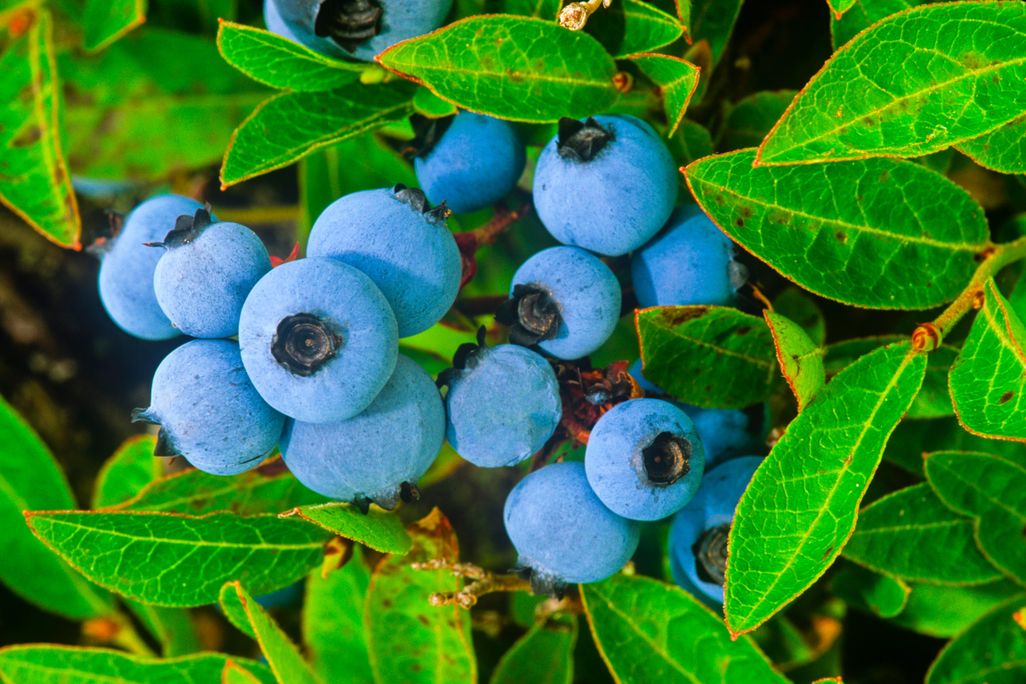
- Project an image of blueberries. Ask students if any of them have picked berries before and to share their experiences.
- Inform students that they will be learning why berry picking is an enjoyable and valuable rural pastime.
- Tell students that they will be listening to Blueberries for Sal. Prompt them to think about why blueberry picking is important for Sal and her mom. If possible, bring blueberries for students to snack on while listening to the story.
- Read aloud Blueberries for Sal.
- When the book is finished, ask students why blueberry picking was important for Sal and her mom.
- Then, ask students how blueberry picking made Sal feel. Prompt them to support their responses with details (textual or visual). Next, ask them how blueberry picking made her mom feel.
- Project the image of an Anishinaabe blueberry picker in her tent. Ask students, How does the girl in the photograph feel about being in this place? How can you tell?
- Ask students, What do you notice that’s different about the location of this picture compared to the location of the book? If needed, guide students to focus on the tent.
- Ask students:
- How long do you think Sal and her mother picked berries?
- Do you think the girl in the photograph’s family picked blueberries longer than Sal’s family? What makes you think that?
- Why do you think the girl in the photograph’s family picked blueberries for so long? (Steer the conversation so it focuses on the importance of blueberries for Anishinaabe. Mention that many families would camp by the blueberry fields together.)
- Why is berry picking a tradition for many families in rural communities?
- How does gathering food bring families and communities together?
- Ask students: Think of a time when you went to a field, garden, or somewhere special to get food with your family. Can you imagine what that place looks like?
- Prompt students to say the name of the location out loud. Tell them that you are going to give them a piece of paper where they will draw that picture to help them tell the story of that day.
- Distribute a sheet of paper to each student that has the following written on the bottom: “When I’m here, I feel ______.” They will complete the sentence at the end of the lesson.
- On the sheet of paper, have students draw a picture of the location of their story.
- When students have finished drawing their pictures, have them present to the class by showing their picture and telling their story.
- Exit slip: On the line on the bottom of their sheets, have students draw an emoji to represent how they feel when they are at that place.
- Extension opportunities:
- Have students taste-test canned blueberries and dried blueberries. Through this, they can compare the preservation method Sal’s mom used to the traditional method used by Anishinaabe. Ask students which ones they like better, and which method would work best for making different foods.
- Read other food-gathering stories to students, such as ones about wild rice or Watercress by Andrea Wang.
- Have students practice sequencing events in stories through the Read-Write-Think lesson Collaborating on a Class Book: Exploring Before-During-After Sequences.
Lee, Russell. Interior of blueberry pickers' tent, near Little Fork, Minnesota. 1937. Photograph. Library of Congress Prints and Photographs Division. https://www.loc.gov/item/2017735628/.