Lee, Russell. Old root cellar on farm near Northome, Minnesota. 1937. Photograph. Library of Congress Prints and Photographs Division. https://www.loc.gov/item/2017736051/.
After activating prior knowledge about root vegetables, students will examine the photograph in conjunction with an interior photograph. Through this, they will learn how the materials and design of the root cellar allowed farmers to have fresh produce in the winter. They will also look at several varieties of root cellars. Next, they will use ideas from the Library of Congress’s source and the others to inspire their own idea for a root cellar, which they’ll create a diagram of and share with their classmates. By the end of the lesson, students will understand how valuable root cellars were and why many people still have them today.
Before refrigeration, rural farmers prevented food waste and shortages by using their available resources to make root cellars. With the increased focus on shrinking carbon footprints, Earth-friendly food storage methods such as root cellars, can be one method of shrinking our impact on the environment.
- What are the characteristics of a root cellar?
- Which of these characteristics can you see in the photo?
- Extension Questions:
- How do root cellars keep food fresh?
- Why might people still use root cellars today?
ELA Standard
1.3.3.1. Create written, oral and digital content that communicates knowledge and ideas in a variety of presentation styles.
Science Standard
1P.4.2.2.1. Communicate solutions that use materials to provide shelter, food, or warmth needs for communities including Minnesota American Indian Tribes and communities.
Students use spoken, written, and visual language to accomplish their own purposes (e.g., for learning, enjoyment, persuasion, and the exchange of information).
- Pass around root vegetables and ask students what they know about them and how they’re grown. Also ask them how their families store them. Tell students that they will be learning about one storage method: root cellars.
- Inform students that root cellars were often used so people could have fresh produce in the winter. Some people still use root cellars because they can be more effective than refrigerators and allow people to be less dependent on grocery stores and electricity. This is important in rural areas where the nearest grocery store might be an hour away or power outages might last for days.
- Show the picture of the root cellar and a picture of the interior of a traditional root cellar. Guide a whole-class discussion by asking these questions:
- What materials are the structures made of?
- What do you notice about their structure?
- Root vegetables are kept fresh in cool, dark, and moist environments. What about these root cellars’ designs might make them have those qualities?
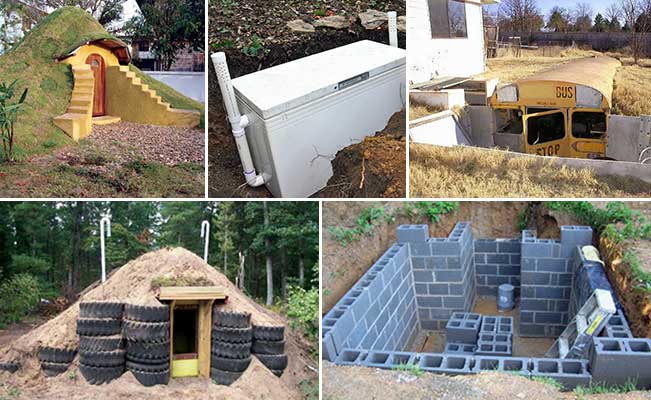
- Inform students that there are other types of root cellars. Display and discuss the materials and designs of each of the cellars in this photo. Also ask students why root cellars are more common in rural areas than cities.
- Have students design a root cellar they would like to have and create a diagram of it. The picture should include and label:
- Materials used
- Different structural elements (e.g., door, shelves, vent, etc.)
- Food stored in it
- Have students present their ideas to the class
- Exit slip: Write or draw one thing that you learned about root cellars today.
- Extension opportunities:
- Have students visit a local farm that has a root cellar.
- Build a mini root cellar using a clear plastic container with a lid, soil, and a few small carrots or potatoes. Have students help layer the soil and vegetables. Put a lid on it and store it in a cool, dark spot in the room. Also store carrots or potatoes in a fridge and in the open. Regularly compare the vegetables to see which method is the most effective.
- Have students compare the nutritional value of fresh vegetables to canned vegetables by modifying the Read-Write-Think lesson Inspire Healthful Reading Using Unconventional Texts.
Historic American Buildings Survey. Leesburg Townsite, Root Cellar, Napias Creek, Salmon, Lemhi County, ID. 1933. Photograph. Library of Congress Prints and Photographs Division. https://www.loc.gov/item/id0197/.