Argues that elementary language-arts teachers should expand their definition of "text" to include film, a valuable instructional material. Notes that today's elementary students come to class with a great deal of knowledge about films--prior experiences which teachers can tap into. Discusses the application to film of reader-response theories.
Let's Go to the Movies: Rethinking the Role of Film in the Elementary Classroom
Different Texts, Different Emergent Writing Forms
Examines young children's ability to vary the forms of emergent writing as they wrote a story, a shopping list, and a letter to a friend at three different times during the school year. Finds that children apply their emergent knowledge about written language differently. Indicates a considerable mismatch between written products and knowledge of genre characteristics.
Nonfiction Inquiry: Using Real Reading and Writing to Explore the World
Nonfiction is the genre most likely to spur children's passion and wonder for learning. This article discusses way to motivate children to read nonfiction.

Language and Literacy: The Poetry Connection
Offers a conceptual framework for building language awareness through the reading of poetry, encouraging children to reflect on language in interesting and powerful ways. Provides an instructional model for constructing literature-based experiences in the classroom.
Standards for the English Language Arts
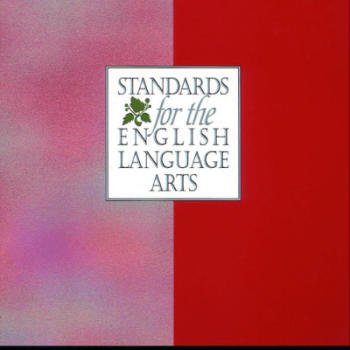
Standards for the English Language Arts presents a vision of literacy education that encompasses the use of print, oral, and visual language and addresses six interrelated English language arts: reading, writing, speaking, listening, viewing, and visually representing.
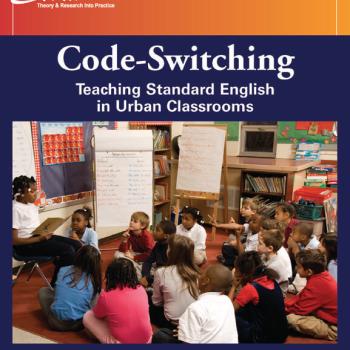
Code-Switching: Teaching Standard English in Urban Classrooms
Wheeler and Swords show K–6 teachers how to use code-switching and contrastive analysis to help students use prior knowledge to translate vernacular English into Standard English.
Grammar Alive!: A Guide for Teachers
NCTE's Assembly for the Teaching of English Grammar provides this much-needed resource for teachers who wonder what to do about grammar—how to teach it, how to apply it, how to learn what they themselves were never taught.
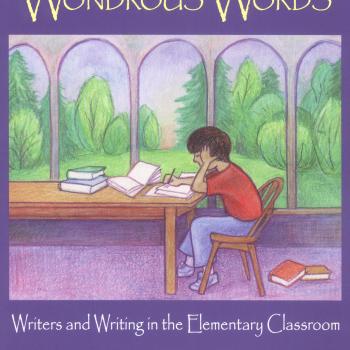
Wondrous Words: Writers and Writing in the Elementary Classroom
Katie Wood Ray explains in practical terms the theoretical underpinnings of how elementary and middle school students learn to write from their reading.
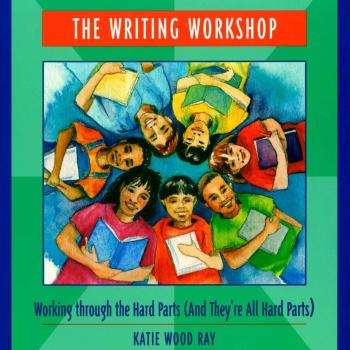
The Writing Workshop: Working through the Hard Parts (And They're All Hard Parts)
A practical, comprehensive, and illuminating guide for both new and experienced teachers that confronts the challenges of the writing workshop head-on.

The Day Jimmy's Boa Taught Cause and Effect
This lesson introduces the concept of cause and effect with Trinka Hakes Noble's books about Jimmy and his boa constrictor.

Creative Problem-Solving with Ezra Jack Keats
Using books by Ezra Jack Keats as inspiration, students explore problems and solutions through read-alouds, discussion, and an interactive bulletin board.

Theme Poems: Using the Five Senses
Students write theme poems in a flash using the picture book Flicker Flash by Joan Bransfield Graham and the online, interactive Theme Poems tool.

Four Simple Steps to Small-Group Guided Writing
Students will go batty about the three writing strategies they learn in this lesson centered on Nicola Davies' Bat Loves the Night.
Using Songwriting to Build Awareness of Beginning Letter Sounds
"Bessie bird lives in a barn" in this lesson in which students create alliterative animal songs to help them learn letter names and consonant sounds and build phonemic awareness.
A-Hunting We Will Go: Teaching Rhyming Through Musical Verse
Adapting the song "A-Hunting We Will Go," students put a whale in a pail and even "take a little bear and hug it if we dare."
The Big Green Monster Teaches Phonics in Reading and Writing
A big green monster helps students build their reading fluency and word recognition skills through choral reading, literacy center activities, and writing stories.
Teaching Audience Through Interactive Writing
Through interactive writing, students work together and then independently to create invitation letters for a group of their peers and their families.

Catching the Bug for Reading Through Interactive Read-Alouds
Students learn about story structure, new vocabulary, and a variety of reading strategies by participating in an interactive read-aloud of Miss Bindergarten Stays Home From Kindergarten by Joseph Slate.

Let's Build a Snowman
In this lesson, students use both fiction and nonfiction texts, the Internet, and a K-W-L chart to learn about how animals survive the winter.

Spelling Cheerleading: Integrating Movement and Spelling Generalizations
"2-4-6-8, students will be spelling great" in this lesson that teaches the y rule for adding suffixes through cheering the spelling of words aloud, word sorts, and writing stories.