This step-by-step literature response template for use with read-alouds asks students to use drawing and writing to respond to increasingly-complex prompts which address literary elements as well as personal connections.

Literature Response in Primary Classrooms
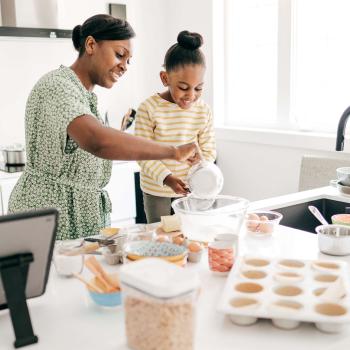
A Recipe for Writing: Fairy Tale Feasts
After examining recipes written based on students' favorite fairy tales, students research a recipe related to their favorite story, book, or fairy tale and include it in a classroom recipe book.

Boars and Baseball: Making Connections
In this lesson, students will make text-to-self, text-to-text, and text-to-world connections after reading In the Year of the Boar and Jackie Robinson. After sharing and discussing connections, students choose and plan a project that makes a personal connection to the text.

Vocabulary Solutions: A Mixture of Science, Conversation, and Writing
In this lesson, students conduct a science experiment and later discuss the events of the lab during shared writing. Students explain the procedure in their own words and then revise to include content specific vocabulary. Finally, students reflect on new words added to their writing using the Trading Card Creator interactive.

Using Collaborative Reasoning to Support Critical Thinking
Students will participate in Collaborative Reasoning in small groups to discuss and think critically about issues of social justice and diversity by reading current events informational articles.
Writing Acrostic Poems with Thematically Related Texts in the Content Areas
Students read thematically related texts, scaffolded from simple to complex, to help them gather necessary concept vocabulary and background knowledge in a content area. They then write acrostic poems to organize and present their learning in a creative way.
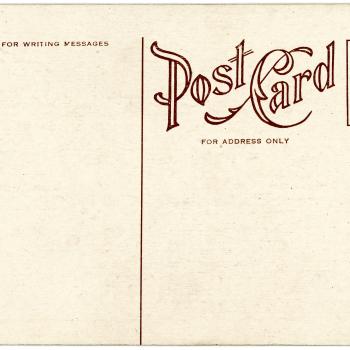
Book Report Alternative: Creating Postcards for Fictional Settings
In this alternative to the traditional book report, students report on their novel choices that feature journeys by creating postcards one of the settings featured in their books.

Captioning the Civil Rights Movement: Reading the Images, Writing the Words
Teachers guide students to carefully view images from the Civil Rights Movement and write captions that accurately describe the images and/or their probable purposes.

Picture This: Using Instagram to Report
After taking a field trip that students document using mobile app Instagram, students become new reporters as they use the interactive Printing Press to tell about their experiences.

Learning about Clouds with Haikus
Using a mobile app or Interactive activity, students write haikus describing various types of clouds that they have studied.

A-B-C: It's Easy as 1-2-3 to Make Math Alphabet Books
Using the Alphabet Organizer app, students create alphabet books to review math terms.
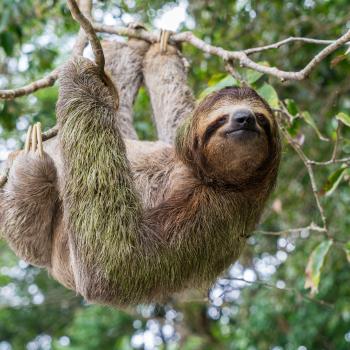
Investigating Animals: Using Nonfiction for Inquiry-based Research
Inspired by their curiosity about animals, students work together to research an animal of their choice and present the information they gather to an authentic audience.
Adventures in Nonfiction: A Guided Inquiry Journey
Students are guided through an informal exploration of nonfiction texts and child-oriented Websites, learning browsing and skimming techniques for the purpose of gathering interesting information.
Research Building Blocks: "Organize This!"
In this minilesson, students organize information they compile while doing research for a written report on a selected topic.
Charlotte is Wise, Patient, and Caring: Adjectives and Character Traits
Students find examples of adjectives in a shared reading. Then students "become" major characters in a book and describe themselves and other characters, using powerful adjectives.
A Getting-Acquainted Activity Using My Teacher's Secret Life
Students build classroom community as they get to know each other and their teacher better by sharing what they like to do outside school.
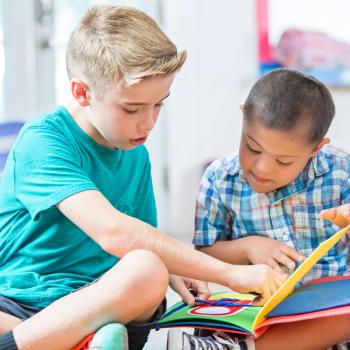
Book Buddy Biographies: Intermediate and Primary Students Working Together
Students create a personalized biography for their reading buddy, and each child is the author, illustrator, and editor.
Research Building Blocks: "Cite Those Sources!"
Students learn the importance of crediting others for their words and ideas, and then learn the paraphrasing and citation skills necessary to avoid plagiarism.

Research Building Blocks: Skim, Scan, and Scroll
In this lesson from a research skills unit, students read informational text, looking for supporting details. They practice skimming and scanning print resources, and scrolling through electronic resources.

Myth and Truth: Independence Day
By exploring myths and truths surrounding Independence Day, students think critically about commonly believed stories regarding the beginning of the Revolutionary War and the Independence Day holiday.