ReadWriteThink - Powered by NCTE
  • About
  • Classroom Resources
    • Lesson Plans
    • Teaching Comics
    • Teaching With Primary Resources
    • Calendar
    • Printouts
    • Student Interactives
  • Collections
    • Assessment
    • Authors
    • Booklists
    • Media Literacy
    • Poetry
    • Primary Sources
    • Writing
  • Professional Development
    • Strategy Guides
    • Professional Library
    • Meetings & Events
  • Join NCTE
  • Contact Us
  • About
  • Classroom Resources
    • Lesson Plans
    • Teaching Comics
    • Teaching With Primary Resources
    • Calendar
    • Printouts
    • Student Interactives
  • Collections
    • Assessment
    • Authors
    • Booklists
    • Media Literacy
    • Poetry
    • Primary Sources
    • Writing
  • Professional Development
    • Strategy Guides
    • Professional Library
    • Meetings & Events
  • Join NCTE
  • Contact Us
  • Facebook
  • Twitter
  • Instagram
  • Pinterest
  • YouTube

Breadcrumb

  1. Home

Type

  • Classroom Resources
  • Professional Development

Grades

  • 1 (16)
  • 2 (17)
  • 3 (16)
  • 4 (16)
  • 5 (17)
  • 6 (14)
  • 7 (13)
  • 8 (13)
  • 9 (7)
  • 10 (6)
  • 11 (6)
  • 12 (6)
  • (-) K (15)

Learning Objectives

  • (-) Comprehension (15)
  • collaboration (12)
  • critical thinking (14)
  • digital literacy (2)
  • inquiry / research (24)
  • listening (4)
  • literary analysis (3)
  • Media literacy (1)
  • metacognition (4)
  • multicultural awareness (1)
  • multimodal literacy (6)
  • oral communication (6)
  • print awareness (4)
  • reading fluency (1)
  • reading genres (11)
  • Spelling (1)
  • text structure / story structure (7)
  • Vocabulary (11)
  • writing genres (5)
  • writing process (10)

Topics

  • (-) science
  • community
  • drama
  • ELL
  • Family
  • fiction
  • Mathematics
  • Mobile Learning
  • nonfiction
  • poetry
  • seasons / holidays
  • social action
  • social studies / history
  • STEM
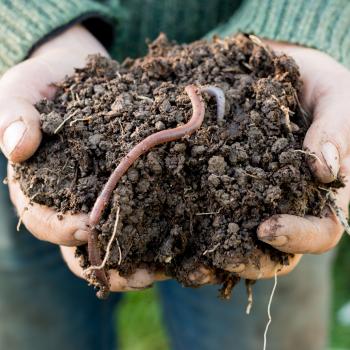
Digging Up Details on Worms: Using the Language of Science in an Inquiry Study
Grades
K - 2
|
Lesson Plan
|
Standard Lesson
Digging Up Details on Worms: Using the Language of Science in an Inquiry Study
This lesson, in which students research worms in order to create a classroom habitat, incorporates reading and writing across content areas as well as math and science activities.
Grades
K - 2
|
Lesson Plan
|
Standard Lesson
Animal Study: From Fiction to Facts
Students listen to fiction and nonfiction read-alouds and explore selected Websites to identify factual information about animals. This lesson focuses on ants, but can be adapted to any animal.
Using Word Walls to Develop and Maintain Academic Vocabulary
Grades
Grades
K - 12
|
Strategy Guide
Using Word Walls to Develop and Maintain Academic Vocabulary
In this guide, you will learn how to use Word Walls to support vocabulary development and retention.

Grades
K - 2
|
Lesson Plan
|
Standard Lesson
Four Simple Steps to Small-Group Guided Writing
Students will go batty about the three writing strategies they learn in this lesson centered on Nicola Davies' Bat Loves the Night.
Weather: A Journey in Nonfiction
Grades
K - 2
|
Lesson Plan
|
Unit
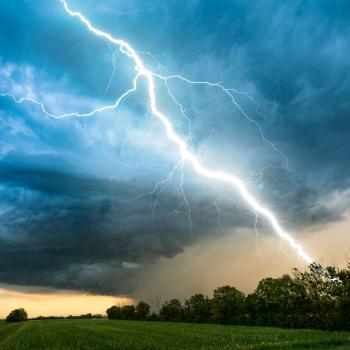
Weather: A Journey in Nonfiction
Questions about weather clear up when students use what they learned from their books to create a presentation to share with the rest of the class.
Grades
K - 2
|
Lesson Plan
|
Standard Lesson
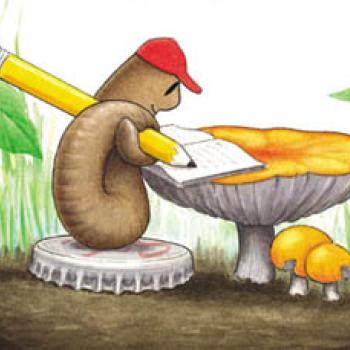
Fact or Fiction: Learning About Worms Using Diary of a Worm
Students often believe that fiction writers make everything up, seldom realizing how research worms its way into entertaining writing. In this lesson, students read Diary of a Worm to find out how fact merges with fiction.
Predicting and Gathering Information With Nonfiction Texts
Grades
K - 2
|
Lesson Plan
|
Unit
Predicting and Gathering Information With Nonfiction Texts
Students take a walk on the wild side when they develop an understanding of nonfiction texts with hands-on experiences and intense analysis.

Combining Read-Alouds With Economics in the Primary Grades
Grades
K - 2
|
Lesson Plan
|
Standard Lesson
Combining Read-Alouds With Economics in the Primary Grades
Students learn that what you read in books can really add up when they analyze literary texts for economic concepts.
Reading and Writing About Whales Using Fiction and Nonfiction Texts
Grades
K - 2
|
Lesson Plan
|
Unit
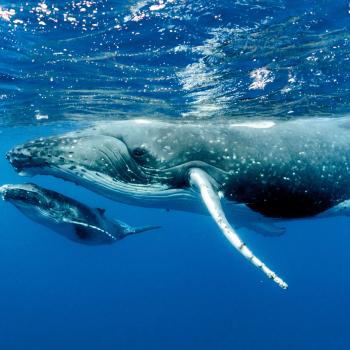
Reading and Writing About Whales Using Fiction and Nonfiction Texts
Students will have a whale of a good time in this lesson in which they use fiction and nonfiction texts to write a letter to an online scientist.
Grades
K - 2
|
Lesson Plan
|
Standard Lesson
Reading Informational Texts Using the 3-2-1 Strategy
Students can count on using the 3-2-1 strategy to help them successfully comprehend and write about an informational text.

Blast Off! Vocabulary Instruction Using a Virtual Moon Trip
Grades
K - 2
|
Lesson Plan
|
Standard Lesson
Blast Off! Vocabulary Instruction Using a Virtual Moon Trip
3, 2, 1... Blast off! Students learn new vocabulary by taking a virtual field trip to the moon, read-alouds, creating a picture dictionary, and completing a final writing activity.
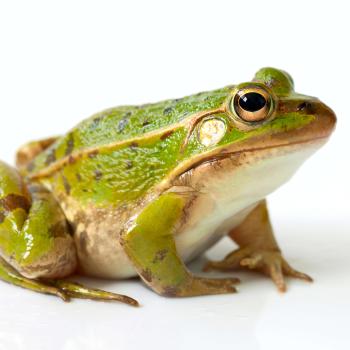
The Frog Beyond the Fairy Tale Character: Searching Informational Texts
Grades
K - 2
|
Lesson Plan
|
Standard Lesson
The Frog Beyond the Fairy Tale Character: Searching Informational Texts
Frogs often appear as the main character in fiction stories, but what do students really know about frogs? Students find out in this lesson in which they research real-life frogs.

Grades
K - 2
|
Blast Off to Learn New Words

Boost vocabulary by taking an imaginary trip into space. After a lunar "landing," children return to Earth with a galaxy of new words.

Grades
K - 6
|
The Natural World as Inspiration: An Outdoor Art Show

Children incorporate materials from outdoors with paints or crayons to create pieces of art to display on their clotheslines, fences, or porches for a neighborhood art show.
Grades
K - 8
|
Let's Go On A Poetry Walk!

The sun is shining, the birds are chirping, and you're surrounded by brilliant shades of green! Observe and collect sensory images from nature and use the sights, sounds, smells, and textures to create original nature poetry.

Explore Resources by Grade

  • KindergartenK
  • 1-2
  • 3-4
  • 5-6
  • 7-8
  • 9-10
  • 11-12

RWT-logo

Powered By NCTE

Footer 1 Menu

  • About
  • Classroom Resources
  • Professional Development
  • Collections
  • Contact Us

Footer 2 Menu

  • National Council of Teachers of English
  • Contribute to RWT
  • FAQs
  • Join NCTE

Footer 3 Menu

  • Legal Notices
  • Privacy Policy
  • Promotional Materials
  • Site Demonstrations

Want to stay in touch with RWT and NCTE? Sign up here!

  • Facebook
  • Twitter
  • Instagram
  • Pinterest
  • YouTube

© NCTE 2026. All rights reserved