The Stapleless Book can be used for taking notes while reading, making picture books, collecting facts, or creating vocabulary booklets . . . the possibilities are endless!
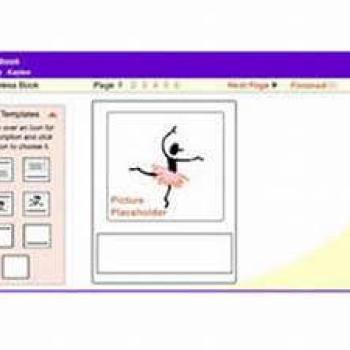
Stapleless Book

Venn Diagram, 3 Circles
Students use this graphic organizer to describe similarities and differences between three objects or ideas.

Exit Slips
This printout provides prompts that help students reflect on and process new information and think critically, and offers teachers the opportunity to differentiate upcoming instruction based on these reflections.

Using the Think-Pair-Share Technique
In this strategy guide, you will learn how to organize students and classroom topics to encourage a high degree of classroom participation and assist students in developing a conceptual understanding of a topic through the use of the Think-Pair-Share technique.

Using Word Walls to Develop and Maintain Academic Vocabulary
In this guide, you will learn how to use Word Walls to support vocabulary development and retention.

Using Partner Talk to Strengthen Student Collaboration and Understanding
In this strategy guide, you'll learn about Partner Talk—a way to provide students with another learning opportunity to make learning their own through collaboration and discussion.

Exit Slips
This strategy guide introduces the concept of using Exit Slips in the classroom to help students reflect on what they have learned and express what or how they are thinking about the new information. Exit Slips easily incorporate writing into the content area classroom and require students to think critically.
New Visions for Linking Literature and Mathematics
David and Phyllis Whitin offer K–6 teachers a wealth of ideas for integrating literature and mathematics.
Wondrous Words: Writers and Writing in the Elementary Classroom
Katie Wood Ray explains in practical terms the theoretical underpinnings of how elementary and middle school students learn to write from their reading.

The Day Jimmy's Boa Taught Cause and Effect
This lesson introduces the concept of cause and effect with Trinka Hakes Noble's books about Jimmy and his boa constrictor.

Creative Problem-Solving with Ezra Jack Keats
Using books by Ezra Jack Keats as inspiration, students explore problems and solutions through read-alouds, discussion, and an interactive bulletin board.

Four Simple Steps to Small-Group Guided Writing
Students will go batty about the three writing strategies they learn in this lesson centered on Nicola Davies' Bat Loves the Night.
The Big Green Monster Teaches Phonics in Reading and Writing
A big green monster helps students build their reading fluency and word recognition skills through choral reading, literacy center activities, and writing stories.

Catching the Bug for Reading Through Interactive Read-Alouds
Students learn about story structure, new vocabulary, and a variety of reading strategies by participating in an interactive read-aloud of Miss Bindergarten Stays Home From Kindergarten by Joseph Slate.

Weather: A Journey in Nonfiction
Questions about weather clear up when students use what they learned from their books to create a presentation to share with the rest of the class.

Diagram It! Identifying, Comparing, and Writing About Nonfiction Texts
Students compare the traits fact and fiction by using a Venn diagram to compare fiction and nonfiction books about Native Americans.
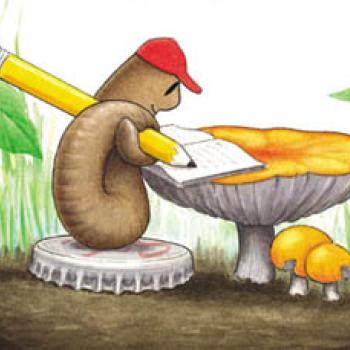
Fact or Fiction: Learning About Worms Using Diary of a Worm
Students often believe that fiction writers make everything up, seldom realizing how research worms its way into entertaining writing. In this lesson, students read Diary of a Worm to find out how fact merges with fiction.
Junie B. Jones Introduces Literacy Mystery Boxes
Like Junie B. Jones, students will be saying "Wait till you hear this" after listening to a Junie B. story and creating mystery boxes to help retell the story.

Predicting and Gathering Information With Nonfiction Texts
Students take a walk on the wild side when they develop an understanding of nonfiction texts with hands-on experiences and intense analysis.

Learning Vocabulary Down By the Bay
Students sing a popular children's song, follow along with a picture book that contains the lyrics and illustrations, and then participate in activities to reinforce learning of the vocabulary words.