ReadWriteThink - Powered by NCTE
  • About
  • Classroom Resources
    • Lesson Plans
    • Teaching Comics
    • Teaching With Primary Resources
    • Calendar
    • Printouts
    • Student Interactives
  • Collections
    • Assessment
    • Authors
    • Booklists
    • Media Literacy
    • Poetry
    • Primary Sources
    • Writing
  • Professional Development
    • Strategy Guides
    • Professional Library
    • Meetings & Events
  • Join NCTE
  • Contact Us
  • About
  • Classroom Resources
    • Lesson Plans
    • Teaching Comics
    • Teaching With Primary Resources
    • Calendar
    • Printouts
    • Student Interactives
  • Collections
    • Assessment
    • Authors
    • Booklists
    • Media Literacy
    • Poetry
    • Primary Sources
    • Writing
  • Professional Development
    • Strategy Guides
    • Professional Library
    • Meetings & Events
  • Join NCTE
  • Contact Us
  • Facebook
  • Twitter
  • Instagram
  • Pinterest
  • YouTube

Breadcrumb

  1. Home

Type

  • Classroom Resources
  • Professional Development

Grades

  • 1 (86)
  • 2 (93)
  • 3 (216)
  • 4 (221)
  • 5 (270)
  • 6 (332)
  • 7 (348)
  • 8 (353)
  • 9 (379)
  • 10 (375)
  • 11 (367)
  • 12 (366)
  • (-) K (66)

Learning Objectives

  • (-) critical thinking (66)
  • collaboration (76)
  • Comprehension (72)
  • digital literacy (17)
  • Grammar (10)
  • inquiry / research (48)
  • listening (40)
  • literary analysis (30)
  • Media literacy (20)
  • metacognition (30)
  • multicultural awareness (14)
  • multimodal literacy (32)
  • oral communication (42)
  • phonological awareness (47)
  • print awareness (36)
  • reading fluency (30)
  • reading genres (42)
  • Spelling (31)
  • text structure / story structure (44)
  • Vocabulary (54)
  • writing genres (51)
  • writing process (77)

Topics

  • arts
  • careers
  • community
  • drama
  • ELL
  • Family
  • fiction
  • Mathematics
  • Mobile Learning
  • nonfiction
  • poetry
  • science
  • seasons / holidays
  • social action
  • social studies / history
  • STEM
Introducing Ideas and Vocabulary with the Concept Sort
Grades
Grades
K - 8
|
Strategy Guide
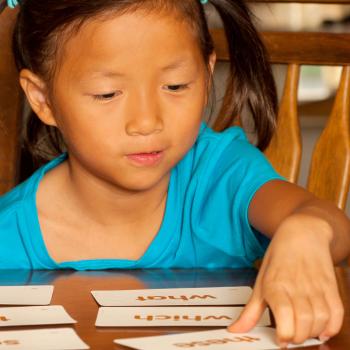
Introducing Ideas and Vocabulary with the Concept Sort
A Concept Sort is a vocabulary and comprehension strategy used with students to introduce new topics and/or familiarize students with new vocabulary.
Exit Slips
Grades
Grades
K - 12
|
Strategy Guide
Exit Slips
This strategy guide introduces the concept of using Exit Slips in the classroom to help students reflect on what they have learned and express what or how they are thinking about the new information. Exit Slips easily incorporate writing into the content area classroom and require students to think critically.
New Visions for Linking Literature and Mathematics
Grades
K - 6
|
Professional Library
|
Book
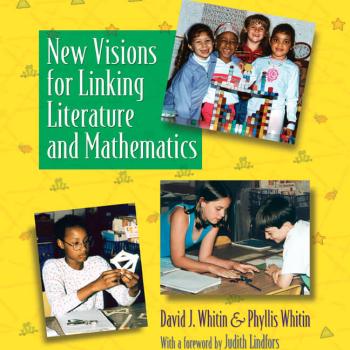
New Visions for Linking Literature and Mathematics
David and Phyllis Whitin offer K–6 teachers a wealth of ideas for integrating literature and mathematics.
Standards for the English Language Arts
Grades
K - 12
|
Professional Library
|
Book
Standards for the English Language Arts
Standards for the English Language Arts presents a vision of literacy education that encompasses the use of print, oral, and visual language and addresses six interrelated English language arts: reading, writing, speaking, listening, viewing, and visually representing.

Grades
K - 2
|
Lesson Plan
|
Standard Lesson
Four Simple Steps to Small-Group Guided Writing
Students will go batty about the three writing strategies they learn in this lesson centered on Nicola Davies' Bat Loves the Night.

Weather: A Journey in Nonfiction
Grades
K - 2
|
Lesson Plan
|
Unit
Weather: A Journey in Nonfiction
Questions about weather clear up when students use what they learned from their books to create a presentation to share with the rest of the class.
Diagram It! Identifying, Comparing, and Writing About Nonfiction Texts
Grades
K - 2
|
Lesson Plan
|
Unit
Diagram It! Identifying, Comparing, and Writing About Nonfiction Texts
Students compare the traits fact and fiction by using a Venn diagram to compare fiction and nonfiction books about Native Americans.

Telling a Story About Me: Young Children Write Autobiographies
Grades
K - 2
|
Lesson Plan
|
Unit
Telling a Story About Me: Young Children Write Autobiographies
Students tell their life stories in this lesson about autobiographies based on family photographs.
Grades
K - 2
|
Lesson Plan
|
Unit
Junie B. Jones Introduces Literacy Mystery Boxes
Like Junie B. Jones, students will be saying "Wait till you hear this" after listening to a Junie B. story and creating mystery boxes to help retell the story.
Predicting and Gathering Information With Nonfiction Texts
Grades
K - 2
|
Lesson Plan
|
Unit
Predicting and Gathering Information With Nonfiction Texts
Students take a walk on the wild side when they develop an understanding of nonfiction texts with hands-on experiences and intense analysis.

Rain, Ice, Steam: Using Reading to Support Inquiry About the Water Cycle
Grades
K - 2
|
Lesson Plan
|
Unit
Rain, Ice, Steam: Using Reading to Support Inquiry About the Water Cycle
Water is always moving in a continuous cycle from liquid to solid to gas and back again. Students study this never-ending cycle through shared readings, center activities, and experiments.
Shared Poetry Reading: Teaching Print Concepts, Rhyme, and Vocabulary
Grades
K - 2
|
Lesson Plan
|
Standard Lesson
Shared Poetry Reading: Teaching Print Concepts, Rhyme, and Vocabulary
The rhyme and reason behind this lesson is that students will need to develop important reading skills to increase their reading fluency.

Integrating Language Arts: <em>If You Give a Mouse a Cookie</em>
Grades
K - 2
|
Lesson Plan
Integrating Language Arts: If You Give a Mouse a Cookie
This lesson integrates reading, writing, listening, and speaking to boost students' comprehension skills. Students explore Laura Joffe Numeroff 's If You Give a Mouse a Cookie using a variety of techniques, beginning with a picture walk and ending with the creation and publication of their own versions of the text.

Combining Read-Alouds With Economics in the Primary Grades
Grades
K - 2
|
Lesson Plan
|
Standard Lesson
Combining Read-Alouds With Economics in the Primary Grades
Students learn that what you read in books can really add up when they analyze literary texts for economic concepts.

Family Ties: Making Connections to Improve Reading Comprehension
Grades
K - 2
|
Lesson Plan
|
Standard Lesson
Family Ties: Making Connections to Improve Reading Comprehension
Families are all about connections between people. In this lesson, students read three books about different families and make text-to-self, text-to-text, and text-to-world connections to those texts.
Using Greeting Cards to Motivate Students and Enhance Literacy Skills
Grades
K - 2
|
Lesson Plan
|
Standard Lesson
Using Greeting Cards to Motivate Students and Enhance Literacy Skills
Imagination and illustration are the key in this lesson in which students read and create their own greeting cards.
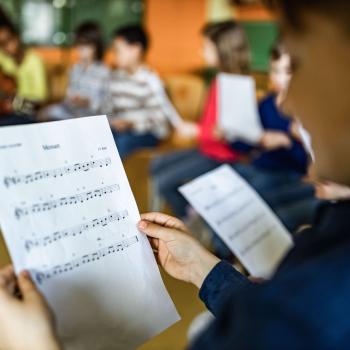
Read a Song: Using Song Lyrics for Reading and Writing
Grades
K - 2
|
Lesson Plan
|
Standard Lesson
Read a Song: Using Song Lyrics for Reading and Writing
This lesson will be music to the students' ears when they hear that they get to read song lyrics and compose original lyrics for a familiar song.
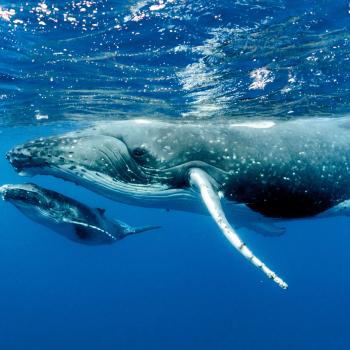
Reading and Writing About Whales Using Fiction and Nonfiction Texts
Grades
K - 2
|
Lesson Plan
|
Unit
Reading and Writing About Whales Using Fiction and Nonfiction Texts
Students will have a whale of a good time in this lesson in which they use fiction and nonfiction texts to write a letter to an online scientist.
Cowboys and Castles: Interacting With Fractured Texas Tales
Grades
K - 2
|
Lesson Plan
|
Standard Lesson
Cowboys and Castles: Interacting With Fractured Texas Tales
What do cowboy hats have to do with fairy tales? Two traditional fairy tales and their Texas-based counterparts set the stage for five different ways to respond to text.
Grades
K - 2
|
Lesson Plan
|
Standard Lesson
Reading Informational Texts Using the 3-2-1 Strategy
Students can count on using the 3-2-1 strategy to help them successfully comprehend and write about an informational text.

Pagination

  • First page « First
  • Previous page ‹‹
  • Page 1
  • Page 2
  • Page 3
  • Page 4
  • Next page ››
  • Last page Last »

Explore Resources by Grade

  • KindergartenK
  • 1-2
  • 3-4
  • 5-6
  • 7-8
  • 9-10
  • 11-12

RWT-logo

Powered By NCTE

Footer 1 Menu

  • About
  • Classroom Resources
  • Professional Development
  • Collections
  • Contact Us

Footer 2 Menu

  • National Council of Teachers of English
  • Contribute to RWT
  • FAQs
  • Join NCTE

Footer 3 Menu

  • Legal Notices
  • Privacy Policy
  • Promotional Materials
  • Site Demonstrations

Want to stay in touch with RWT and NCTE? Sign up here!

  • Facebook
  • Twitter
  • Instagram
  • Pinterest
  • YouTube

© NCTE 2026. All rights reserved