ReadWriteThink - Powered by NCTE
  • About
  • Classroom Resources
    • Lesson Plans
    • Teaching Comics
    • Teaching With Primary Resources
    • Calendar
    • Printouts
    • Student Interactives
  • Collections
    • Assessment
    • Authors
    • Booklists
    • Media Literacy
    • Poetry
    • Primary Sources
    • Writing
  • Professional Development
    • Strategy Guides
    • Professional Library
    • Meetings & Events
  • Join NCTE
  • Contact Us
  • About
  • Classroom Resources
    • Lesson Plans
    • Teaching Comics
    • Teaching With Primary Resources
    • Calendar
    • Printouts
    • Student Interactives
  • Collections
    • Assessment
    • Authors
    • Booklists
    • Media Literacy
    • Poetry
    • Primary Sources
    • Writing
  • Professional Development
    • Strategy Guides
    • Professional Library
    • Meetings & Events
  • Join NCTE
  • Contact Us
  • Facebook
  • Twitter
  • Instagram
  • Pinterest
  • YouTube

Breadcrumb

  1. Home

Type

  • Classroom Resources

Grades

  • 1 (14)
  • 2 (14)
  • 3 (6)
  • 4 (5)
  • 5 (4)
  • 9 (1)
  • 10 (1)
  • 11 (1)
  • 12 (1)
  • (-) K (13)

Learning Objectives

  • (-) phonological awareness (13)
  • collaboration (27)
  • Comprehension (25)
  • critical thinking (18)
  • digital literacy (3)
  • Grammar (5)
  • inquiry / research (8)
  • listening (19)
  • literary analysis (16)
  • Media literacy (6)
  • metacognition (10)
  • multicultural awareness (6)
  • multimodal literacy (6)
  • oral communication (17)
  • reading fluency (11)
  • reading genres (16)
  • Spelling (10)
  • text structure / story structure (22)
  • Vocabulary (15)
  • writing genres (9)
  • writing process (18)

Topics

  • (-) fiction
  • arts
  • community
  • ELL
  • Family
  • poetry
  • seasons / holidays
Grades
K - 2
|
Lesson Plan
|
Standard Lesson
The Big Green Monster Teaches Phonics in Reading and Writing
A big green monster helps students build their reading fluency and word recognition skills through choral reading, literacy center activities, and writing stories.

Grades
K - 2
|
Lesson Plan
|
Unit
Teaching Audience Through Interactive Writing
Through interactive writing, students work together and then independently to create invitation letters for a group of their peers and their families.

Spelling Cheerleading: Integrating Movement and Spelling Generalizations
Grades
K - 5
|
Lesson Plan
|
Standard Lesson
Spelling Cheerleading: Integrating Movement and Spelling Generalizations
"2-4-6-8, students will be spelling great" in this lesson that teaches the y rule for adding suffixes through cheering the spelling of words aloud, word sorts, and writing stories.
Phonics In Context
Grades
K - 2
|
Lesson Plan
|
Minilesson
Phonics In Context
Use an engaging, authentic text to build students' knowledge of phonic elements and give them a taste of Japanese culture.
Shared Poetry Reading: Teaching Print Concepts, Rhyme, and Vocabulary
Grades
K - 2
|
Lesson Plan
|
Standard Lesson
Shared Poetry Reading: Teaching Print Concepts, Rhyme, and Vocabulary
The rhyme and reason behind this lesson is that students will need to develop important reading skills to increase their reading fluency.
Word Study with <em>Henry and Mudge</em>
Grades
K - 3
|
Lesson Plan
|
Standard Lesson
Word Study with Henry and Mudge

Henry and Mudge is used in this lesson to build students' word recognition through rereading, high-frequency word banks, word studies, and writing.
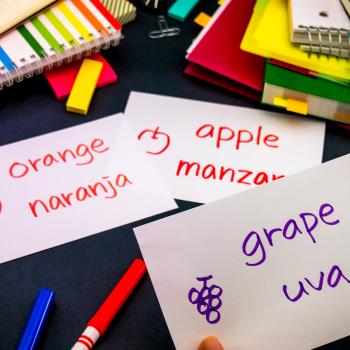
Let's Read It Again: Comprehension Strategies for English-Language Learners
Grades
K - 2
|
Lesson Plan
|
Standard Lesson
Let's Read It Again: Comprehension Strategies for English-Language Learners
Help Spanish-speaking English-language learners unlock the mysteries of their new language by using a bilingual book to recognize unfamiliar words and construct meaning from the text.
Grades
K - 2
|
Lesson Plan
|
Recurring Lesson
Learning Centers: From Shared to Independent Practice
Seven blind mice—see how they spend each day of the week in this lesson that uses the book Seven Blind Mice to guide students through shared reading, writing, and listening activities.
Whole-to-Parts Phonics Instruction: Teaching Letter-Sound Correspondences
Grades
K - 2
|
Lesson Plan
|
Standard Lesson
Whole-to-Parts Phonics Instruction: Teaching Letter-Sound Correspondences
Students will find that learning onset and rime is a handy skill when they read the Jack and Jill rhyme.
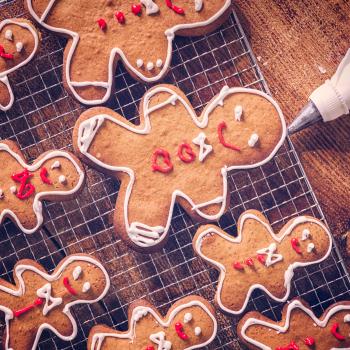
Gingerbread Phonics
Grades
K - 2
|
Lesson Plan
|
Standard Lesson
Gingerbread Phonics
"Run, run, as fast as you can." Students use this refrain from The Gingerbread Man to learn letter-sound correspondence. Students use their new skills to write an online story.
Getting the <em>ig</em> in Pig: Helping Children Discover Onset and Rime
Grades
K - 2
|
Lesson Plan
|
Standard Lesson
Getting the ig in Pig: Helping Children Discover Onset and Rime
Students will need their language-building hard hats as they construct words using onset and rime, building vocabulary and phonics comprehension.

Using Folk Tales: Vowel Influences on the Letter <em>G</em>
Grades
K - 2
|
Lesson Plan
|
Minilesson
Using Folk Tales: Vowel Influences on the Letter G
Gentle, gigantic, graceful—do these g words describe the giant in Jack and the Beanstalk? Students will explore the hard and soft g sounds by studying fairy tales and animals.

Grades
K - 2
|
Rhyme Time With Madeline

Children love books that rhyme and to create their own rhymes. It's a fun way to learn how words sound similar to one another!

Explore Resources by Grade

  • KindergartenK
  • 1-2
  • 3-4
  • 5-6
  • 7-8
  • 9-10
  • 11-12

RWT-logo

Powered By NCTE

Footer 1 Menu

  • About
  • Classroom Resources
  • Professional Development
  • Collections
  • Contact Us

Footer 2 Menu

  • National Council of Teachers of English
  • Contribute to RWT
  • FAQs
  • Join NCTE

Footer 3 Menu

  • Legal Notices
  • Privacy Policy
  • Promotional Materials
  • Site Demonstrations

Want to stay in touch with RWT and NCTE? Sign up here!

  • Facebook
  • Twitter
  • Instagram
  • Pinterest
  • YouTube

© NCTE 2026. All rights reserved