ReadWriteThink - Powered by NCTE
  • About
  • Classroom Resources
    • Lesson Plans
    • Teaching Comics
    • Teaching With Primary Resources
    • Calendar
    • Printouts
    • Student Interactives
  • Collections
    • Assessment
    • Authors
    • Booklists
    • Media Literacy
    • Poetry
    • Primary Sources
    • Writing
  • Professional Development
    • Strategy Guides
    • Professional Library
    • Meetings & Events
  • Join NCTE
  • Contact Us
  • About
  • Classroom Resources
    • Lesson Plans
    • Teaching Comics
    • Teaching With Primary Resources
    • Calendar
    • Printouts
    • Student Interactives
  • Collections
    • Assessment
    • Authors
    • Booklists
    • Media Literacy
    • Poetry
    • Primary Sources
    • Writing
  • Professional Development
    • Strategy Guides
    • Professional Library
    • Meetings & Events
  • Join NCTE
  • Contact Us
  • Facebook
  • Twitter
  • Instagram
  • Pinterest
  • YouTube

Breadcrumb

  1. Home

Type

  • (-) Professional Library
    • Book
    • Journal
    • Position Statement

Grades

  • 1 (26)
  • 2 (26)
  • 4 (29)
  • 5 (48)
  • 6 (55)
  • 7 (60)
  • 8 (83)
  • 9 (88)
  • 10 (75)
  • 11 (75)
  • 12 (75)
  • K (26)
  • (-) 3 (28)

Learning Objectives

  • Comprehension (2)
  • critical thinking (3)
  • Grammar (1)
  • inquiry / research (1)
  • literary analysis (1)
  • Media literacy (1)
  • metacognition (2)
  • multimodal literacy (1)
  • phonological awareness (1)
  • print awareness (2)
  • reading fluency (1)
  • reading genres (3)
  • text structure / story structure (1)
  • writing genres (4)
  • writing process (2)

Topics

  • arts
  • careers
  • community
  • Mathematics
  • social action
Different Texts, Different Emergent Writing Forms
Grades
K - 8
|
Professional Library
|
Journal
Different Texts, Different Emergent Writing Forms
Examines young children's ability to vary the forms of emergent writing as they wrote a story, a shopping list, and a letter to a friend at three different times during the school year. Finds that children apply their emergent knowledge about written language differently. Indicates a considerable mismatch between written products and knowledge of genre characteristics.
Nonfiction Inquiry: Using Real Reading and Writing to Explore the World
Grades
K - 8
|
Professional Library
|
Journal
Nonfiction Inquiry: Using Real Reading and Writing to Explore the World
Nonfiction is the genre most likely to spur children's passion and wonder for learning. This article discusses way to motivate children to read nonfiction.
Language and Literacy: The Poetry Connection
Grades
K - 8
|
Professional Library
|
Journal
Language and Literacy: The Poetry Connection
Offers a conceptual framework for building language awareness through the reading of poetry, encouraging children to reflect on language in interesting and powerful ways. Provides an instructional model for constructing literature-based experiences in the classroom.
Standards for the English Language Arts
Grades
K - 12
|
Professional Library
|
Book
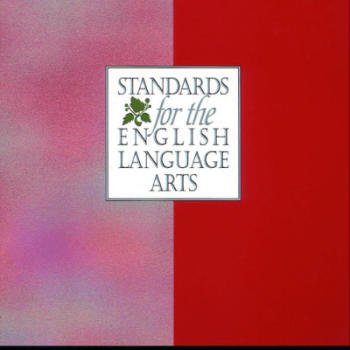
Standards for the English Language Arts
Standards for the English Language Arts presents a vision of literacy education that encompasses the use of print, oral, and visual language and addresses six interrelated English language arts: reading, writing, speaking, listening, viewing, and visually representing.
Code-Switching: Teaching Standard English in Urban Classrooms
Grades
K - 8
|
Professional Library
|
Book
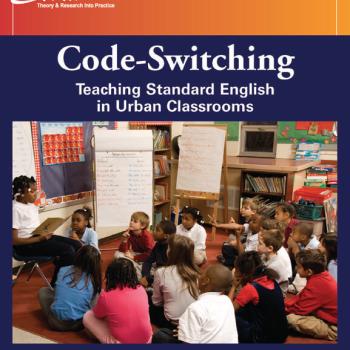
Code-Switching: Teaching Standard English in Urban Classrooms
Wheeler and Swords show K–6 teachers how to use code-switching and contrastive analysis to help students use prior knowledge to translate vernacular English into Standard English.
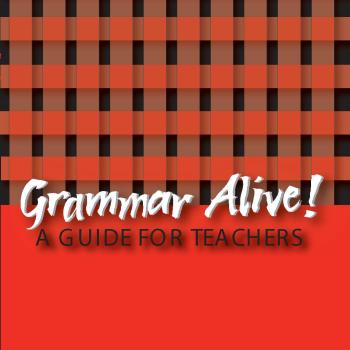
Grammar Alive!: A Guide for Teachers
Grades
K - 12
|
Professional Library
|
Book
Grammar Alive!: A Guide for Teachers
NCTE's Assembly for the Teaching of English Grammar provides this much-needed resource for teachers who wonder what to do about grammar—how to teach it, how to apply it, how to learn what they themselves were never taught.
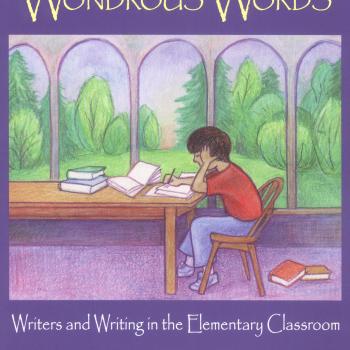
Wondrous Words: Writers and Writing in the Elementary Classroom
Grades
K - 6
|
Professional Library
|
Book
Wondrous Words: Writers and Writing in the Elementary Classroom
Katie Wood Ray explains in practical terms the theoretical underpinnings of how elementary and middle school students learn to write from their reading.
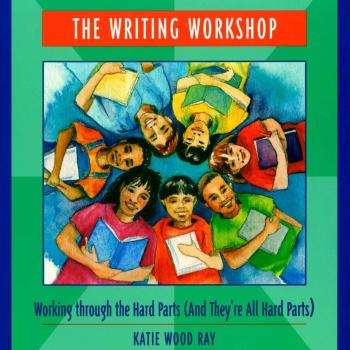
The Writing Workshop: Working through the Hard Parts (And They're All Hard Parts)
Grades
K - 8
|
Professional Library
|
Book
The Writing Workshop: Working through the Hard Parts (And They're All Hard Parts)
A practical, comprehensive, and illuminating guide for both new and experienced teachers that confronts the challenges of the writing workshop head-on.

Pagination

  • First page « First
  • Previous page ‹‹
  • Page 1
  • Page 2

Explore Resources by Grade

  • KindergartenK
  • 1-2
  • 3-4
  • 5-6
  • 7-8
  • 9-10
  • 11-12

RWT-logo

Powered By NCTE

Footer 1 Menu

  • About
  • Classroom Resources
  • Professional Development
  • Collections
  • Contact Us

Footer 2 Menu

  • National Council of Teachers of English
  • Contribute to RWT
  • FAQs
  • Join NCTE

Footer 3 Menu

  • Legal Notices
  • Privacy Policy
  • Promotional Materials
  • Site Demonstrations

Want to stay in touch with RWT and NCTE? Sign up here!

  • Facebook
  • Twitter
  • Instagram
  • Pinterest
  • YouTube

© NCTE 2026. All rights reserved