ReadWriteThink - Powered by NCTE
  • About
  • Classroom Resources
    • Lesson Plans
    • Teaching Comics
    • Teaching With Primary Resources
    • Calendar
    • Printouts
    • Student Interactives
  • Collections
    • Assessment
    • Authors
    • Booklists
    • Media Literacy
    • Poetry
    • Primary Sources
    • Writing
  • Professional Development
    • Strategy Guides
    • Professional Library
    • Meetings & Events
  • Join NCTE
  • Contact Us
  • About
  • Classroom Resources
    • Lesson Plans
    • Teaching Comics
    • Teaching With Primary Resources
    • Calendar
    • Printouts
    • Student Interactives
  • Collections
    • Assessment
    • Authors
    • Booklists
    • Media Literacy
    • Poetry
    • Primary Sources
    • Writing
  • Professional Development
    • Strategy Guides
    • Professional Library
    • Meetings & Events
  • Join NCTE
  • Contact Us
  • Facebook
  • Twitter
  • Instagram
  • Pinterest
  • YouTube

Breadcrumb

  1. Home

Type

  • Classroom Resources
  • Professional Development

Grades

  • 1 (298)
  • 3 (508)
  • 4 (525)
  • 5 (603)
  • 6 (735)
  • 7 (750)
  • 8 (780)
  • 10 (767)
  • 11 (754)
  • 12 (751)
  • K (262)
  • (-) 2 (308)
  • (-) 9 (787)

Learning Objectives

  • collaboration (261)
  • Comprehension (299)
  • critical thinking (443)
  • digital literacy (95)
  • Grammar (29)
  • inquiry / research (216)
  • listening (125)
  • literary analysis (233)
  • Media literacy (150)
  • metacognition (213)
  • multicultural awareness (78)
  • multimodal literacy (174)
  • oral communication (146)
  • phonological awareness (46)
  • print awareness (65)
  • reading fluency (42)
  • reading genres (191)
  • Spelling (34)
  • text structure / story structure (148)
  • Vocabulary (109)
  • writing genres (242)
  • writing process (247)

Topics

  • arts
  • careers
  • community
  • drama
  • ELL
  • Family
  • fiction
  • Mathematics
  • Mobile Learning
  • nonfiction
  • poetry
  • science
  • seasons / holidays
  • social action
  • social studies / history
  • Sports
  • STEM
Developing Aesthetic Criteria: Using Music to Move Beyond Like/Dislike with Poetry
Grades
9 - 10
|
Lesson Plan
|
Standard Lesson
Developing Aesthetic Criteria: Using Music to Move Beyond Like/Dislike with Poetry
In this lesson, students develop the cognitive tool of criteria development for discussing the aesthetics of poetry and music.

Persuade Me in Five Slides!  Creating Persuasive Digital Stories
Grades
6 - 12
|
Lesson Plan
Persuade Me in Five Slides! Creating Persuasive Digital Stories
After students write persuasive essays, use this lesson to challenge them to summarize their essays concisely by creating five-slide presentations.

Making the Cut: Revising Memoirs by Detecting Clutter and Confusion
Grades
6 - 10
|
Lesson Plan
|
Standard Lesson
Making the Cut: Revising Memoirs by Detecting Clutter and Confusion
Students improve a slide show by removing pictures. Their reasons for cutting pictures are translated into revision guidelines for cutting unnecessary words and sections from their rough drafts.
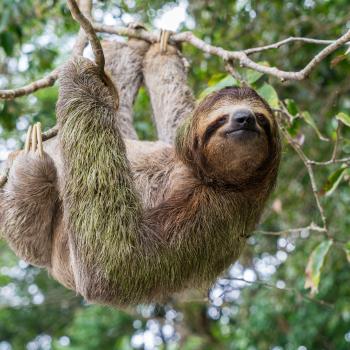
Investigating Animals: Using Nonfiction for Inquiry-based Research
Grades
K - 2
|
Lesson Plan
|
Unit
Investigating Animals: Using Nonfiction for Inquiry-based Research
Inspired by their curiosity about animals, students work together to research an animal of their choice and present the information they gather to an authentic audience.

Adventures in Nonfiction: A Guided Inquiry Journey
Grades
K - 2
|
Lesson Plan
|
Standard Lesson
Adventures in Nonfiction: A Guided Inquiry Journey
Students are guided through an informal exploration of nonfiction texts and child-oriented Websites, learning browsing and skimming techniques for the purpose of gathering interesting information.

Grades
9 - 12
|
Lesson Plan
|
Standard Lesson
Become a Character: Adjectives, Character Traits, and Perspective
Students "become" one of the major characters in a book and describe themselves and other characters, using lists of accurate, powerful adjectives.
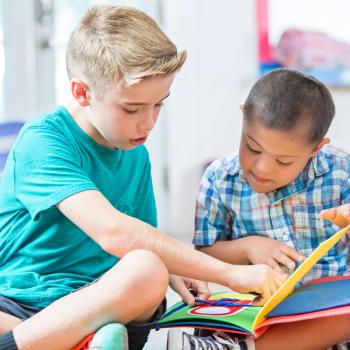
Book Buddy Biographies: Intermediate and Primary Students Working Together
Grades
K - 2
|
Lesson Plan
|
Standard Lesson
Book Buddy Biographies: Intermediate and Primary Students Working Together
Students create a personalized biography for their reading buddy, and each child is the author, illustrator, and editor.

Giant Story Problems: Reading Comprehension through Math Problem-Solving
Grades
1 - 2
|
Lesson Plan
|
Standard Lesson
Giant Story Problems: Reading Comprehension through Math Problem-Solving
Students create posters using images, text, and mathematical equations to represent a story problem.
Book Sorting: Using Observation and Comprehension to Categorize Books
Grades
K - 2
|
Lesson Plan
|
Standard Lesson
Book Sorting: Using Observation and Comprehension to Categorize Books
Students utilize their reading and writing skills as they think critically in order to sort books in multiple ways.
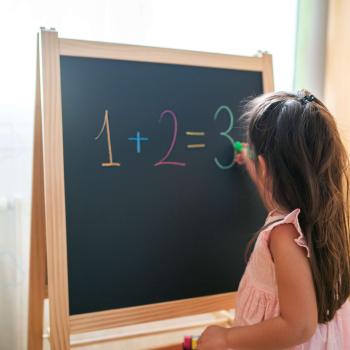
Draw a Math Story: From the Concrete to the Symbolic
Grades
1 - 2
|
Lesson Plan
|
Standard Lesson
Draw a Math Story: From the Concrete to the Symbolic
Students create math stories by first drawing, then writing, and finally using math symbols to show addition or subtraction.

Creating Class Rules: A Beginning to Creating Community
Grades
K - 2
|
Lesson Plan
|
Standard Lesson
Creating Class Rules: A Beginning to Creating Community
Students work together to create classroom rules by brainstorming why they are at school and what they need while they are there.
Guess What's in the Bag: A Language-based Activity
Grades
K - 2
|
Lesson Plan
|
Minilesson
Guess What's in the Bag: A Language-based Activity
Students play a guessing game to practice using descriptive language.

Dr. Seuss's Sound Words: Playing with Phonics and Spelling
Grades
K - 2
|
Lesson Plan
|
Standard Lesson
Dr. Seuss's Sound Words: Playing with Phonics and Spelling
Boom! Br-r-ring! Cluck! Moo!—Everywhere you turn, you find exciting sounds. Students use these sounds to write their own poems based on Dr. Seuss's Mr. Brown Can MOO! Can You?

Persuasive Writing: What Can Writing in Family Message Journals Do for Students?
Grades
K - 2
|
Lesson Plan
|
Standard Lesson
Persuasive Writing: What Can Writing in Family Message Journals Do for Students?
This lesson engages children in using writing to their families as a persuasive tool to get what they want and need.
It Doesn't Have to End That Way: Using Prediction Strategies with Literature
Grades
K - 2
|
Lesson Plan
|
Minilesson
It Doesn't Have to End That Way: Using Prediction Strategies with Literature
After listening to the beginning of a story, students use details in the text, personal experience, and prior knowledge to predict the way the story will end.
Family Message Journals Teach Many Purposes for Writing
Grades
K - 2
|
Lesson Plan
|
Standard Lesson
Family Message Journals Teach Many Purposes for Writing
This lesson encourages children to explore authentic reasons for writing by writing messages to their family in a family message journal.
Launching Family Message Journals
Grades
K - 2
|
Lesson Plan
|
Standard Lesson
Launching Family Message Journals
This lesson introduces Family Message Journals—a teacher-tested tool for encouraging family involvement and supporting writing to reflect and to learn.

Using Children's Natural Curiosity to Lead to Descriptive Writing
Grades
K - 2
|
Lesson Plan
|
Minilesson
Using Children's Natural Curiosity to Lead to Descriptive Writing

Inspired by the book It Begins with an A, kindergarten students are invited to turn their curiosity and guesswork into a class book, complete with illustrated objects and descriptive language
Composing Cinquain Poems: A Quick-Writing Activity
Grades
1 - 2
|
Lesson Plan
|
Minilesson
Composing Cinquain Poems: A Quick-Writing Activity
Students use themed graphic organizers to compose cinquain poems on topics common in the early elementary classroom.
Literature Circles with Primary Students Using Self-Selected Reading
Grades
K - 2
|
Lesson Plan
|
Recurring Lesson
Literature Circles with Primary Students Using Self-Selected Reading
Students respond to self-selected books in journals, and talk about their books daily in small groups. The teacher guides students by offering suggestions and writing with them in dialogue journals.

Pagination

  • First page « First
  • Previous page ‹‹
  • …
  • Page 7
  • Page 8
  • Page 9
  • Page 10
  • Page 11
  • Page 12
  • Page 13
  • Page 14
  • Page 15
  • …
  • Next page ››
  • Last page Last »

Explore Resources by Grade

  • KindergartenK
  • 1-2
  • 3-4
  • 5-6
  • 7-8
  • 9-10
  • 11-12

RWT-logo

Powered By NCTE

Footer 1 Menu

  • About
  • Classroom Resources
  • Professional Development
  • Collections
  • Contact Us

Footer 2 Menu

  • National Council of Teachers of English
  • Contribute to RWT
  • FAQs
  • Join NCTE

Footer 3 Menu

  • Legal Notices
  • Privacy Policy
  • Promotional Materials
  • Site Demonstrations

Want to stay in touch with RWT and NCTE? Sign up here!

  • Facebook
  • Twitter
  • Instagram
  • Pinterest
  • YouTube

© NCTE 2026. All rights reserved