ReadWriteThink - Powered by NCTE
  • About
  • Classroom Resources
    • Lesson Plans
    • Teaching Comics
    • Teaching With Primary Resources
    • Calendar
    • Printouts
    • Student Interactives
  • Collections
    • Assessment
    • Authors
    • Booklists
    • Media Literacy
    • Poetry
    • Primary Sources
    • Writing
  • Professional Development
    • Strategy Guides
    • Professional Library
    • Meetings & Events
  • Join NCTE
  • Contact Us
  • About
  • Classroom Resources
    • Lesson Plans
    • Teaching Comics
    • Teaching With Primary Resources
    • Calendar
    • Printouts
    • Student Interactives
  • Collections
    • Assessment
    • Authors
    • Booklists
    • Media Literacy
    • Poetry
    • Primary Sources
    • Writing
  • Professional Development
    • Strategy Guides
    • Professional Library
    • Meetings & Events
  • Join NCTE
  • Contact Us
  • Facebook
  • Twitter
  • Instagram
  • Pinterest
  • YouTube

Breadcrumb

  1. Home

Type

  • Classroom Resources
  • Professional Development

Grades

  • 1 (11)
  • 3 (10)
  • 4 (11)
  • 5 (15)
  • 6 (17)
  • 7 (18)
  • 8 (18)
  • 9 (9)
  • 10 (9)
  • 11 (8)
  • 12 (8)
  • K (11)
  • (-) 2 (12)

Learning Objectives

  • (-) Vocabulary (12)
  • collaboration (14)
  • Comprehension (17)
  • critical thinking (17)
  • digital literacy (2)
  • inquiry / research (28)
  • listening (4)
  • literary analysis (3)
  • Media literacy (1)
  • metacognition (6)
  • multicultural awareness (1)
  • multimodal literacy (7)
  • oral communication (6)
  • print awareness (4)
  • reading fluency (1)
  • reading genres (10)
  • Spelling (1)
  • text structure / story structure (7)
  • writing genres (7)

Topics

  • (-) science
  • arts
  • careers
  • community
  • drama
  • ELL
  • Family
  • fiction
  • Mathematics
  • Mobile Learning
  • nonfiction
  • poetry
  • seasons / holidays
  • social studies / history
  • STEM
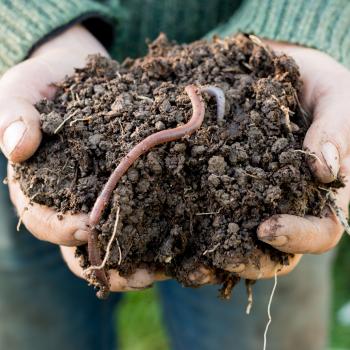
Digging Up Details on Worms: Using the Language of Science in an Inquiry Study
Grades
K - 2
|
Lesson Plan
|
Standard Lesson
Digging Up Details on Worms: Using the Language of Science in an Inquiry Study
This lesson, in which students research worms in order to create a classroom habitat, incorporates reading and writing across content areas as well as math and science activities.
Writing Acrostic Poems with Thematically Related Texts in the Content Areas
Grades
2 - 5
|
Lesson Plan
|
Standard Lesson
Writing Acrostic Poems with Thematically Related Texts in the Content Areas
Students read thematically related texts, scaffolded from simple to complex, to help them gather necessary concept vocabulary and background knowledge in a content area. They then write acrostic poems to organize and present their learning in a creative way.
Developing Academic Vocabulary
Grades
Grades
K - 12
|
Strategy Guide Series
Developing Academic Vocabulary
In this Strategy Guide Series, you'll find creative and compatible ways to build, maintain, and extend students' vocabulary across academic disciplines.
Using Word Walls to Develop and Maintain Academic Vocabulary
Grades
Grades
K - 12
|
Strategy Guide
Using Word Walls to Develop and Maintain Academic Vocabulary
In this guide, you will learn how to use Word Walls to support vocabulary development and retention.
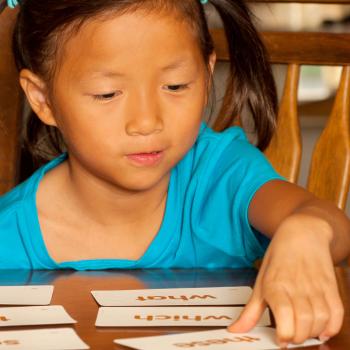
Introducing Ideas and Vocabulary with the Concept Sort
Grades
Grades
K - 8
|
Strategy Guide
Introducing Ideas and Vocabulary with the Concept Sort
A Concept Sort is a vocabulary and comprehension strategy used with students to introduce new topics and/or familiarize students with new vocabulary.
Grades
K - 2
|
Lesson Plan
|
Standard Lesson
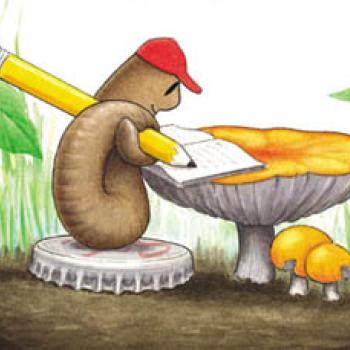
Fact or Fiction: Learning About Worms Using Diary of a Worm
Students often believe that fiction writers make everything up, seldom realizing how research worms its way into entertaining writing. In this lesson, students read Diary of a Worm to find out how fact merges with fiction.

Combining Read-Alouds With Economics in the Primary Grades
Grades
K - 2
|
Lesson Plan
|
Standard Lesson
Combining Read-Alouds With Economics in the Primary Grades
Students learn that what you read in books can really add up when they analyze literary texts for economic concepts.
Protecting Our Precious Planet: Sharing the Message of Earth Day
Grades
K - 2
|
Lesson Plan
|
Standard Lesson
Protecting Our Precious Planet: Sharing the Message of Earth Day
Students discover that they can make a world of difference when they participate in the online Earth Day bag program.
Blast Off! Vocabulary Instruction Using a Virtual Moon Trip
Grades
K - 2
|
Lesson Plan
|
Standard Lesson
Blast Off! Vocabulary Instruction Using a Virtual Moon Trip
3, 2, 1... Blast off! Students learn new vocabulary by taking a virtual field trip to the moon, read-alouds, creating a picture dictionary, and completing a final writing activity.
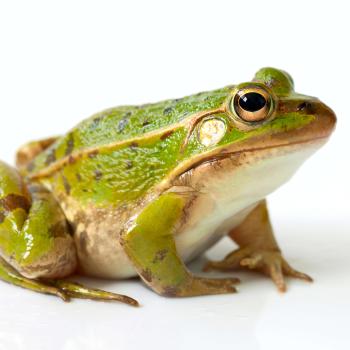
The Frog Beyond the Fairy Tale Character: Searching Informational Texts
Grades
K - 2
|
Lesson Plan
|
Standard Lesson
The Frog Beyond the Fairy Tale Character: Searching Informational Texts
Frogs often appear as the main character in fiction stories, but what do students really know about frogs? Students find out in this lesson in which they research real-life frogs.

Grades
K - 2
|
Blast Off to Learn New Words

Boost vocabulary by taking an imaginary trip into space. After a lunar "landing," children return to Earth with a galaxy of new words.
Grades
K - 8
|
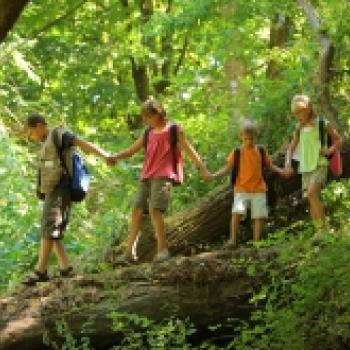
Let's Go On A Poetry Walk!

The sun is shining, the birds are chirping, and you're surrounded by brilliant shades of green! Observe and collect sensory images from nature and use the sights, sounds, smells, and textures to create original nature poetry.

Explore Resources by Grade

  • KindergartenK
  • 1-2
  • 3-4
  • 5-6
  • 7-8
  • 9-10
  • 11-12

RWT-logo

Powered By NCTE

Footer 1 Menu

  • About
  • Classroom Resources
  • Professional Development
  • Collections
  • Contact Us

Footer 2 Menu

  • National Council of Teachers of English
  • Contribute to RWT
  • FAQs
  • Join NCTE

Footer 3 Menu

  • Legal Notices
  • Privacy Policy
  • Promotional Materials
  • Site Demonstrations

Want to stay in touch with RWT and NCTE? Sign up here!

  • Facebook
  • Twitter
  • Instagram
  • Pinterest
  • YouTube

© NCTE 2026. All rights reserved