This lesson, in which students research worms in order to create a classroom habitat, incorporates reading and writing across content areas as well as math and science activities.
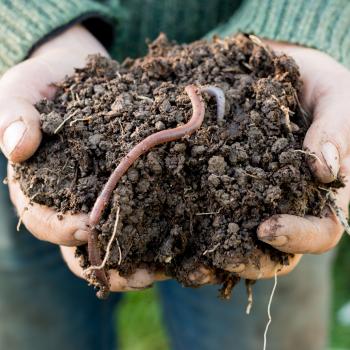
Digging Up Details on Worms: Using the Language of Science in an Inquiry Study

Creating Question and Answer Books through Guided Research
This series of activities is designed to teach research strategies. Students use KWL charts to guide their inquiry and publish their results in a collaborative question and answer book.
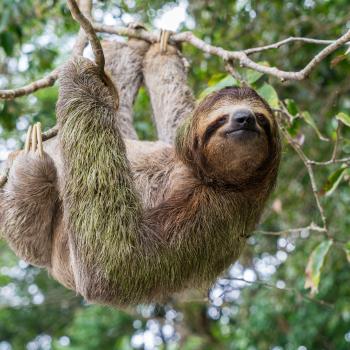
Investigating Animals: Using Nonfiction for Inquiry-based Research
Inspired by their curiosity about animals, students work together to research an animal of their choice and present the information they gather to an authentic audience.

Four Simple Steps to Small-Group Guided Writing
Students will go batty about the three writing strategies they learn in this lesson centered on Nicola Davies' Bat Loves the Night.
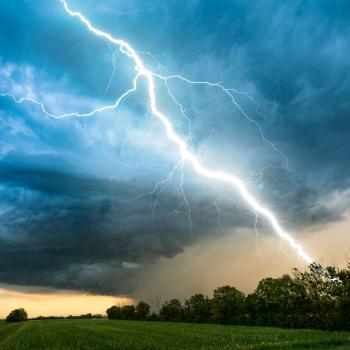
Weather: A Journey in Nonfiction
Questions about weather clear up when students use what they learned from their books to create a presentation to share with the rest of the class.
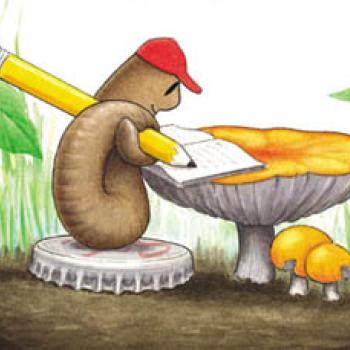
Fact or Fiction: Learning About Worms Using Diary of a Worm
Students often believe that fiction writers make everything up, seldom realizing how research worms its way into entertaining writing. In this lesson, students read Diary of a Worm to find out how fact merges with fiction.

Rain, Ice, Steam: Using Reading to Support Inquiry About the Water Cycle
Water is always moving in a continuous cycle from liquid to solid to gas and back again. Students study this never-ending cycle through shared readings, center activities, and experiments.

I Wonder: Writing Scientific Explanations With Students
Students choose a question to explore, research it using a variety of resources, organize their information on a TCF chart, and then collaboratively write a class scientific explanation.

Combining Read-Alouds With Economics in the Primary Grades
Students learn that what you read in books can really add up when they analyze literary texts for economic concepts.

Protecting Our Precious Planet: Sharing the Message of Earth Day
Students discover that they can make a world of difference when they participate in the online Earth Day bag program.
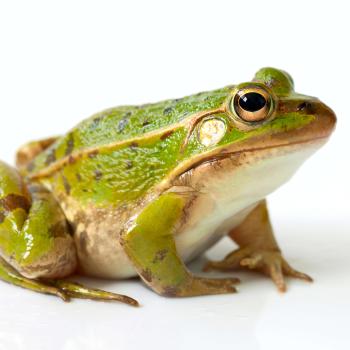
The Frog Beyond the Fairy Tale Character: Searching Informational Texts
Frogs often appear as the main character in fiction stories, but what do students really know about frogs? Students find out in this lesson in which they research real-life frogs.
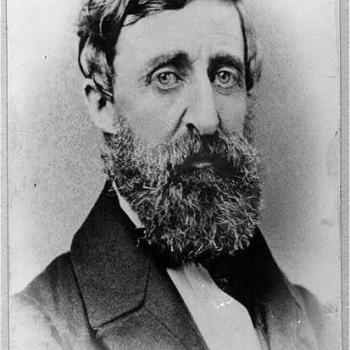
Henry David Thoreau was born in 1817.
Students make mental "snapshots" of a natural setting, then capture the details of their setting by writing and then creating a class booklet of the nature walk.

The first U.S. zoo opened in Philadelphia in 1874.
Students consider how zoos have changed over the past century and design their own zoo of the future using drawings, posters, dioramas, or other displays.

Dr. Christian Barnard performed the first human heart transplant.
Students talk about the causes of heart disease and the role that diet and exercise play. Then, students find healthy dessert recipes and vote on one dessert to make in class.