ReadWriteThink - Powered by NCTE
  • About
  • Classroom Resources
    • Lesson Plans
    • Teaching Comics
    • Teaching With Primary Resources
    • Calendar
    • Printouts
    • Student Interactives
  • Collections
    • Assessment
    • Authors
    • Booklists
    • Media Literacy
    • Poetry
    • Primary Sources
    • Writing
  • Professional Development
    • Strategy Guides
    • Professional Library
    • Meetings & Events
  • Join NCTE
  • Contact Us
  • About
  • Classroom Resources
    • Lesson Plans
    • Teaching Comics
    • Teaching With Primary Resources
    • Calendar
    • Printouts
    • Student Interactives
  • Collections
    • Assessment
    • Authors
    • Booklists
    • Media Literacy
    • Poetry
    • Primary Sources
    • Writing
  • Professional Development
    • Strategy Guides
    • Professional Library
    • Meetings & Events
  • Join NCTE
  • Contact Us
  • Facebook
  • Twitter
  • Instagram
  • Pinterest
  • YouTube

Breadcrumb

  1. Home

Type

  • (-) Lesson Plan
    • Minilesson
    • Recurring Lesson
    • Standard Lesson
    • Unit

Grades

  • 1 (6)
  • 3 (31)
  • 4 (35)
  • 5 (39)
  • 6 (54)
  • 7 (52)
  • 8 (53)
  • 9 (58)
  • 10 (58)
  • 11 (59)
  • 12 (59)
  • K (6)
  • (-) 2 (10)

Learning Objectives

  • collaboration (7)
  • Comprehension (5)
  • critical thinking (2)
  • digital literacy (1)
  • inquiry / research (5)
  • listening (1)
  • literary analysis (1)
  • Media literacy (1)
  • multicultural awareness (3)
  • multimodal literacy (1)
  • oral communication (1)
  • phonological awareness (1)
  • print awareness (1)
  • reading fluency (2)
  • reading genres (2)
  • text structure / story structure (1)
  • Vocabulary (4)
  • writing genres (3)
  • writing process (5)

Topics

  • (-) social studies / history
  • arts
  • careers
  • community
  • drama
  • ELL
  • Family
  • fiction
  • Mathematics
  • Mobile Learning
  • nonfiction
  • poetry
  • science
  • seasons / holidays
  • social action
  • STEM
"America the Beautiful": Using Music and Art to Develop Vocabulary
Grades
K - 2
|
Lesson Plan
|
Unit
"America the Beautiful": Using Music and Art to Develop Vocabulary
Students engage in a rich study of vocabulary words from the song "America the Beautiful," using music and art.

Grades
K - 2
|
Lesson Plan
|
Standard Lesson
Mail Time! An Integrated Postcard and Geography Study
Children write and receive postcards from friends and family, and then chart where all those postcards come from on a classroom map.
Grades
K - 2
|
Lesson Plan
|
Recurring Lesson
Living the Dream: 100 Acts of Kindness
This lesson provides the "action piece" for any study of Dr. Martin Luther King, Jr. In this project, students participate in Dr. King's dream by doing 100 acts of kindness.
Martin Luther King, Jr. and Me: Identifying with a Hero
Grades
K - 2
|
Lesson Plan
|
Standard Lesson
Martin Luther King, Jr. and Me: Identifying with a Hero
This lesson provides ideas for celebrating Martin Luther King, Jr. Day by encouraging students to explore the connections between Dr. King and themselves through journaling and inquiry-based research.
Writing Acrostic Poems with Thematically Related Texts in the Content Areas
Grades
2 - 5
|
Lesson Plan
|
Standard Lesson
Writing Acrostic Poems with Thematically Related Texts in the Content Areas
Students read thematically related texts, scaffolded from simple to complex, to help them gather necessary concept vocabulary and background knowledge in a content area. They then write acrostic poems to organize and present their learning in a creative way.
Captioning the Civil Rights Movement: Reading the Images, Writing the Words
Grades
2 - 8
|
Lesson Plan
|
Standard Lesson
Captioning the Civil Rights Movement: Reading the Images, Writing the Words
Teachers guide students to carefully view images from the Civil Rights Movement and write captions that accurately describe the images and/or their probable purposes.
Diagram It! Identifying, Comparing, and Writing About Nonfiction Texts
Grades
K - 2
|
Lesson Plan
|
Unit
Diagram It! Identifying, Comparing, and Writing About Nonfiction Texts
Students compare the traits fact and fiction by using a Venn diagram to compare fiction and nonfiction books about Native Americans.
Bringing Economic Vocabulary to Life Through Video Posters
Grades
2 - 5
|
Lesson Plan
|
Minilesson
Bringing Economic Vocabulary to Life Through Video Posters
Imagine if vocabulary could come alive with the click of a button! Students create video posters to demonstrate knowledge of new economics vocabulary.
Whose Shoes? Using Artifacts to Teach Reading and Rhyming Patterns
Grades
1 - 2
|
Lesson Plan
|
Standard Lesson
Whose Shoes? Using Artifacts to Teach Reading and Rhyming Patterns
If the shoe fits… Actually, any shoe will fit this lesson, and the Artifact Analysis Questions provided will help students see it in a whole new way. Several rhyming texts take the shoe theme a step further, and introduce activities to increase students' awareness of rhyming words.
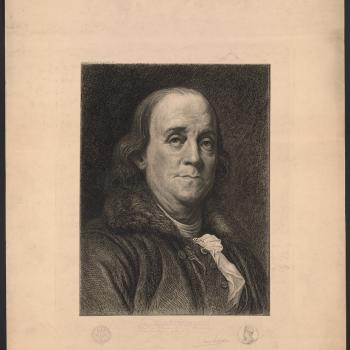
History Comes Alive: Developing Fluency and Comprehension Using Social Studies
Grades
2 - 5
|
Lesson Plan
|
Unit
History Comes Alive: Developing Fluency and Comprehension Using Social Studies
Let the power of imagination and inference serve as a "time machine" to bring Benjamin Franklin into the classroom! History and science come to life in a dialogue with Franklin the inventor, developed through lesson activities that incorporate research, imagination, writing, visual arts, and drama.

Explore Resources by Grade

  • KindergartenK
  • 1-2
  • 3-4
  • 5-6
  • 7-8
  • 9-10
  • 11-12

RWT-logo

Powered By NCTE

Footer 1 Menu

  • About
  • Classroom Resources
  • Professional Development
  • Collections
  • Contact Us

Footer 2 Menu

  • National Council of Teachers of English
  • Contribute to RWT
  • FAQs
  • Join NCTE

Footer 3 Menu

  • Legal Notices
  • Privacy Policy
  • Promotional Materials
  • Site Demonstrations

Want to stay in touch with RWT and NCTE? Sign up here!

  • Facebook
  • Twitter
  • Instagram
  • Pinterest
  • YouTube

© NCTE 2026. All rights reserved