ReadWriteThink - Powered by NCTE
  • About
  • Classroom Resources
    • Lesson Plans
    • Teaching Comics
    • Teaching With Primary Resources
    • Calendar
    • Printouts
    • Student Interactives
  • Collections
    • Assessment
    • Authors
    • Booklists
    • Media Literacy
    • Poetry
    • Primary Sources
    • Writing
  • Professional Development
    • Strategy Guides
    • Professional Library
    • Meetings & Events
  • Join NCTE
  • Contact Us
  • About
  • Classroom Resources
    • Lesson Plans
    • Teaching Comics
    • Teaching With Primary Resources
    • Calendar
    • Printouts
    • Student Interactives
  • Collections
    • Assessment
    • Authors
    • Booklists
    • Media Literacy
    • Poetry
    • Primary Sources
    • Writing
  • Professional Development
    • Strategy Guides
    • Professional Library
    • Meetings & Events
  • Join NCTE
  • Contact Us
  • Facebook
  • Twitter
  • Instagram
  • Pinterest
  • YouTube

Breadcrumb

  1. Home

Type

  • (-) Standard Lesson

Grades

  • 1 (91)
  • 3 (151)
  • 4 (161)
  • 5 (173)
  • 6 (185)
  • 7 (182)
  • 8 (185)
  • 9 (203)
  • 10 (197)
  • 11 (192)
  • 12 (191)
  • K (81)
  • (-) 2 (94)

Learning Objectives

  • collaboration (38)
  • Comprehension (47)
  • critical thinking (17)
  • digital literacy (5)
  • Grammar (8)
  • inquiry / research (17)
  • listening (20)
  • literary analysis (11)
  • Media literacy (4)
  • metacognition (3)
  • multicultural awareness (3)
  • multimodal literacy (8)
  • oral communication (15)
  • phonological awareness (25)
  • print awareness (14)
  • reading fluency (16)
  • reading genres (14)
  • Spelling (19)
  • text structure / story structure (19)
  • Vocabulary (34)
  • writing genres (21)
  • writing process (38)

Topics

  • arts
  • careers
  • community
  • drama
  • ELL
  • Family
  • fiction
  • Mathematics
  • Mobile Learning
  • nonfiction
  • poetry
  • science
  • seasons / holidays
  • social action
  • social studies / history
Shared Poetry Reading: Teaching Print Concepts, Rhyme, and Vocabulary
Grades
K - 2
|
Lesson Plan
|
Standard Lesson
Shared Poetry Reading: Teaching Print Concepts, Rhyme, and Vocabulary
The rhyme and reason behind this lesson is that students will need to develop important reading skills to increase their reading fluency.
Teaching About Story Structure Using Fairy Tales
Grades
K - 2
|
Lesson Plan
|
Standard Lesson
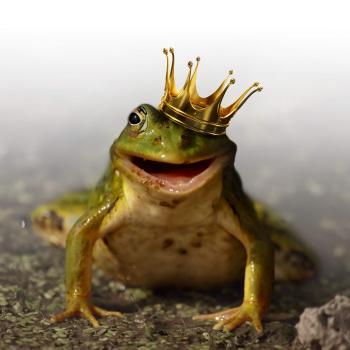
Teaching About Story Structure Using Fairy Tales
From "once upon a time" to "happily ever after," students learn to recognize story structure in fairy tales and create a logical sequence of events when writing original stories.
Alphabetizing With Original Stories
Grades
K - 2
|
Lesson Plan
|
Standard Lesson
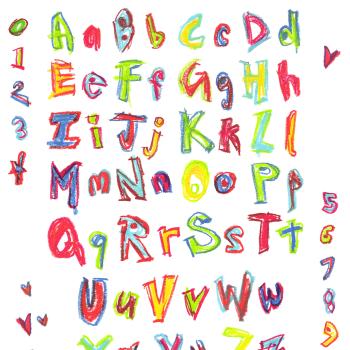
Alphabetizing With Original Stories
Students write original stories using alphabetical order, beginning each page with a new letter, and then illustrate their texts in class or at home with their families.
Learning About Word Families with <em>Click, Clack, Moo</em>
Grades
K - 2
|
Lesson Plan
|
Standard Lesson
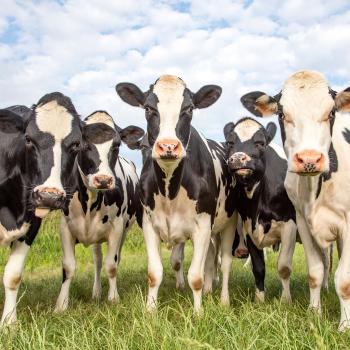
Learning About Word Families with Click, Clack, Moo

Using text from Doreen Cronin's Click, Clack, Moo: Cows That Type as shared readings, first-grade students learn word families and how to decode new words in a word family.
Digging Deeper: Developing Comprehension Using <em>Thank You, Mr. Falker</em>
Grades
K - 4
|
Lesson Plan
|
Standard Lesson
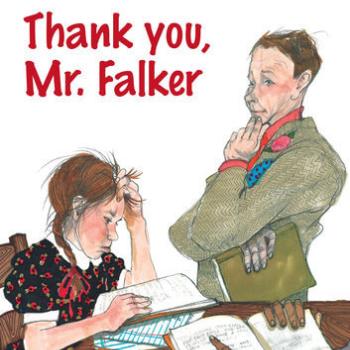
Digging Deeper: Developing Comprehension Using Thank You, Mr. Falker

A read-aloud of Patricia Polacco's Thank You, Mr. Falker helps promote deeper comprehension through questioning to achieve personal connections and discussions of character and theme.

Word Study with <em>Henry and Mudge</em>
Grades
K - 3
|
Lesson Plan
|
Standard Lesson
Word Study with Henry and Mudge

Henry and Mudge is used in this lesson to build students' word recognition through rereading, high-frequency word banks, word studies, and writing.

Teaching Shapes Using Read-Alouds, Visualization, and Sketch to Stretch
Grades
K - 2
|
Lesson Plan
|
Standard Lesson
Teaching Shapes Using Read-Alouds, Visualization, and Sketch to Stretch
Visual clues in winter-themed books used in this lesson encourage students to make real-world math connections.

Combining Read-Alouds With Economics in the Primary Grades
Grades
K - 2
|
Lesson Plan
|
Standard Lesson
Combining Read-Alouds With Economics in the Primary Grades
Students learn that what you read in books can really add up when they analyze literary texts for economic concepts.

Family Ties: Making Connections to Improve Reading Comprehension
Grades
K - 2
|
Lesson Plan
|
Standard Lesson
Family Ties: Making Connections to Improve Reading Comprehension
Families are all about connections between people. In this lesson, students read three books about different families and make text-to-self, text-to-text, and text-to-world connections to those texts.
Using Greeting Cards to Motivate Students and Enhance Literacy Skills
Grades
K - 2
|
Lesson Plan
|
Standard Lesson
Using Greeting Cards to Motivate Students and Enhance Literacy Skills
Imagination and illustration are the key in this lesson in which students read and create their own greeting cards.
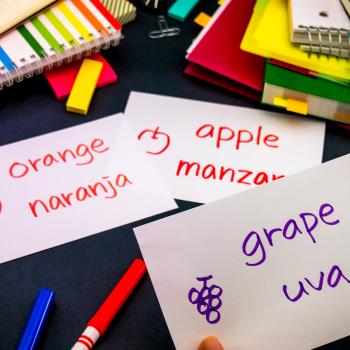
Let's Read It Again: Comprehension Strategies for English-Language Learners
Grades
K - 2
|
Lesson Plan
|
Standard Lesson
Let's Read It Again: Comprehension Strategies for English-Language Learners
Help Spanish-speaking English-language learners unlock the mysteries of their new language by using a bilingual book to recognize unfamiliar words and construct meaning from the text.
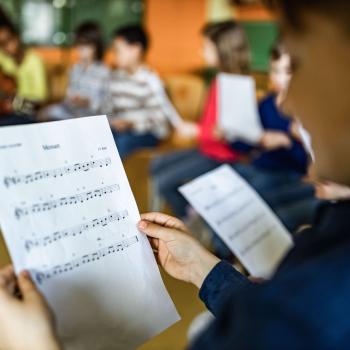
Read a Song: Using Song Lyrics for Reading and Writing
Grades
K - 2
|
Lesson Plan
|
Standard Lesson
Read a Song: Using Song Lyrics for Reading and Writing
This lesson will be music to the students' ears when they hear that they get to read song lyrics and compose original lyrics for a familiar song.
Whose Shoes? Using Artifacts to Teach Reading and Rhyming Patterns
Grades
1 - 2
|
Lesson Plan
|
Standard Lesson
Whose Shoes? Using Artifacts to Teach Reading and Rhyming Patterns
If the shoe fits… Actually, any shoe will fit this lesson, and the Artifact Analysis Questions provided will help students see it in a whole new way. Several rhyming texts take the shoe theme a step further, and introduce activities to increase students' awareness of rhyming words.
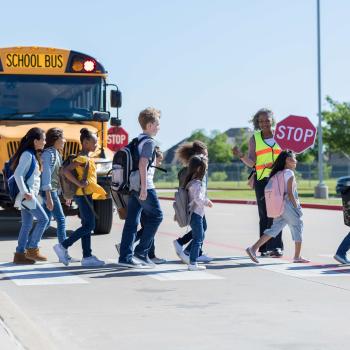
Safety Tips With <em>Officer Buckle and Gloria</em>
Grades
K - 2
|
Lesson Plan
|
Standard Lesson
Safety Tips With Officer Buckle and Gloria
Safety first! In this lesson, students take the lessons taught by Officer Buckle and Gloria to heart as they explore safety in everyday situations.
Casting Shadows Across Literacy and Science
Grades
K - 2
|
Lesson Plan
|
Standard Lesson
Casting Shadows Across Literacy and Science

Shadows, shadows, everywhere! In this lesson, students read fiction, informational text, and poetry about shadows to extend their knowledge of the concept before casting their own shadow poetry.

Whole-to-Parts Phonics Instruction: Teaching Letter-Sound Correspondences
Grades
K - 2
|
Lesson Plan
|
Standard Lesson
Whole-to-Parts Phonics Instruction: Teaching Letter-Sound Correspondences
Students will find that learning onset and rime is a handy skill when they read the Jack and Jill rhyme.
Cowboys and Castles: Interacting With Fractured Texas Tales
Grades
K - 2
|
Lesson Plan
|
Standard Lesson
Cowboys and Castles: Interacting With Fractured Texas Tales
What do cowboy hats have to do with fairy tales? Two traditional fairy tales and their Texas-based counterparts set the stage for five different ways to respond to text.

Poetry Portfolios: Using Poetry to Teach Reading
Grades
K - 2
|
Lesson Plan
|
Standard Lesson
Poetry Portfolios: Using Poetry to Teach Reading
Teach your students about sentence structure, rhyming words, sight words, vocabulary, and print concepts using a weekly poem.
A is for Apple: Building Letter-Recognition Fluency
Grades
K - 2
|
Lesson Plan
|
Standard Lesson
A is for Apple: Building Letter-Recognition Fluency
Students apply and build their knowledge of letters and letter sounds as they play games and interact with letters online, creating their own ABC book as a final activity.

Using a Predictable Text to Teach High-Frequency Words
Grades
K - 2
|
Lesson Plan
|
Standard Lesson
Using a Predictable Text to Teach High-Frequency Words
After reading an engaging yet predictable text about a child looking for his cat, students use a similar format and high-frequency words to craft tales about their own lost pets.

Pagination

  • First page « First
  • Previous page ‹‹
  • Page 1
  • Page 2
  • Page 3
  • Page 4
  • Page 5
  • Next page ››
  • Last page Last »

Explore Resources by Grade

  • KindergartenK
  • 1-2
  • 3-4
  • 5-6
  • 7-8
  • 9-10
  • 11-12

RWT-logo

Powered By NCTE

Footer 1 Menu

  • About
  • Classroom Resources
  • Professional Development
  • Collections
  • Contact Us

Footer 2 Menu

  • National Council of Teachers of English
  • Contribute to RWT
  • FAQs
  • Join NCTE

Footer 3 Menu

  • Legal Notices
  • Privacy Policy
  • Promotional Materials
  • Site Demonstrations

Want to stay in touch with RWT and NCTE? Sign up here!

  • Facebook
  • Twitter
  • Instagram
  • Pinterest
  • YouTube

© NCTE 2026. All rights reserved