Students create math stories by first drawing, then writing, and finally using math symbols to show addition or subtraction.
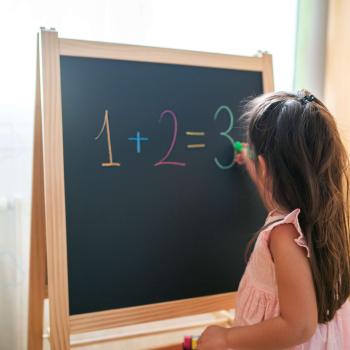
Draw a Math Story: From the Concrete to the Symbolic

Book Report Alternative: The Elements of Fiction
Students identify the elements of fiction in a book they have read and share summaries of them by writing and illustrating their own mini-book.
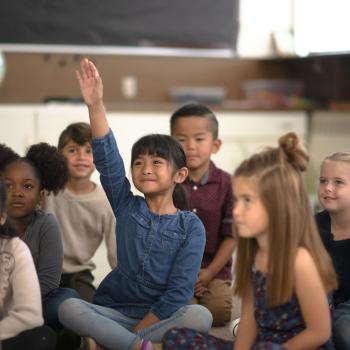
Creating Class Rules: A Beginning to Creating Community
Students work together to create classroom rules by brainstorming why they are at school and what they need while they are there.
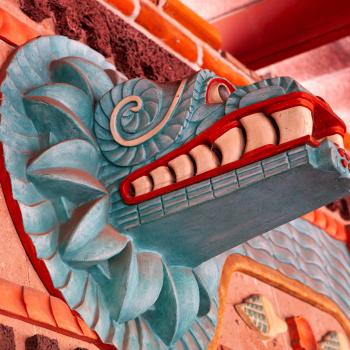
Powerful Writing: Description in Creating Monster Trading Cards
Students create their own monster trading cards using "powerful," vivid language to describe their creatures.
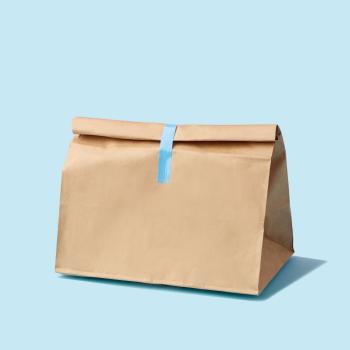
Guess What's in the Bag: A Language-based Activity
Students play a guessing game to practice using descriptive language.
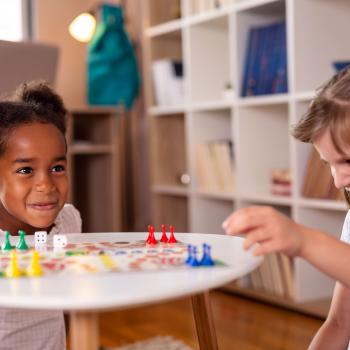
Technical Reading and Writing Using Board Games
Students celebrate a novel they have read and get hands-on experience with technical writing by creating a board game based on the novel and writing the instructions for it.
Using Picture Books to Teach Setting Development in Writing Workshop
Students use a graphic organizer to analyze setting development in picture books. They then apply what they have learned to their own writing.

Dr. Seuss's Sound Words: Playing with Phonics and Spelling
Boom! Br-r-ring! Cluck! Moo!Everywhere you turn, you find exciting sounds. Students use these sounds to write their own poems based on Dr. Seuss's Mr. Brown Can MOO! Can You?

Using Picture Books to Teach Characterization in Writing Workshop
Students explore character development through experiences with picture books. They learn about the connections between reading and writing and apply the information they learn to revisions of their own writing.

Persuasive Writing: What Can Writing in Family Message Journals Do for Students?
This lesson engages children in using writing to their families as a persuasive tool to get what they want and need.

Letter Poems Deliver: Experimenting with Line Breaks in Poetry Writing
Students explore letter poems and experiment with writing letters as poems, using the placement of line breaks to enhance rhythm, sound, meaning, and appearance.
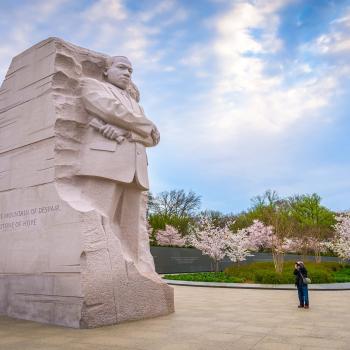
How Big Are Martin's Big Words? Thinking Big about the Future
Inspired by the book Martin's Big Words, students explore information on Dr. King to think about his "big" words, then they write about their own "big" words and dreams.
What Makes Poetry? Exploring Line Breaks
Students read various poems and explore why lines are broken where they are and how they affect rhythm, sound, meaning, and appearance in poetry.
It Doesn't Have to End That Way: Using Prediction Strategies with Literature
After listening to the beginning of a story, students use details in the text, personal experience, and prior knowledge to predict the way the story will end.
Who's Got Mail? Using Literature to Promote Authentic Letter Writing
Students discuss and chart letter elements and write their own letters to adults at school, reinforcing letter-writing skills beyond the classroom lesson.
Family Message Journals Teach Many Purposes for Writing
This lesson encourages children to explore authentic reasons for writing by writing messages to their family in a family message journal.

Launching Family Message Journals
This lesson introduces Family Message Journalsa teacher-tested tool for encouraging family involvement and supporting writing to reflect and to learn.
Book Clubs: Reading for Fun
This lesson describes how small groups of students can plan meetings to discuss what they've read in a "just for fun" book club they've organizedand that they control.

Daily Book Boosts
Book Boostsone-minute raves at the end of independent reading timeare easy ways to suggest new titles to students, and they act as a way for students to have something to think about as they read.
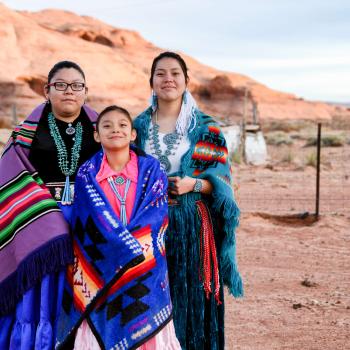
Native Americans Today
This lesson challenges students' views of Native Americans as a vanished people by asking them to compare their prior knowledge with information they gather while reading about contemporary Native Americans.