ReadWriteThink - Powered by NCTE
  • About
  • Classroom Resources
    • Lesson Plans
    • Teaching Comics
    • Teaching With Primary Resources
    • Calendar
    • Printouts
    • Student Interactives
  • Collections
    • Assessment
    • Authors
    • Booklists
    • Media Literacy
    • Poetry
    • Primary Sources
    • Writing
  • Professional Development
    • Strategy Guides
    • Professional Library
    • Meetings & Events
  • Join NCTE
  • Contact Us
  • About
  • Classroom Resources
    • Lesson Plans
    • Teaching Comics
    • Teaching With Primary Resources
    • Calendar
    • Printouts
    • Student Interactives
  • Collections
    • Assessment
    • Authors
    • Booklists
    • Media Literacy
    • Poetry
    • Primary Sources
    • Writing
  • Professional Development
    • Strategy Guides
    • Professional Library
    • Meetings & Events
  • Join NCTE
  • Contact Us
  • Facebook
  • Twitter
  • Instagram
  • Pinterest
  • YouTube

Breadcrumb

  1. Home

Type

  • (-) Strategy Guide

Grades

  • 3 (4)
  • 4 (1)
  • 5 (1)
  • 6 (4)
  • 7 (5)
  • 8 (5)
  • 9 (4)
  • 10 (4)
  • 11 (4)
  • 12 (4)
  • (-) 1 (3)

Learning Objectives

  • (-) literary analysis (3)
  • Comprehension (7)
  • critical thinking (7)
  • inquiry / research (1)
  • oral communication (5)
  • reading fluency (4)
  • Vocabulary (5)
  • writing genres (1)
  • writing process (5)
Depend on the Text! How to Create Text-Dependent Questions
Grades
Grades
1 - 3
|
Strategy Guide
Depend on the Text! How to Create Text-Dependent Questions
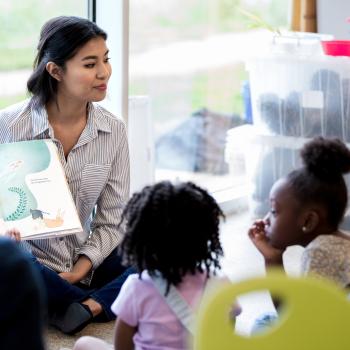
Teachers need to create text-dependent questions to elicit close reading. When answering these questions, students learn to reread and think deeply about the text.
Promote Deep Thinking! How to Choose a Complex Text
Grades
Grades
1 - 3
|
Strategy Guide
Promote Deep Thinking! How to Choose a Complex Text
Complex texts promote deep thinking and critical analysis by students. Through close reading of a complex text, students' independent reading abilities also increase.

Get Close to Think Deeply: Creating Primary-Level Close Readings
Grades
Grades
1 - 3
|
Strategy Guide
Get Close to Think Deeply: Creating Primary-Level Close Readings
Close readings allow primary students to engage with complex texts. Through repeated reading, students build a deep understanding of the text and critical thinking skills.

Explore Resources by Grade

  • KindergartenK
  • 1-2
  • 3-4
  • 5-6
  • 7-8
  • 9-10
  • 11-12

RWT-logo

Powered By NCTE

Footer 1 Menu

  • About
  • Classroom Resources
  • Professional Development
  • Collections
  • Contact Us

Footer 2 Menu

  • National Council of Teachers of English
  • Contribute to RWT
  • FAQs
  • Join NCTE

Footer 3 Menu

  • Legal Notices
  • Privacy Policy
  • Promotional Materials
  • Site Demonstrations

Want to stay in touch with RWT and NCTE? Sign up here!

  • Facebook
  • Twitter
  • Instagram
  • Pinterest
  • YouTube

© NCTE 2026. All rights reserved