Complex texts promote deep thinking and critical analysis by students. Through close reading of a complex text, students' independent reading abilities also increase.
Promote Deep Thinking! How to Choose a Complex Text

Get Close to Think Deeply: Creating Primary-Level Close Readings
Close readings allow primary students to engage with complex texts. Through repeated reading, students build a deep understanding of the text and critical thinking skills.
Using Partner Talk to Strengthen Student Collaboration and Understanding
In this strategy guide, you'll learn about Partner Talk—a way to provide students with another learning opportunity to make learning their own through collaboration and discussion.
Introducing Ideas and Vocabulary with the Concept Sort
A Concept Sort is a vocabulary and comprehension strategy used with students to introduce new topics and/or familiarize students with new vocabulary.

Exit Slips
This strategy guide introduces the concept of using Exit Slips in the classroom to help students reflect on what they have learned and express what or how they are thinking about the new information. Exit Slips easily incorporate writing into the content area classroom and require students to think critically.
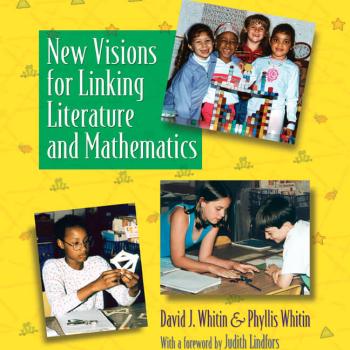
New Visions for Linking Literature and Mathematics
David and Phyllis Whitin offer K–6 teachers a wealth of ideas for integrating literature and mathematics.
Standards for the English Language Arts
Standards for the English Language Arts presents a vision of literacy education that encompasses the use of print, oral, and visual language and addresses six interrelated English language arts: reading, writing, speaking, listening, viewing, and visually representing.

Four Simple Steps to Small-Group Guided Writing
Students will go batty about the three writing strategies they learn in this lesson centered on Nicola Davies' Bat Loves the Night.

Weather: A Journey in Nonfiction
Questions about weather clear up when students use what they learned from their books to create a presentation to share with the rest of the class.
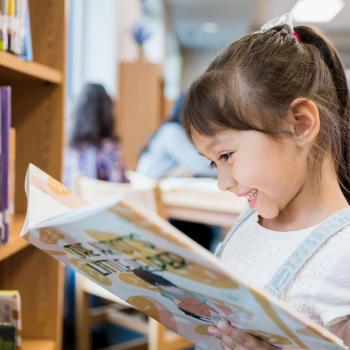
Diagram It! Identifying, Comparing, and Writing About Nonfiction Texts
Students compare the traits fact and fiction by using a Venn diagram to compare fiction and nonfiction books about Native Americans.
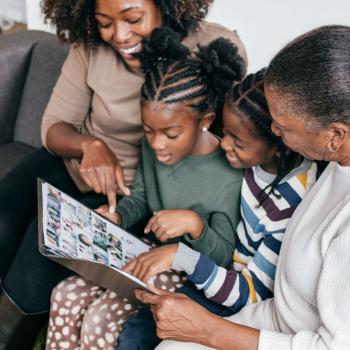
Telling a Story About Me: Young Children Write Autobiographies
Students tell their life stories in this lesson about autobiographies based on family photographs.
Junie B. Jones Introduces Literacy Mystery Boxes
Like Junie B. Jones, students will be saying "Wait till you hear this" after listening to a Junie B. story and creating mystery boxes to help retell the story.

Predicting and Gathering Information With Nonfiction Texts
Students take a walk on the wild side when they develop an understanding of nonfiction texts with hands-on experiences and intense analysis.
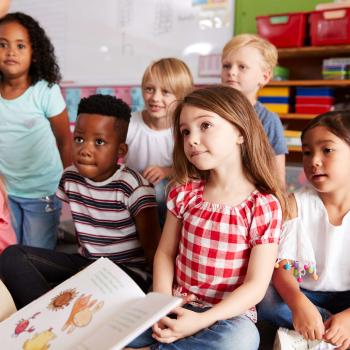
Amelia Bedelia Up Close! Closely Reading a Classic Story
Through a close reading of Amelia Bedelia, students reread the material to discuss text-dependent questions, promoting deep thinking about the text and its characters.
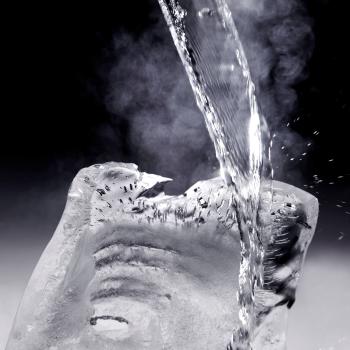
Rain, Ice, Steam: Using Reading to Support Inquiry About the Water Cycle
Water is always moving in a continuous cycle from liquid to solid to gas and back again. Students study this never-ending cycle through shared readings, center activities, and experiments.

Shared Poetry Reading: Teaching Print Concepts, Rhyme, and Vocabulary
The rhyme and reason behind this lesson is that students will need to develop important reading skills to increase their reading fluency.

Integrating Language Arts: If You Give a Mouse a Cookie
This lesson integrates reading, writing, listening, and speaking to boost students' comprehension skills. Students explore Laura Joffe Numeroff 's If You Give a Mouse a Cookie using a variety of techniques, beginning with a picture walk and ending with the creation and publication of their own versions of the text.

Combining Read-Alouds With Economics in the Primary Grades
Students learn that what you read in books can really add up when they analyze literary texts for economic concepts.

Family Ties: Making Connections to Improve Reading Comprehension
Families are all about connections between people. In this lesson, students read three books about different families and make text-to-self, text-to-text, and text-to-world connections to those texts.

Using Greeting Cards to Motivate Students and Enhance Literacy Skills
Imagination and illustration are the key in this lesson in which students read and create their own greeting cards.