ReadWriteThink - Powered by NCTE
  • About
  • Classroom Resources
    • Lesson Plans
    • Teaching Comics
    • Teaching With Primary Resources
    • Calendar
    • Printouts
    • Student Interactives
  • Collections
    • Assessment
    • Authors
    • Booklists
    • Media Literacy
    • Poetry
    • Primary Sources
    • Writing
  • Professional Development
    • Strategy Guides
    • Professional Library
    • Meetings & Events
  • Join NCTE
  • Contact Us
  • About
  • Classroom Resources
    • Lesson Plans
    • Teaching Comics
    • Teaching With Primary Resources
    • Calendar
    • Printouts
    • Student Interactives
  • Collections
    • Assessment
    • Authors
    • Booklists
    • Media Literacy
    • Poetry
    • Primary Sources
    • Writing
  • Professional Development
    • Strategy Guides
    • Professional Library
    • Meetings & Events
  • Join NCTE
  • Contact Us
  • Facebook
  • Twitter
  • Instagram
  • Pinterest
  • YouTube

Breadcrumb

  1. Home

Type

  • Classroom Resources
  • Professional Development

Grades

  • 2 (69)
  • 3 (101)
  • 4 (104)
  • 5 (124)
  • 6 (135)
  • 7 (137)
  • 8 (140)
  • 9 (128)
  • 10 (123)
  • 11 (118)
  • 12 (117)
  • K (58)
  • (-) 1 (65)

Learning Objectives

  • collaboration (27)
  • Comprehension (27)
  • critical thinking (30)
  • digital literacy (8)
  • Grammar (1)
  • inquiry / research (31)
  • listening (14)
  • literary analysis (10)
  • Media literacy (10)
  • metacognition (12)
  • multicultural awareness (4)
  • multimodal literacy (15)
  • oral communication (13)
  • phonological awareness (5)
  • print awareness (11)
  • reading fluency (6)
  • reading genres (12)
  • Spelling (6)
  • text structure / story structure (16)
  • Vocabulary (23)
  • writing genres (13)
  • writing process (17)

Topics

  • (-) arts
  • (-) science
  • careers
  • community
  • drama
  • ELL
  • Family
  • fiction
  • Mathematics
  • Mobile Learning
  • nonfiction
  • poetry
  • seasons / holidays
  • social action
  • social studies / history
  • STEM
"America the Beautiful": Using Music and Art to Develop Vocabulary
Grades
K - 2
|
Lesson Plan
|
Unit
"America the Beautiful": Using Music and Art to Develop Vocabulary
Students engage in a rich study of vocabulary words from the song "America the Beautiful," using music and art.

Digging Up Details on Worms: Using the Language of Science in an Inquiry Study
Grades
K - 2
|
Lesson Plan
|
Standard Lesson
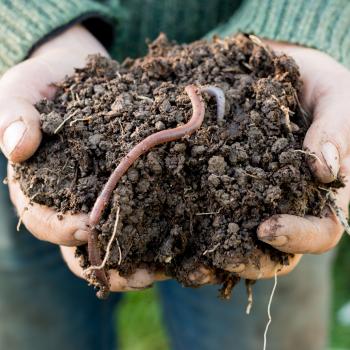
Digging Up Details on Worms: Using the Language of Science in an Inquiry Study
This lesson, in which students research worms in order to create a classroom habitat, incorporates reading and writing across content areas as well as math and science activities.
How Does My Garden Grow? Writing in Science Field Journals
Grades
K - 2
|
Lesson Plan
|
Standard Lesson
How Does My Garden Grow? Writing in Science Field Journals
Students plant a garden and study its growth using the inquiry process of questioning and exploring. As they research and study, students record their observations in a field journal.
Grades
K - 2
|
Lesson Plan
|
Standard Lesson
As Slippery as an Eel: An Ocean Unit Exploring Simile and Metaphor
Students play with simile and metaphor as they study the ocean and use figurative language to write a class book about it.
Improving Fluency through Group Literary Performance
Grades
K - 2
|
Lesson Plan
|
Standard Lesson
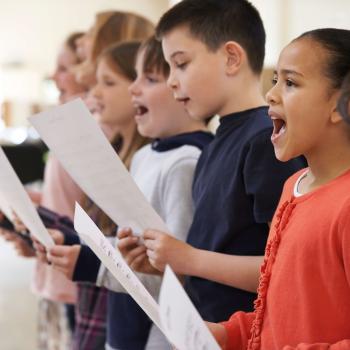
Improving Fluency through Group Literary Performance
Students participate in shared reading, choral reading, and readers theater, using books by Bill Martin, Jr. Repeated readings and literary performances help students with their reading accuracy, expression, and rate.
Creating Question and Answer Books through Guided Research
Grades
K - 2
|
Lesson Plan
|
Standard Lesson
Creating Question and Answer Books through Guided Research
This series of activities is designed to teach research strategies. Students use KWL charts to guide their inquiry and publish their results in a collaborative question and answer book.
Grades
K - 2
|
Lesson Plan
|
Standard Lesson
Animal Study: From Fiction to Facts
Students listen to fiction and nonfiction read-alouds and explore selected Websites to identify factual information about animals. This lesson focuses on ants, but can be adapted to any animal.
Designing Elements of Story in <i>Little Blue and Little Yellow</i>
Grades
K - 5
|
Lesson Plan
|
Standard Lesson
Designing Elements of Story in Little Blue and Little Yellow
In this series of four lessons, students will explore key elements of design in Little Blue and Little Yellow to learn about setting, character relationships, and plot.
Investigating Animals: Using Nonfiction for Inquiry-based Research
Grades
K - 2
|
Lesson Plan
|
Unit
Investigating Animals: Using Nonfiction for Inquiry-based Research
Inspired by their curiosity about animals, students work together to research an animal of their choice and present the information they gather to an authentic audience.

Listen, Look, and Learn: An Information-Gathering Process
Grades
K - 2
|
Lesson Plan
|
Minilesson
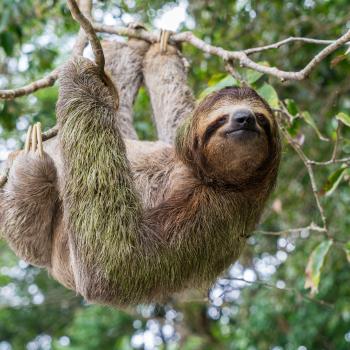
Listen, Look, and Learn: An Information-Gathering Process

After listening to and discussing the story Score One for the Sloths, primary students research the sloth. Students use a variety of resources, including an information wheel graphic organizer.
ReadAcrossAmerica
Grades
K - 12
|
Calendar Activity
|
Literacy-Related Event
Read Across America Day: Celebrate a Nation of Diverse Readers

Bring the celebration of reading and literacy into your classroom, library, school, and home all year long.
Violent Red, Ogre Green, and Delicious White: Expanding Meaning Potential through Media
Grades
K - 8
|
Professional Library
|
Journal
Violent Red, Ogre Green, and Delicious White: Expanding Meaning Potential through Media
This article reports on the meaning potential of daily access to drawing/writing media for widening and deepening meaning construction.
Readers Theatre
Grades
Grades
1 - 5
|
Strategy Guide
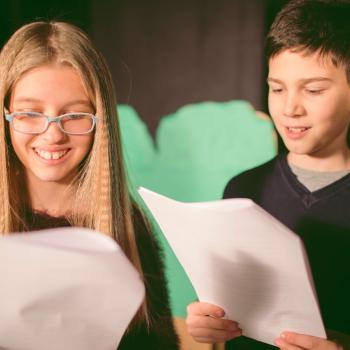
Readers Theatre
Readers Theatre integrates oral reading, literature, and the performing arts. This strategy can entice the most reluctant and disinterested reader to become engaged in reading.
Write Alouds
Grades
Grades
K - 12
|
Strategy Guide
Write Alouds
This strategy guide explains how to use write-aloud (also known as modeled writing) to teach effective writing strategies and improve students' independent writing ability.

Shared Writing
Grades
Grades
K - 12
|
Strategy Guide
Shared Writing
This strategy guide explains how to use shared writing to teach students effective strategies that will improve their own independent writing ability.

Guided Writing
Grades
Grades
K - 3
|
Strategy Guide
Guided Writing
This strategy guide explains how to use small-group, guided writing instruction to teach students effective strategies and improve their ability to produce text independently.
Developing Academic Vocabulary
Grades
Grades
K - 12
|
Strategy Guide Series
Developing Academic Vocabulary
In this Strategy Guide Series, you'll find creative and compatible ways to build, maintain, and extend students' vocabulary across academic disciplines.

Reading in the content areas
Grades
Grades
K - 12
|
Strategy Guide Series
Reading in the Content Areas
In this Strategy Guide Series, you'll get information and ideas about teaching reading in the different content areas.
Using Word Walls to Develop and Maintain Academic Vocabulary
Grades
Grades
K - 12
|
Strategy Guide
Using Word Walls to Develop and Maintain Academic Vocabulary
In this guide, you will learn how to use Word Walls to support vocabulary development and retention.
Introducing Ideas and Vocabulary with the Concept Sort
Grades
Grades
K - 8
|
Strategy Guide
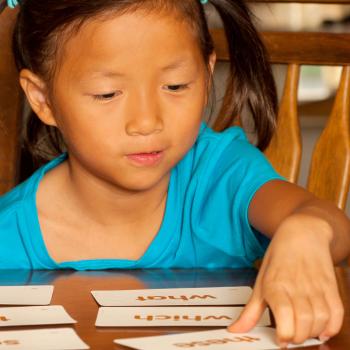
Introducing Ideas and Vocabulary with the Concept Sort
A Concept Sort is a vocabulary and comprehension strategy used with students to introduce new topics and/or familiarize students with new vocabulary.

Pagination

  • Page 1
  • Page 2
  • Page 3
  • Page 4
  • Next page ››
  • Last page Last »

Explore Resources by Grade

  • KindergartenK
  • 1-2
  • 3-4
  • 5-6
  • 7-8
  • 9-10
  • 11-12

RWT-logo

Powered By NCTE

Footer 1 Menu

  • About
  • Classroom Resources
  • Professional Development
  • Collections
  • Contact Us

Footer 2 Menu

  • National Council of Teachers of English
  • Contribute to RWT
  • FAQs
  • Join NCTE

Footer 3 Menu

  • Legal Notices
  • Privacy Policy
  • Promotional Materials
  • Site Demonstrations

Want to stay in touch with RWT and NCTE? Sign up here!

  • Facebook
  • Twitter
  • Instagram
  • Pinterest
  • YouTube

© NCTE 2026. All rights reserved