Have children explore the different parts of mystery writing by making a puzzle about a favorite book. They can then invent and write their own mysteries using the online Mystery Cube tool.

Make a Mystery Puzzle
Books Will Take You There!
While enjoying a book that features a journey, children write postcards from the perspective of the main character for each stop along the trip.
Become a Young Archaeologist
Want to visit a museum without leaving your computer? Virtually dig for famous historical artifacts from around the world found in the British Museum.

Amazing Biographies: Writing About People Who Change the World
After reading about historical figures and other important people that have changed the world, children choose someone that they consider to be "amazing"—either someone they've heard about or someone they know—and create a book page that highlights this person.
Unveiling Idioms: A Game of Concentration
Brainstorm popular expressions with friends and family, then explore their meanings through game play and writing/drawing/cut-and-paste activities.
Follow the Word Trail: Organize a Treasure Hunt
Create a treasure hunt out of word-puzzle clues hidden around the home or yard.

Send a Smile: Make a Card for a Special Occasion
Everyone loves getting a greeting card, especially if it's homemade. Make a funny or thoughtful greeting card or invitation with pictures and a poem, joke, or riddle.

The Natural World as Inspiration: An Outdoor Art Show
Children incorporate materials from outdoors with paints or crayons to create pieces of art to display on their clotheslines, fences, or porches for a neighborhood art show.

A Trip to the Museum: From Picture to Story
Visit a museum or art gallery (either online or in person) with children and teens, helping them find inspiration for a story based on a piece of art that they particularly enjoy or relate to.

Finding Poetry in Pleasure Reading
After reading a book or magazine, children and teens can choose a section and transform it into what's known as a "found poem."
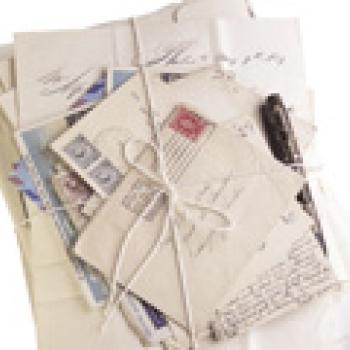
Write Letters to Friends and Family
Invite young adults to write letters to classmates, postcards from travels, and e-mails to family and friends.

Have You Seen the Movie Yet?
Before seeing a film based on a book, classic or contemporary, children can learn about filmmaking and create their own scenes based on their favorite moments from the book.
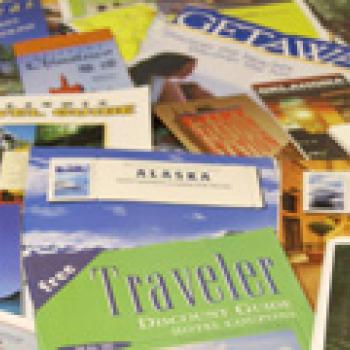
Design a Travel Brochure
Invite children and teens to create a travel brochure to share information about a special place with others.

What's in This? Investigating Nutrition Information
Encourage children and teens to make healthful food choices by having them explore the foods they eat and the ways those foods are advertised.
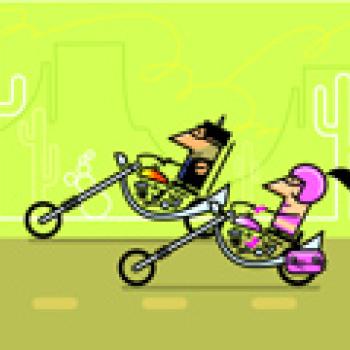
Creating Comics and Cartoons!
Using published comics and cartoons as examples, children can create their own while playing with images and language.
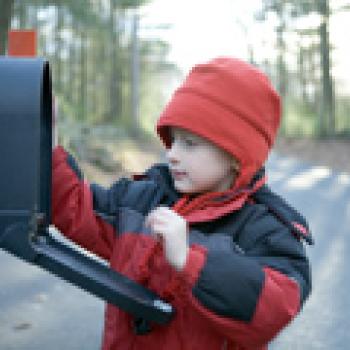
Mail Time!
Sort through your junk mail and talk about what you find for a fun literacy activity before recycling it!

Creating Family Timelines
Children can interview family members and make an illustrated timeline of the most important family events and memories.

Exploring the Library
Plan a visit to a library to discover more about this magical place.
Let's Play a Game
Playing board games or card games can be a fun activity, so why not make your own?
Fairy Tales and You
Children will draw on their knowledge of story structure and fairy tales to write their own.