ReadWriteThink - Powered by NCTE
  • About
  • Classroom Resources
    • Lesson Plans
    • Teaching Comics
    • Teaching With Primary Resources
    • Calendar
    • Printouts
    • Student Interactives
  • Collections
    • Assessment
    • Authors
    • Booklists
    • Media Literacy
    • Poetry
    • Primary Sources
    • Writing
  • Professional Development
    • Strategy Guides
    • Professional Library
    • Meetings & Events
  • Join NCTE
  • Contact Us
  • About
  • Classroom Resources
    • Lesson Plans
    • Teaching Comics
    • Teaching With Primary Resources
    • Calendar
    • Printouts
    • Student Interactives
  • Collections
    • Assessment
    • Authors
    • Booklists
    • Media Literacy
    • Poetry
    • Primary Sources
    • Writing
  • Professional Development
    • Strategy Guides
    • Professional Library
    • Meetings & Events
  • Join NCTE
  • Contact Us
  • Facebook
  • Twitter
  • Instagram
  • Pinterest
  • YouTube

Breadcrumb

  1. Home

Type

  • Classroom Resources

Grades

  • 1 (10)
  • 2 (10)
  • 5 (11)
  • 6 (16)
  • 7 (17)
  • 8 (16)
  • 9 (12)
  • 10 (11)
  • 11 (10)
  • 12 (10)
  • K (11)
  • (-) 4 (9)

Learning Objectives

  • (-) reading genres (9)
  • collaboration (8)
  • Comprehension (16)
  • critical thinking (22)
  • digital literacy (5)
  • inquiry / research (30)
  • listening (4)
  • literary analysis (3)
  • Media literacy (5)
  • metacognition (8)
  • multicultural awareness (1)
  • multimodal literacy (7)
  • oral communication (3)
  • print awareness (1)
  • reading fluency (4)
  • Spelling (1)
  • text structure / story structure (8)
  • Vocabulary (11)
  • writing genres (14)
  • writing process (15)

Topics

  • (-) science
  • arts
  • careers
  • drama
  • ELL
  • Family
  • fiction
  • Mathematics
  • nonfiction
  • poetry
  • seasons / holidays
  • social action
  • social studies / history
  • Sports
Literature as a Jumping Off Point for Nonfiction Inquiry
Grades
3 - 5
|
Lesson Plan
|
Unit
Literature as a Jumping Off Point for Nonfiction Inquiry
Students use text sets to research a topic inspired by a fiction book they have read. A text set is a collection of multiple text genres with a single focus.
Grades
3 - 5
|
Lesson Plan
|
Standard Lesson
Bridging Literature and Mathematics by Visualizing Mathematical Concepts
During interactive read-aloud sessions, students identify how an author conveys mathematical information about animals' sizes and abilities. They then conduct research projects focusing on the same mathematical concepts.

Reading in the content areas
Grades
Grades
K - 12
|
Strategy Guide Series
Reading in the Content Areas
In this Strategy Guide Series, you'll get information and ideas about teaching reading in the different content areas.
Alaska Native Stories: Using Narrative to Introduce Expository Text
Grades
3 - 5
|
Lesson Plan
|
Standard Lesson
Alaska Native Stories: Using Narrative to Introduce Expository Text
Tradition and technology come together in this lesson in which students learn about Alaskan animals through Native American tales and their own online research.
Multimedia Responses to Content Area Topics Using Fact-"Faction"-Fiction
Grades
3 - 5
|
Lesson Plan
|
Standard Lesson
Multimedia Responses to Content Area Topics Using Fact-"Faction"-Fiction

Students climb into the mind of a spider in this lesson that asks them to compose a spider diary using spider facts, fiction, and "faction"—fiction that sounds like fact.

Today is Leap Day!
Grades
3 - 7
|
Calendar Activity
|
Holiday & School Celebration
Today is Leap Day!
Our solar year is 365.24219 days. Since our calendar does not deal in partial days, every four years, we add an additional day to February.
Celebrate Kate DiCamillo's birthday today.
Grades
3 - 6
|
Calendar Activity
|
Author & Text
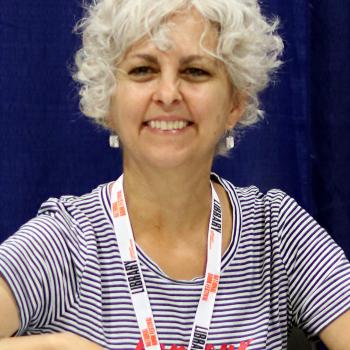
Celebrate Kate DiCamillo's birthday today.
After examining the characters in one of DiCamillo's stories, students write original short stories featuring animals as central characters.
Grades
K - 8
|
Let's Go On A Poetry Walk!

The sun is shining, the birds are chirping, and you're surrounded by brilliant shades of green! Observe and collect sensory images from nature and use the sights, sounds, smells, and textures to create original nature poetry.
Grades
3 - 5
|
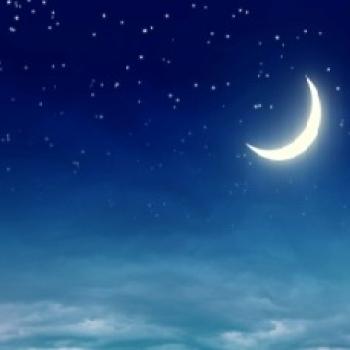
Star Light, Star Bright: Reading and Writing about the Nighttime Sky

Children watch the nighttime sky come alive as the read a book about fascinating elements in the night and write a poem/story about the things they learn!

Explore Resources by Grade

  • KindergartenK
  • 1-2
  • 3-4
  • 5-6
  • 7-8
  • 9-10
  • 11-12

RWT-logo

Powered By NCTE

Footer 1 Menu

  • About
  • Classroom Resources
  • Professional Development
  • Collections
  • Contact Us

Footer 2 Menu

  • National Council of Teachers of English
  • Contribute to RWT
  • FAQs
  • Join NCTE

Footer 3 Menu

  • Legal Notices
  • Privacy Policy
  • Promotional Materials
  • Site Demonstrations

Want to stay in touch with RWT and NCTE? Sign up here!

  • Facebook
  • Twitter
  • Instagram
  • Pinterest
  • YouTube

© NCTE 2026. All rights reserved