ReadWriteThink - Powered by NCTE
  • About
  • Classroom Resources
    • Lesson Plans
    • Teaching Comics
    • Teaching With Primary Resources
    • Calendar
    • Printouts
    • Student Interactives
  • Collections
    • Assessment
    • Authors
    • Booklists
    • Media Literacy
    • Poetry
    • Primary Sources
    • Writing
  • Professional Development
    • Strategy Guides
    • Professional Library
    • Meetings & Events
  • Join NCTE
  • Contact Us
  • About
  • Classroom Resources
    • Lesson Plans
    • Teaching Comics
    • Teaching With Primary Resources
    • Calendar
    • Printouts
    • Student Interactives
  • Collections
    • Assessment
    • Authors
    • Booklists
    • Media Literacy
    • Poetry
    • Primary Sources
    • Writing
  • Professional Development
    • Strategy Guides
    • Professional Library
    • Meetings & Events
  • Join NCTE
  • Contact Us
  • Facebook
  • Twitter
  • Instagram
  • Pinterest
  • YouTube

Breadcrumb

  1. Home

Type

  • Classroom Resources
  • Professional Development

Grades

  • 1 (6)
  • 2 (6)
  • 3 (6)
  • 5 (15)
  • 6 (19)
  • 7 (19)
  • 8 (19)
  • 9 (14)
  • 10 (12)
  • 11 (12)
  • 12 (12)
  • K (4)
  • (-) 4 (8)

Learning Objectives

  • (-) metacognition (8)
  • Comprehension (16)
  • critical thinking (22)
  • digital literacy (5)
  • inquiry / research (30)
  • listening (4)
  • literary analysis (3)
  • Media literacy (5)
  • multicultural awareness (1)
  • multimodal literacy (7)
  • oral communication (3)
  • print awareness (1)
  • reading fluency (4)
  • reading genres (9)
  • Spelling (1)
  • Vocabulary (11)
  • writing genres (14)
  • writing process (15)

Topics

  • (-) science
  • arts
  • careers
  • community
  • drama
  • ELL
  • Family
  • fiction
  • Mathematics
  • Mobile Learning
  • nonfiction
  • poetry
  • seasons / holidays
  • social action
  • social studies / history
  • Sports
  • STEM
Creative Writing in the Natural World: A Framing
Grades
4 - 8
|
Lesson Plan
|
Minilesson
Creative Writing in the Natural World: A Framing
Students practice writing detailed, sensory-rich descriptions by framing a small piece of nature and freewriting about it. From this minilesson, students can develop a variety of types of writing.
Using Generative Sentences to Apply Academic Vocabulary
Grades
Grades
4 - 12
|
Strategy Guide
Using Generative Sentences to Apply Academic Vocabulary
In this guide, you will learn how to use generative sentences to give students opportunities to apply their knowledge of new words in writing.
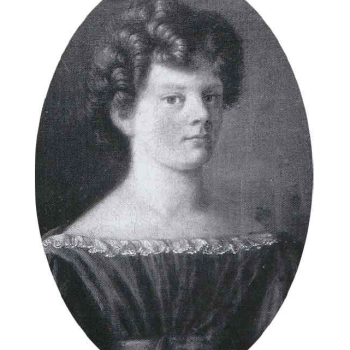
<em>Black Beauty</em> author Anna Sewell was born in 1820.
Grades
3 - 12
|
Calendar Activity
|
Author & Text
Black Beauty author Anna Sewell was born in 1820.
Through Sewell's novel, students explore the cruelty to animals and extend the discussion to current events, eventually presenting the information.
On this day in 1910, animal rights activist Joy Adamson was born.
Grades
K - 6
|
Calendar Activity
|
Historical Figure & Event
On this day in 1910, animal rights activist Joy Adamson was born.
A KWL chart is used to organize information about lions. Persuasive letters are written lobbying for programs and resources to protect these animals.
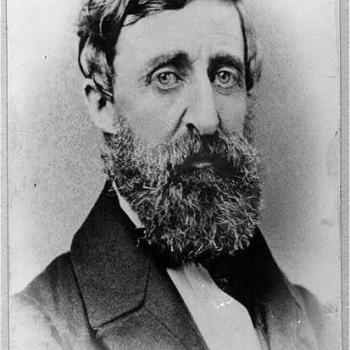
Henry David Thoreau was born in 1817.
Grades
1 - 12
|
Calendar Activity
|
Author & Text
Henry David Thoreau was born in 1817.
Students make mental "snapshots" of a natural setting, then capture the details of their setting by writing and then creating a class booklet of the nature walk.
Grades
K - 6
|
The Natural World as Inspiration: An Outdoor Art Show

Children incorporate materials from outdoors with paints or crayons to create pieces of art to display on their clotheslines, fences, or porches for a neighborhood art show.

The Smithsonian Institution was founded in 1846.
Grades
1 - 8
|
Calendar Activity
|
Historical Figure & Event
The Smithsonian Institution was founded in 1846.
After exploring an exhibit online, students use the information they learned to write "A Day in the Life" narratives that tell about a person, animal, or object they saw in the exhibit.
Monarch butterflies begin their migration in the fall.
Grades
K - 6
|
Calendar Activity
|
Holiday & School Celebration
Monarch butterflies begin their migration in the fall.
After exploring the ways that monarch butterflies react to seasons, students complete an inquiry study to examine how other things change because of the seasons and create a class anthology.

Explore Resources by Grade

  • KindergartenK
  • 1-2
  • 3-4
  • 5-6
  • 7-8
  • 9-10
  • 11-12

RWT-logo

Powered By NCTE

Footer 1 Menu

  • About
  • Classroom Resources
  • Professional Development
  • Collections
  • Contact Us

Footer 2 Menu

  • National Council of Teachers of English
  • Contribute to RWT
  • FAQs
  • Join NCTE

Footer 3 Menu

  • Legal Notices
  • Privacy Policy
  • Promotional Materials
  • Site Demonstrations

Want to stay in touch with RWT and NCTE? Sign up here!

  • Facebook
  • Twitter
  • Instagram
  • Pinterest
  • YouTube

© NCTE 2026. All rights reserved