ReadWriteThink - Powered by NCTE
  • About
  • Classroom Resources
    • Lesson Plans
    • Teaching Comics
    • Teaching With Primary Resources
    • Calendar
    • Printouts
    • Student Interactives
  • Collections
    • Assessment
    • Authors
    • Booklists
    • Media Literacy
    • Poetry
    • Primary Sources
    • Writing
  • Professional Development
    • Strategy Guides
    • Professional Library
    • Meetings & Events
  • Join NCTE
  • Contact Us
  • About
  • Classroom Resources
    • Lesson Plans
    • Teaching Comics
    • Teaching With Primary Resources
    • Calendar
    • Printouts
    • Student Interactives
  • Collections
    • Assessment
    • Authors
    • Booklists
    • Media Literacy
    • Poetry
    • Primary Sources
    • Writing
  • Professional Development
    • Strategy Guides
    • Professional Library
    • Meetings & Events
  • Join NCTE
  • Contact Us
  • Facebook
  • Twitter
  • Instagram
  • Pinterest
  • YouTube

Breadcrumb

  1. Home

Type

  • Classroom Resources
  • Professional Development

Grades

  • 1 (16)
  • 2 (17)
  • 3 (16)
  • 4 (16)
  • 5 (17)
  • 7 (13)
  • 8 (13)
  • 9 (7)
  • 10 (6)
  • 11 (6)
  • 12 (6)
  • K (15)
  • (-) 6 (14)

Learning Objectives

  • (-) Comprehension (14)
  • collaboration (17)
  • critical thinking (43)
  • digital literacy (12)
  • Grammar (1)
  • inquiry / research (36)
  • listening (5)
  • literary analysis (6)
  • Media literacy (13)
  • metacognition (19)
  • multicultural awareness (1)
  • multimodal literacy (12)
  • oral communication (9)
  • print awareness (3)
  • reading fluency (2)
  • reading genres (16)
  • Spelling (1)
  • text structure / story structure (8)
  • Vocabulary (17)
  • writing genres (19)
  • writing process (16)

Topics

  • (-) science
  • arts
  • careers
  • community
  • drama
  • Family
  • fiction
  • Mathematics
  • Mobile Learning
  • nonfiction
  • poetry
  • seasons / holidays
  • social action
  • social studies / history
  • Sports
  • STEM
Finding the Science Behind Science Fiction through Paired Readings
Grades
6 - 8
|
Lesson Plan
|
Standard Lesson
Finding the Science Behind Science Fiction through Paired Readings
Students read science fiction texts and then use nonfiction texts to extrapolate the scientific principles presented as they discuss the "what ifs" within the context of scientific principles.
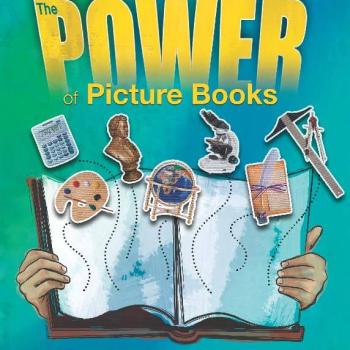
Power of Picture Books, The: Using Content Area Literature in Middle School
Grades
5 - 9
|
Professional Library
|
Book
Power of Picture Books, The: Using Content Area Literature in Middle School
Featuring descriptions and activities for fifty exceptional titles, Mary Jo Fresch and Peggy Harkins offer a wealth of ideas for harnessing the power of picture books to improve reading and writing in the content areas.

Grades
6 - 12
|
Nonfiction Roundup

With each annual crop of new nonfiction, teens have the opportunity to discover and explore new disciplinary worlds. Tune in to hear about an array of recently-published nonfiction titles that will engage teens in learning about history, science, economics, and medicine. You'll hear about junk food and advertising, the atomic bomb and civil rights, bird watching and volcanoes – books written in a variety of formats for a variety of teen readers.

Socratic Seminars
Grades
Grades
6 - 12
|
Strategy Guide
Socratic Seminars
This strategy guide explains Socratic seminars and offers practical methods for applying the approach in your classroom to help students investigate multiple perspectives in a text.
Using Word Walls to Develop and Maintain Academic Vocabulary
Grades
Grades
K - 12
|
Strategy Guide
Using Word Walls to Develop and Maintain Academic Vocabulary
In this guide, you will learn how to use Word Walls to support vocabulary development and retention.

Discovering Memory: Li-Young Lee's Poem "Mnemonic" and the Brain
Grades
6 - 8
|
Lesson Plan
|
Unit
Discovering Memory: Li-Young Lee's Poem "Mnemonic" and the Brain
Students learn about memory by doing a memory-writing exercise, studying the brain to understand how it affects memory, reading Li-Young Lee's poem "Mnemonic," and creating projects to demonstrate their understanding.

Textmasters: Shaking Up Textbook Reading in Science Classrooms
Grades
6 - 8
|
Lesson Plan
|
Standard Lesson
Textmasters: Shaking Up Textbook Reading in Science Classrooms
Engage students in content area reading with the Textmasters strategy, which allows students to collaborate with their peers in different roles that enable better understanding of the content.
Critical Literacy in Action: Multimodal Texts on Global Warming
Grades
6 - 8
|
Lesson Plan
|
Standard Lesson
Critical Literacy in Action: Multimodal Texts on Global Warming
Students will really warm up to this lesson about global warming as they study multimedia materials and use a variety of comprehension strategies.

Grades
6 - 8
|
Lesson Plan
|
Standard Lesson
Nature Study Outdoor Treasure Hunts (with Spanish language option)
Students take a walk on the wild side when they research an animal and create a scavenger hunt activity for their classmates.
Astronomy Poetry: Combining Poetry With the Content Areas
Grades
6 - 8
|
Lesson Plan
|
Unit
Astronomy Poetry: Combining Poetry With the Content Areas
Students' responses to this lesson will be out of this world after they've researched astronomy to write poetry and compile a poetry book.
Grades
6 - 8
|
Lesson Plan
|
Unit
The Big, Bad Wolf...Is This a Fact?
Reading is revamped in this lesson in which students use a multimedia approach to study the books by Seymour Simon.
Celebrate Kate DiCamillo's birthday today.
Grades
3 - 6
|
Calendar Activity
|
Author & Text
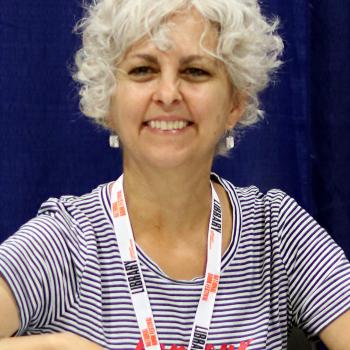
Celebrate Kate DiCamillo's birthday today.
After examining the characters in one of DiCamillo's stories, students write original short stories featuring animals as central characters.
Grades
K - 6
|
The Natural World as Inspiration: An Outdoor Art Show

Children incorporate materials from outdoors with paints or crayons to create pieces of art to display on their clotheslines, fences, or porches for a neighborhood art show.
Grades
K - 8
|
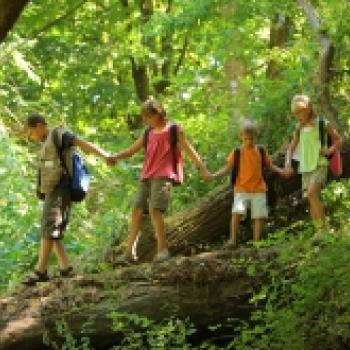
Let's Go On A Poetry Walk!

The sun is shining, the birds are chirping, and you're surrounded by brilliant shades of green! Observe and collect sensory images from nature and use the sights, sounds, smells, and textures to create original nature poetry.

Explore Resources by Grade

  • KindergartenK
  • 1-2
  • 3-4
  • 5-6
  • 7-8
  • 9-10
  • 11-12

RWT-logo

Powered By NCTE

Footer 1 Menu

  • About
  • Classroom Resources
  • Professional Development
  • Collections
  • Contact Us

Footer 2 Menu

  • National Council of Teachers of English
  • Contribute to RWT
  • FAQs
  • Join NCTE

Footer 3 Menu

  • Legal Notices
  • Privacy Policy
  • Promotional Materials
  • Site Demonstrations

Want to stay in touch with RWT and NCTE? Sign up here!

  • Facebook
  • Twitter
  • Instagram
  • Pinterest
  • YouTube

© NCTE 2026. All rights reserved