ReadWriteThink - Powered by NCTE
  • About
  • Classroom Resources
    • Lesson Plans
    • Teaching Comics
    • Teaching With Primary Resources
    • Calendar
    • Printouts
    • Student Interactives
  • Collections
    • Assessment
    • Authors
    • Booklists
    • Media Literacy
    • Poetry
    • Primary Sources
    • Writing
  • Professional Development
    • Strategy Guides
    • Professional Library
    • Meetings & Events
  • Join NCTE
  • Contact Us
  • About
  • Classroom Resources
    • Lesson Plans
    • Teaching Comics
    • Teaching With Primary Resources
    • Calendar
    • Printouts
    • Student Interactives
  • Collections
    • Assessment
    • Authors
    • Booklists
    • Media Literacy
    • Poetry
    • Primary Sources
    • Writing
  • Professional Development
    • Strategy Guides
    • Professional Library
    • Meetings & Events
  • Join NCTE
  • Contact Us
  • Facebook
  • Twitter
  • Instagram
  • Pinterest
  • YouTube

Breadcrumb

  1. Home

Type

  • (-) Recurring Lesson

Grades

  • 1 (3)
  • 2 (2)
  • 3 (8)
  • 4 (8)
  • 5 (8)
  • 7 (3)
  • 8 (3)
  • 9 (1)
  • 10 (1)
  • 11 (1)
  • 12 (1)
  • K (3)
  • (-) 6 (5)

Learning Objectives

  • (-) Vocabulary (5)
  • collaboration (7)
  • Comprehension (14)
  • critical thinking (7)
  • digital literacy (3)
  • listening (1)
  • literary analysis (3)
  • Media literacy (2)
  • metacognition (8)
  • oral communication (2)
  • print awareness (1)
  • reading fluency (1)
  • reading genres (2)
  • Spelling (2)
  • text structure / story structure (2)
  • writing genres (1)
  • writing process (3)

Topics

  • arts
  • drama
  • Family
  • fiction
  • nonfiction
Grades
6 - 8
|
Lesson Plan
|
Recurring Lesson
Flip-a-Chip: Examining Affixes and Roots to Build Vocabulary

Do your students detest having to define vocabulary words? Don"t confine them to worksheets—turn the study of affixes and roots into a hands-on contest to create context-rich vocabulary puzzles.

Guided Comprehension: Knowing How Words Work Using Semantic Feature Analysis
Grades
3 - 6
|
Lesson Plan
|
Recurring Lesson
Guided Comprehension: Knowing How Words Work Using Semantic Feature Analysis
Based on the Guided Comprehension Model developed by Maureen McLaughlin and Mary Beth Allen, this lesson introduces students to the comprehension strategy of knowing how words work.

Grades
6 - 8
|
Lesson Plan
|
Recurring Lesson
Choosing, Chatting, and Collecting: Vocabulary Self-Collection Strategy
Students identify interesting words from Shakespeare's plays and add them to a classroom vocabulary collection.

Using Story Innovation to Teach Fluency, Vocabulary, and Structure
Grades
3 - 6
|
Lesson Plan
|
Recurring Lesson
Using Story Innovation to Teach Fluency, Vocabulary, and Structure
An instructional strategy called story innovation teaches students fluency, comprehension, vocabulary, and story structure. This unique strategy can be adapted for many purposes.
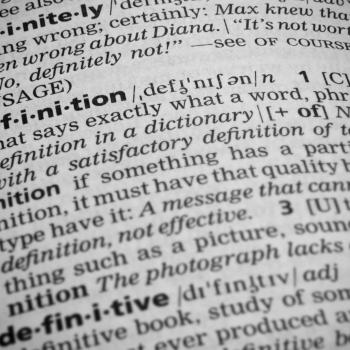
Using a Word Journal to Create a Personal Dictionary
Grades
6 - 8
|
Lesson Plan
|
Recurring Lesson
Using a Word Journal to Create a Personal Dictionary
Students will be the definition of vocabulary experts as they use the skills they learn in this lesson to track, define, and ultimately master unfamiliar words.

Explore Resources by Grade

  • KindergartenK
  • 1-2
  • 3-4
  • 5-6
  • 7-8
  • 9-10
  • 11-12

RWT-logo

Powered By NCTE

Footer 1 Menu

  • About
  • Classroom Resources
  • Professional Development
  • Collections
  • Contact Us

Footer 2 Menu

  • National Council of Teachers of English
  • Contribute to RWT
  • FAQs
  • Join NCTE

Footer 3 Menu

  • Legal Notices
  • Privacy Policy
  • Promotional Materials
  • Site Demonstrations

Want to stay in touch with RWT and NCTE? Sign up here!

  • Facebook
  • Twitter
  • Instagram
  • Pinterest
  • YouTube

© NCTE 2026. All rights reserved