ReadWriteThink - Powered by NCTE
  • About
  • Classroom Resources
    • Lesson Plans
    • Teaching Comics
    • Teaching With Primary Resources
    • Calendar
    • Printouts
    • Student Interactives
  • Collections
    • Assessment
    • Authors
    • Booklists
    • Media Literacy
    • Poetry
    • Primary Sources
    • Writing
  • Professional Development
    • Strategy Guides
    • Professional Library
    • Meetings & Events
  • Join NCTE
  • Contact Us
  • About
  • Classroom Resources
    • Lesson Plans
    • Teaching Comics
    • Teaching With Primary Resources
    • Calendar
    • Printouts
    • Student Interactives
  • Collections
    • Assessment
    • Authors
    • Booklists
    • Media Literacy
    • Poetry
    • Primary Sources
    • Writing
  • Professional Development
    • Strategy Guides
    • Professional Library
    • Meetings & Events
  • Join NCTE
  • Contact Us
  • Facebook
  • Twitter
  • Instagram
  • Pinterest
  • YouTube

Breadcrumb

  1. Home

Type

  • Classroom Resources
  • Professional Development

Grades

  • 1 (45)
  • 2 (47)
  • 3 (67)
  • 4 (72)
  • 5 (85)
  • 7 (106)
  • 8 (107)
  • 9 (106)
  • 10 (103)
  • 11 (101)
  • 12 (100)
  • K (42)
  • (-) 6 (99)

Learning Objectives

  • (-) oral communication (99)
  • collaboration (177)
  • Comprehension (222)
  • critical thinking (332)
  • digital literacy (80)
  • Grammar (20)
  • inquiry / research (178)
  • listening (70)
  • literary analysis (130)
  • Media literacy (102)
  • metacognition (175)
  • multicultural awareness (52)
  • multimodal literacy (132)
  • phonological awareness (2)
  • print awareness (34)
  • reading fluency (19)
  • reading genres (147)
  • Spelling (12)
  • text structure / story structure (104)
  • Vocabulary (82)
  • writing genres (160)
  • writing process (150)

Topics

  • arts
  • careers
  • community
  • drama
  • ELL
  • Family
  • fiction
  • Mobile Learning
  • nonfiction
  • poetry
  • science
  • seasons / holidays
  • social action
  • social studies / history
  • Sports
  • STEM
Go Public!: Encouraging Student Writers to Publish
Grades
6 - 12
|
Professional Library
|
Book
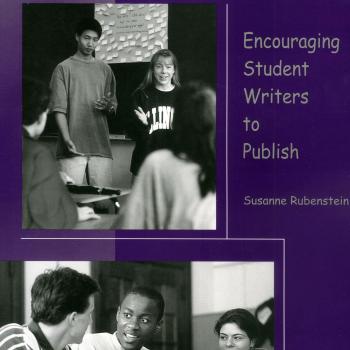
Go Public!: Encouraging Student Writers to Publish
Intended for middle and high school teachers, Go Public! offers specific writing ideas and classroom activities to help students develop the confidence and ability to publish in a wide market.
6 - 12

Write an Illustrated “I Am” Poem in Comic-Book Style

Teaching Comics
6 - 8

Character Traits: Character Analysis through Comics: Digging Into Body Biography

Teaching Comics
6 - 12

Comics as a Gateway to Stronger Writing

Teaching Comics
Swish! Pow! Whack! Teaching Onomatopoeia Through Sports Poetry
Grades
6 - 8
|
Lesson Plan
|
Standard Lesson
Swish! Pow! Whack! Teaching Onomatopoeia Through Sports Poetry
Students explore poetry about sports, looking closely at the use of onomatopoeia. After viewing a segment of a sporting event, students create their own onomatopoeic sports poems.

Copyright Law: From Digital Reprints to Downloads
Grades
6 - 8
|
Lesson Plan
|
Standard Lesson
Copyright Law: From Digital Reprints to Downloads
Students investigate how and why copyright law has changed over time, and apply this information to recent copyright issues, creating persuasive arguments based on the perspective of a particular group.
Creating a Persuasive Podcast
Grades
6 - 10
|
Lesson Plan
|
Standard Lesson
Creating a Persuasive Podcast
Students learn how to get their voice out on the web when they research issues important to them and compose a persuasive podcast to post online.

Thoughtful Threads: Sparking Rich Online Discussions
Grades
5 - 12
|
Lesson Plan
|
Standard Lesson
Thoughtful Threads: Sparking Rich Online Discussions
Today's students love chatting online with friends. This lesson combines that love with literature. Students form literature circles and have meaningful online discussions about a literary work.
Grades
6 - 8
|
Lesson Plan
|
Unit
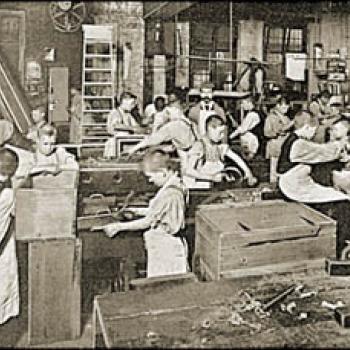
Giving Voice to Child Laborers Through Monologues
Students present monologues in the "voice" of someone involved in child labor in England, respond to questions, and then discuss contemporary child laborers and compare them to the past.

Grades
4 - 8
|
Lesson Plan
|
Standard Lesson
Using Word Webs to Teach Synonyms for Commonly Used Words
Students use word webs to choose synonyms for generic adjectives and to learn to adjust their word usage for different contexts.

Reciprocal Revision: Making Peer Feedback Meaningful
Grades
6 - 8
|
Lesson Plan
|
Standard Lesson
Reciprocal Revision: Making Peer Feedback Meaningful
Interpreting art is a subjective process. In this lesson, students write written responses analyzing a work of art and use feedback from their peers to revise or confirm their initial responses.
Grades
6 - 8
|
Lesson Plan
|
Recurring Lesson
Choosing, Chatting, and Collecting: Vocabulary Self-Collection Strategy
Students identify interesting words from Shakespeare's plays and add them to a classroom vocabulary collection.

Making Memories: An End-of-Year Digital Scrapbook
Grades
6 - 8
|
Lesson Plan
|
Standard Lesson
Making Memories: An End-of-Year Digital Scrapbook
Students reflect on their school year, creating a digital scrapbook consisting of images and text to present to their school community.

Using Children's Literature to Develop Classroom Community
Grades
3 - 6
|
Lesson Plan
|
Standard Lesson
Using Children's Literature to Develop Classroom Community
Conversation and cooperation bring out the best in students when they hold dialogues about their individual strengths, abilities, and talents.
Using Technology to Analyze and Illustrate Symbolism in <em>Night</em>
Grades
6 - 8
|
Lesson Plan
|
Standard Lesson
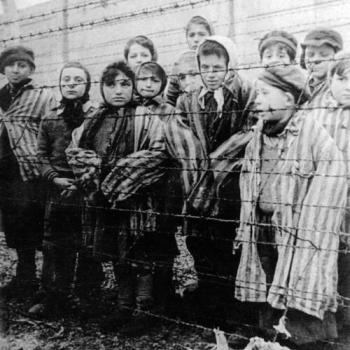
Using Technology to Analyze and Illustrate Symbolism in Night
Images have power—they can trigger memories or symbolize abstract ideas. Students put the power of images to the test as they analyze symbolism in Night and create symbolic photomontages.
Seeing Integration From Different Viewpoints
Grades
6 - 8
|
Lesson Plan
|
Standard Lesson
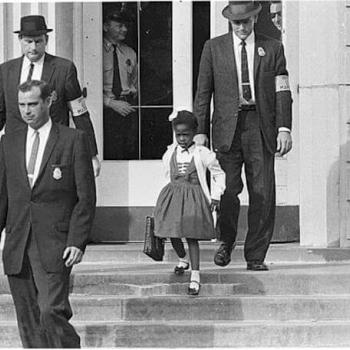
Seeing Integration From Different Viewpoints
What does the world look like through someone else's eyes? Guide students in using colorful paper glasses to examine a story of school desegregation from multiple perspectives.
Grades
6 - 8
|
Lesson Plan
|
Unit
Exploring and Sharing Family Stories
Writing gets personal when students interview family members in order to write a personal narrative about that person.
Give Them a Hand: Promoting Positive Interaction in Literature Circles
Grades
6 - 8
|
Lesson Plan
|
Standard Lesson
Give Them a Hand: Promoting Positive Interaction in Literature Circles
Students circle their desks as they analyze their own participation within a small group discussion.
A World of Readers: Libraries Around the World
Grades
6 - 8
|
Lesson Plan
|
Standard Lesson
A World of Readers: Libraries Around the World
Bookworms will enjoy the bytes they find in this lesson as they research and share information about online library services in places around the world.

Crit Lit for Kids: From Critical Consciousness to Service Learning
Grades
6 - 8
|
Lesson Plan
|
Unit
Crit Lit for Kids: From Critical Consciousness to Service Learning
Students take their ideas from the classroom page to the community pavement when they participate in a service-learning project based on their multimedia presentations.

Pagination

  • First page « First
  • Previous page ‹‹
  • Page 1
  • Page 2
  • Page 3
  • Page 4
  • Page 5
  • Next page ››
  • Last page Last »

Explore Resources by Grade

  • KindergartenK
  • 1-2
  • 3-4
  • 5-6
  • 7-8
  • 9-10
  • 11-12

RWT-logo

Powered By NCTE

Footer 1 Menu

  • About
  • Classroom Resources
  • Professional Development
  • Collections
  • Contact Us

Footer 2 Menu

  • National Council of Teachers of English
  • Contribute to RWT
  • FAQs
  • Join NCTE

Footer 3 Menu

  • Legal Notices
  • Privacy Policy
  • Promotional Materials
  • Site Demonstrations

Want to stay in touch with RWT and NCTE? Sign up here!

  • Facebook
  • Twitter
  • Instagram
  • Pinterest
  • YouTube

© NCTE 2026. All rights reserved