Students explore the idea of "crossing boundaries" through bilingual, spoken-word poetry, culminating in a poetry slam at school or in the community.
Crossing Boundaries Through Bilingual, Spoken-Word Poetry
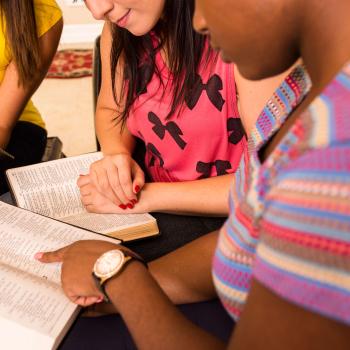
Accountable Book Clubs: Focused Discussions
Students form literature circles, read Esperanza Rising or Becoming Naomi Leon by Pam Munoz Ryan, use a Critical Thinking Map to discuss social issues, and use a class wiki.
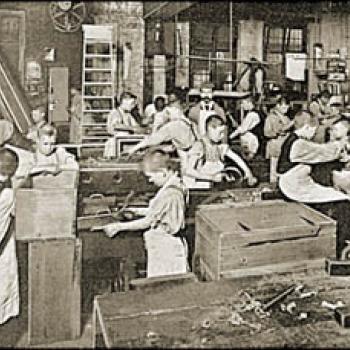
Giving Voice to Child Laborers Through Monologues
Students present monologues in the "voice" of someone involved in child labor in England, respond to questions, and then discuss contemporary child laborers and compare them to the past.

Finding Solutions to Food Waste: Persuasion in a Digital World
Using various reading strategies and resources, students explore the issue of food waste. They also create persuasive arguments and blog posts examining this topic.
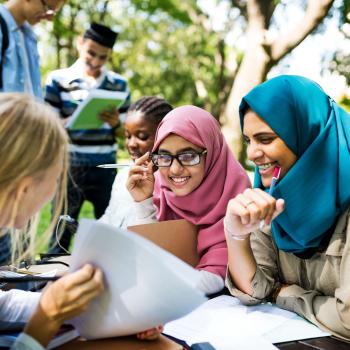
A Portrait of Our World: Making Connections and Developing Comprehension
Students engage in carousel walks, character analyses, global explorations, and genre studies while using valuable language arts strategies to build higher-level comprehension skills.
Crit Lit for Kids: From Critical Consciousness to Service Learning
Students take their ideas from the classroom page to the community pavement when they participate in a service-learning project based on their multimedia presentations.

Fighting Injustice by Studying Lessons of the Past
Social injustice occurs every day all over the world. In this lesson, students research a few historical examples of social injustice, including the Holocaust, the Trail of Tears, and Japanese internment.

Using Picture Books to Explore Identity, Stereotyping, and Discrimination
Students analyze the concepts of identity, stereotyping, and discrimination by reading picture books; identify how these concepts are dealt with in each book; and discuss concrete actions to stop discrimination.