ReadWriteThink - Powered by NCTE
  • About
  • Classroom Resources
    • Lesson Plans
    • Teaching Comics
    • Teaching With Primary Resources
    • Calendar
    • Printouts
    • Student Interactives
  • Collections
    • Assessment
    • Authors
    • Booklists
    • Media Literacy
    • Poetry
    • Primary Sources
    • Writing
  • Professional Development
    • Strategy Guides
    • Professional Library
    • Meetings & Events
  • Join NCTE
  • Contact Us
  • About
  • Classroom Resources
    • Lesson Plans
    • Teaching Comics
    • Teaching With Primary Resources
    • Calendar
    • Printouts
    • Student Interactives
  • Collections
    • Assessment
    • Authors
    • Booklists
    • Media Literacy
    • Poetry
    • Primary Sources
    • Writing
  • Professional Development
    • Strategy Guides
    • Professional Library
    • Meetings & Events
  • Join NCTE
  • Contact Us
  • Facebook
  • Twitter
  • Instagram
  • Pinterest
  • YouTube

Breadcrumb

  1. Home

Type

  • (-) Lesson Plan
    • Standard Lesson
    • Unit

Grades

  • 1 (24)
  • 2 (21)
  • 3 (13)
  • 4 (11)
  • 5 (13)
  • 6 (11)
  • 9 (10)
  • 11 (8)
  • 12 (8)
  • K (25)
  • (-) 8 (9)

Learning Objectives

  • (-) print awareness (9)
  • collaboration (96)
  • Comprehension (102)
  • critical thinking (112)
  • digital literacy (54)
  • Grammar (13)
  • inquiry / research (77)
  • listening (23)
  • literary analysis (80)
  • Media literacy (49)
  • metacognition (46)
  • multicultural awareness (20)
  • multimodal literacy (69)
  • oral communication (50)
  • reading fluency (7)
  • reading genres (41)
  • Spelling (8)
  • text structure / story structure (34)
  • Vocabulary (43)
  • writing genres (80)
  • writing process (100)

Topics

  • arts
  • community
  • drama
  • ELL
  • Family
  • fiction
  • nonfiction
  • poetry
  • science
  • social studies / history
Songs of Our Lives: Using Lyrics to Write Stories
Grades
5 - 10
|
Lesson Plan
|
Standard Lesson
Songs of Our Lives: Using Lyrics to Write Stories
Students learn about the life and music of John Lennon, write a short story from their lives integrating lyrics from some of their favorite songs, and create a class book of stories.

Cut up, Cover up, and Come Away with Ideas for Writing!
Grades
6 - 8
|
Lesson Plan
|
Standard Lesson
Cut up, Cover up, and Come Away with Ideas for Writing!
Students rework their forgotten/abandoned drafts by cutting and covering up selected words. By creatively manipulating text, they explore portal writing, a strategy for envisioning a new story or story direction.
<em>The Mysteries of Harris Burdick</em>: Using Illustrations to Guide Writing
Grades
5 - 9
|
Lesson Plan
|
Standard Lesson
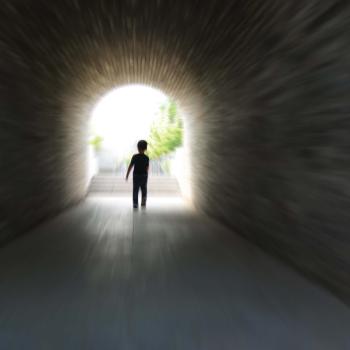
The Mysteries of Harris Burdick: Using Illustrations to Guide Writing
Students use illustrations from The Mysteries of Harris Burdick as a guide to write mysteries and then present their stories to the class for students to discuss to which illustration each story corresponds.
Timelines and Texts: Motivating Students to Read Nonfiction
Grades
6 - 8
|
Lesson Plan
|
Standard Lesson
Timelines and Texts: Motivating Students to Read Nonfiction
In an effort to help motivate students to read nonfiction, students are challenged to use a timeline to help them name the year when certain products were invented.

When I Was Young In...A Literature to Language Experience
Grades
6 - 8
|
Lesson Plan
|
Unit
When I Was Young In...A Literature to Language Experience
Past meets present in this lesson in which students practice verb tense when they write personal short stories that they then publish in a flip book.

Grades
6 - 8
|
Lesson Plan
|
Standard Lesson
Collaborating, Writing, Linking: Using Wikis to Tell Stories Online
Students become online authors in this lesson in which they write and post a short story using wiki technology.
Using THIEVES to Preview Nonfiction Texts
Grades
6 - 8
|
Lesson Plan
|
Standard Lesson
Using THIEVES to Preview Nonfiction Texts
Students become "thieves" in this lesson as they use a previewing strategy to "steal" information from textbooks and other nonfiction texts before actually reading them.
Compare and Contrast Electronic Text With Traditionally Printed Text
Grades
6 - 8
|
Lesson Plan
|
Standard Lesson
Compare and Contrast Electronic Text With Traditionally Printed Text
Students become familiar with the similarities and differences between electronic and printed text by comparing the textual aids included in a textbook with those of an educational website.
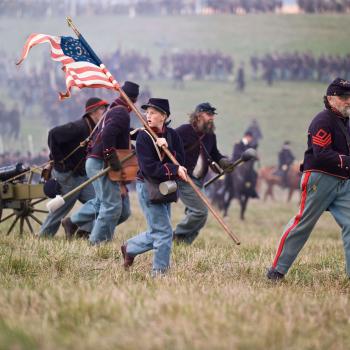
Comparing Electronic and Print Texts About the Civil War Soldier
Grades
6 - 8
|
Lesson Plan
|
Standard Lesson
Comparing Electronic and Print Texts About the Civil War Soldier
Which side will win as students investigate both sides of the battle of using print versus online text for research as they learn about the lives of Civil War soldiers?

Explore Resources by Grade

  • KindergartenK
  • 1-2
  • 3-4
  • 5-6
  • 7-8
  • 9-10
  • 11-12

RWT-logo

Powered By NCTE

Footer 1 Menu

  • About
  • Classroom Resources
  • Professional Development
  • Collections
  • Contact Us

Footer 2 Menu

  • National Council of Teachers of English
  • Contribute to RWT
  • FAQs
  • Join NCTE

Footer 3 Menu

  • Legal Notices
  • Privacy Policy
  • Promotional Materials
  • Site Demonstrations

Want to stay in touch with RWT and NCTE? Sign up here!

  • Facebook
  • Twitter
  • Instagram
  • Pinterest
  • YouTube

© NCTE 2026. All rights reserved