Through Voki, a Web 2.0 tool, students create customizable avatars for class presentations for various purposes, such as presenting biographical information, expressing an opinion, or reading a poem.

Speak to Me: Teaching with Voki

Promoting Student-Directed Inquiry with the I-Search Paper
The sense of curiosity behind research writing gets lost in some school-based assignments. This Strategy Guide provides the foundation for cultivating interest and authority through I-Search writing, including publishing online.

Inquiry Charts (I-Charts)
This guide introduces I-Charts, a strategy that enables students to generate meaningful questions about a topic and organize their writing.
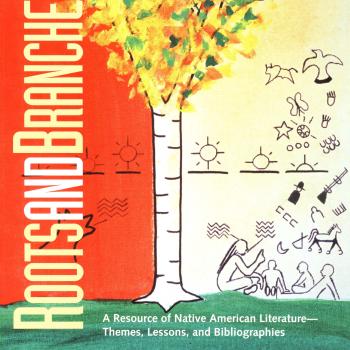
Roots and Branches: A Resource of Native American Literature
This valuable resource book offers teachers an opportunity to learn and to teach about Native American literatures in context. Susag examines the historical and literary contexts that frame the literary work of Native peoples.
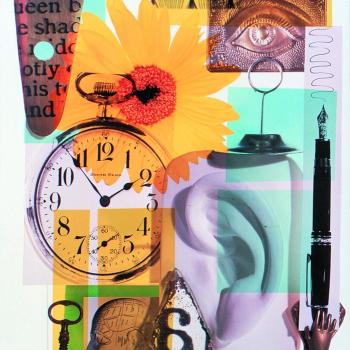
Literary Terms: A Practical Glossary
Literary Terms: A Practical Glossary provides up-to-date definitions, drawing on recent developments in literary theory and emphasizing the role of reading practices in the reproduction of literary meanings. Unlike other glossaries, it includes brief activities to help students develop a working knowledge of the concepts.
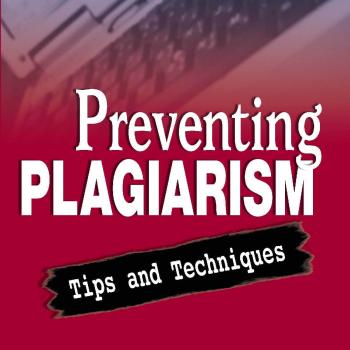
Preventing Plagiarism: Tips and Techniques
DeSena offers a practical guide on how high school and college teachers can structure assignments and guide students so that students don't plagiarize.

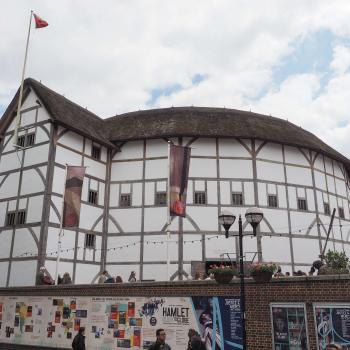
All's Well that Sells Well: A Creative Introduction to Shakespeare
Students compare attending a performance at The Globe Theater with attending a modern theater production or movie. They then create a commercial for an Elizabethan audience promoting a modern product.
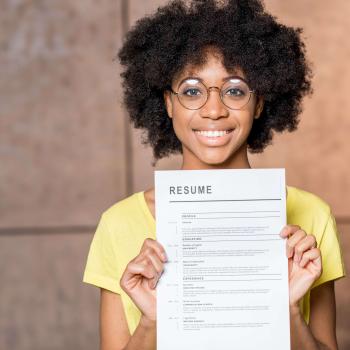
Help Wanted: Writing Professional Resumes
Students will create a beginning resume that represents their current work experience and demonstrates their knowledge of rhetorical situations for professional writing.

Designing Effective Poster Presentations
Students explore the genre of posters, review informational writing and visual design, and then design poster presentations to share in class or at a school-wide fair.
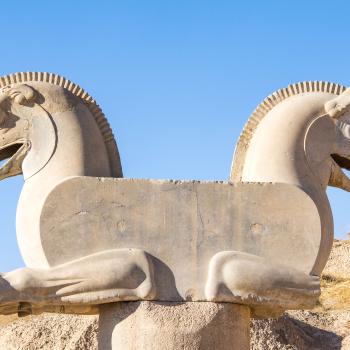
Gaining Background for the Graphic Novel Persepolis: A WebQuest on Iran
To prepare students for reading the graphic novel Persepolis, this lesson uses a WebQuest to focus students' research on finding reliable information about Iran before and during the Islamic Revolution.

Connecting Past and Present: A Local Research Project
In this unit, students become active archivists, gathering photos, artifacts, and stories for a museum exhibit that highlights one decade in their school's history.

Making It Visual for ELL Students: Teaching History Using Maus
Spark the engagement of English-language learners or reluctant readers with the graphic novel Maus. The visual information provided by the genre serves as a support for reading and critical engagement.

Creating a Persuasive Podcast
Students learn how to get their voice out on the web when they research issues important to them and compose a persuasive podcast to post online.

Latino Poetry Blog: Blogging as a Forum for Open Discussion
In this lesson, students use blogs to hold discussions about the effect of the factors of culture, history, and environment on Latino poetry.

Hoax or No Hoax? Strategies for Online Comprehension and Evaluation
Are your students easily fooled? You'll find out in this lesson in which students carefully and critically examine hoax websites to determine their validity.