As part of the NCTE High School Literature Series, Tim O'Brien in the Classroom focuses on opportunities for classroom discussion and writing assignments, including lessons, open-ended prompts, and student writing samples.

Tim O'Brien in the Classroom: "This too is true: Stories can save us"
A Failure of the Imagination
This article discusses the imaginative activities and assignments that teachers often assign that violate the text around which the lesson is focused and that mislead students about its meaning.
Finding the Thread: Character, Setting, and Theme
An annotated bibliography of books that exemplify the plot elements, character, setting, and theme. Includes guidelines on how to do a book talk.
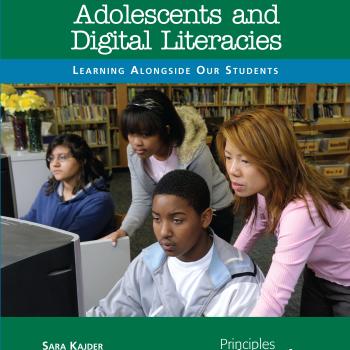
Adolescents and Digital Literacies: Learning Alongside Our Students
This book isn't about technology. It's about the teaching practices that technology enables. This book addresses the ways in which teachers and students work together to navigate continuous change and what it means to read, write, view, listen, and communicate in the twenty-first century.
Multigenre, Multiple Intelligences, and Transcendentalism
Colleen A. Ruggieri offers a multigenre, mulltiple intelligences unit on transcendentalism complete with suggested texts and an assessment plan.

Re-envisioning Research
Describes a research paper in the author's high school English classroom which connected to the lives and interests of students, who delved into community problems with as much rigor (and using many types of research as traditional essays exploring arcane philosophical questions). Describes creating a context for exploration, and students' final projects.
Analyzing Grammar Rants: An Alternative to Traditional Grammar Instruction
Kenneth Lindblom and Patricia A. Dunn teach language awareness and use through published complaints about the teaching of grammar. Students are able to recognize issues of race and class that determine acceptable usage and learn the importance of audience in their own language use.
Technology in the Language Arts classroom: Is It Worth the Trouble?
Suggests the authentic audience found on the Internet has a profound effect on the quality of student writing in all grades, and that the key to successful technology projects is integrating them into the curriculum so that computers are a means, not an end. Offers ideas for classroom activities and projects using stand-alone computers, and using computers with Internet access.
Peek, Peak, Pique: Using Homophones to Teach Vocabulary (and Spelling!)
Argues that regular homophone practice enhances vocabulary knowledge, spelling skills, pronunciation ability, and overall reading proficiency. Describes how card games played with decks of homophones helped to accomplish these things. Notes particular benefits of homophone games to ESL students, and outlines key advantages of using the games.
Spelling: From Invention to Strategies
Veteran educator Howard Miller shares a set of strategies that can propel middle school writers (and "inventive" spellers) into the role of being responsible and strategic in this Voices from the Middle article.
Ghosts and Fear in Language Arts
Describes how an English teacher uses ghost stories in his classroom to further students' interest in and understanding of epics. Presents a short unit in which all the class work focuses on scary kinds of things.

Write Alouds
This strategy guide explains how to use write-aloud (also known as modeled writing) to teach effective writing strategies and improve students' independent writing ability.

Shared Writing
This strategy guide explains how to use shared writing to teach students effective strategies that will improve their own independent writing ability.

Introducing New Content with Seed Discussions
In this strategy guide, you'll learn how to elicit ideas and conversation about new concepts or content by effectively holding a Seed Discussion in your classroom.

Brainstorming and Reviewing Using the Carousel Strategy
This strategy guide introduces Carousel Brainstorming, also known as Rotating Review, and offers suggestions to implement this technique in your classroom for brainstorming about new topics or reviewing learned information.

Using the Think-Pair-Share Technique
In this strategy guide, you will learn how to organize students and classroom topics to encourage a high degree of classroom participation and assist students in developing a conceptual understanding of a topic through the use of the Think-Pair-Share technique.

Using the RAFT Writing Strategy
This strategy guide introduces the RAFT technique and offers practical ideas for using this technique to teach students to experiment with various perspectives in their writing.

Socratic Seminars
This strategy guide explains Socratic seminars and offers practical methods for applying the approach in your classroom to help students investigate multiple perspectives in a text.

Supporting Student Comprehension in Content Area Reading
In this strategy guide, you'll learn a few simple, yet powerful, techniques to encourage students to use peer talk and writing to enhance their understanding of content area texts.

Preparing Students for Success with Reading in the Content Areas
In this strategy guide, you'll learn how to determine the level and type of support you need to provide students based on careful preparation as a content area expert.