ReadWriteThink - Powered by NCTE
  • About
  • Classroom Resources
    • Lesson Plans
    • Teaching Comics
    • Teaching With Primary Resources
    • Calendar
    • Printouts
    • Student Interactives
  • Collections
    • Assessment
    • Authors
    • Booklists
    • Media Literacy
    • Poetry
    • Primary Sources
    • Writing
  • Professional Development
    • Strategy Guides
    • Professional Library
    • Meetings & Events
  • Join NCTE
  • Contact Us
  • About
  • Classroom Resources
    • Lesson Plans
    • Teaching Comics
    • Teaching With Primary Resources
    • Calendar
    • Printouts
    • Student Interactives
  • Collections
    • Assessment
    • Authors
    • Booklists
    • Media Literacy
    • Poetry
    • Primary Sources
    • Writing
  • Professional Development
    • Strategy Guides
    • Professional Library
    • Meetings & Events
  • Join NCTE
  • Contact Us
  • Facebook
  • Twitter
  • Instagram
  • Pinterest
  • YouTube

Breadcrumb

  1. Home

Type

  • Classroom Resources

Grades

  • 3 (2)
  • 4 (2)
  • 5 (2)
  • 6 (1)
  • 7 (2)
  • 8 (2)
  • (-) 11 (3)

Learning Objectives

  • (-) Grammar (3)
  • collaboration (46)
  • Comprehension (32)
  • critical thinking (81)
  • digital literacy (21)
  • inquiry / research (44)
  • listening (26)
  • literary analysis (21)
  • Media literacy (30)
  • metacognition (51)
  • multicultural awareness (19)
  • multimodal literacy (33)
  • oral communication (41)
  • print awareness (10)
  • reading fluency (4)
  • reading genres (14)
  • Spelling (1)
  • text structure / story structure (17)
  • Vocabulary (5)
  • writing genres (30)
  • writing process (18)

Topics

  • (-) community
  • arts
  • ELL
  • fiction
  • Mathematics
  • nonfiction
  • poetry
  • science
  • social action
  • social studies / history
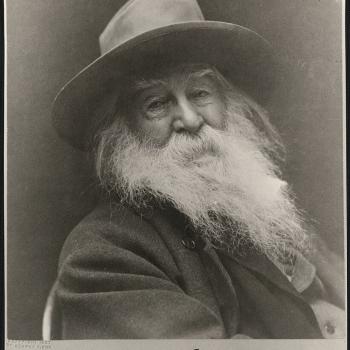
Walt Whitman as a Model Poet: "I Hear My School Singing"
Grades
9 - 12
|
Lesson Plan
|
Standard Lesson
Walt Whitman as a Model Poet: "I Hear My School Singing"
Students first analyze Walt Whitman's "I Hear America Singing," then use Whitman's poem as a model as they create their own list poems.
Style-Shifting: Examining and Using Formal and Informal Language Styles
Grades
9 - 12
|
Lesson Plan
|
Standard Lesson
Style-Shifting: Examining and Using Formal and Informal Language Styles
Students observe how language features vary when shifting from an informal to a formal style or vice versa. By engaging in style shifting in both speech and writing, students become aware of how we all change language styles depending on the contexts in which we are speaking or writing.

Grades
7 - 12
|
It's Raining Cats and Dogs! Make a Children's Book about the Weather

Kids learn about weather sayings throughout history while writing and illustrating a book for younger children.

Explore Resources by Grade

  • KindergartenK
  • 1-2
  • 3-4
  • 5-6
  • 7-8
  • 9-10
  • 11-12

RWT-logo

Powered By NCTE

Footer 1 Menu

  • About
  • Classroom Resources
  • Professional Development
  • Collections
  • Contact Us

Footer 2 Menu

  • National Council of Teachers of English
  • Contribute to RWT
  • FAQs
  • Join NCTE

Footer 3 Menu

  • Legal Notices
  • Privacy Policy
  • Promotional Materials
  • Site Demonstrations

Want to stay in touch with RWT and NCTE? Sign up here!

  • Facebook
  • Twitter
  • Instagram
  • Pinterest
  • YouTube

© NCTE 2026. All rights reserved