ReadWriteThink - Powered by NCTE
  • About
  • Classroom Resources
    • Lesson Plans
    • Teaching Comics
    • Teaching With Primary Resources
    • Calendar
    • Printouts
    • Student Interactives
  • Collections
    • Assessment
    • Authors
    • Booklists
    • Media Literacy
    • Poetry
    • Primary Sources
    • Writing
  • Professional Development
    • Strategy Guides
    • Professional Library
    • Meetings & Events
  • Join NCTE
  • Contact Us
  • About
  • Classroom Resources
    • Lesson Plans
    • Teaching Comics
    • Teaching With Primary Resources
    • Calendar
    • Printouts
    • Student Interactives
  • Collections
    • Assessment
    • Authors
    • Booklists
    • Media Literacy
    • Poetry
    • Primary Sources
    • Writing
  • Professional Development
    • Strategy Guides
    • Professional Library
    • Meetings & Events
  • Join NCTE
  • Contact Us
  • Facebook
  • Twitter
  • Instagram
  • Pinterest
  • YouTube

Breadcrumb

  1. Home

Type

  • (-) Professional Development
    • Professional Library
    • Strategy Guide

Grades

  • 1 (4)
  • 2 (4)
  • 3 (4)
  • 4 (5)
  • 5 (11)
  • 6 (13)
  • 8 (15)
  • 9 (15)
  • K (3)
  • (-) 12 (14)

Learning Objectives

  • (-) multimodal literacy (14)
  • Comprehension (30)
  • critical thinking (39)
  • digital literacy (10)
  • Grammar (3)
  • listening (8)
  • literary analysis (15)
  • Media literacy (9)
  • metacognition (31)
  • multicultural awareness (10)
  • phonological awareness (1)
  • print awareness (3)
  • reading fluency (2)
  • reading genres (10)
  • Vocabulary (12)
  • writing genres (21)
  • writing process (22)

Topics

  • arts
  • careers
  • community
  • drama
  • ELL
  • Family
  • fiction
  • Mathematics
  • Mobile Learning
  • nonfiction
  • poetry
  • science
  • seasons / holidays
  • social action
  • social studies / history
  • Sports
  • STEM
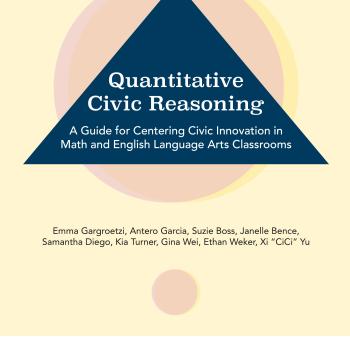
Quantitative Civic Reasoning
Grades
4 - 12
|
Professional Library
|
Professional Library
Quantitative Civic Reasoning: A Guide for Centering Civic Innovation in Math and English Language Arts Classrooms

This guide explores quantitative civic reasoning in English and math classrooms.
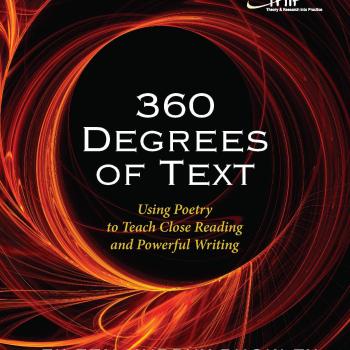
360 Degrees of Text: Using Poetry to Teach Close Reading and Powerful Writing
Grades
6 - 12
|
Professional Library
|
Book
360 Degrees of Text: Using Poetry to Teach Close Reading and Powerful Writing
Through Eileen Murphy Buckley's 360-degree approach to teaching critical literacy, students investigate texts through a full spectrum of learning modalities, harnessing the excitement of performance, imitation, creative writing, and argument/debate activities to become more powerful thinkers, readers, and writers.

Using the RAFT Writing Strategy
Grades
Grades
5 - 12
|
Strategy Guide
Using the RAFT Writing Strategy
This strategy guide introduces the RAFT technique and offers practical ideas for using this technique to teach students to experiment with various perspectives in their writing.
Supporting Vocabulary Acquisition for English Language Learners
Grades
Grades
6 - 12
|
Strategy Guide
Supporting Vocabulary Acquisition for English Language Learners
This Strategy Guide introduces strategies teachers can use for ELL vocabulary instruction in their English and content area classrooms.
Teaching With Multiple Modalities
Grades
Grades
6 - 12
|
Strategy Guide
Teaching With Multiple Modalities
In this Strategy Guide, you'll see how one lesson utilizes tiered texts and multiple modalities in order to meet the learning style needs of students.
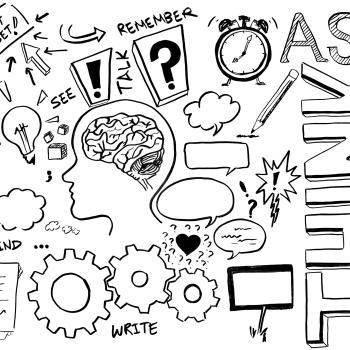
The Art of the Doodle: Writing with Imagination
Grades
Grades
5 - 12
|
Strategy Guide
The Art of the Doodle: Writing with Imagination
Use independent, imaginative artwork and varied writing prompts to assess understanding of a given topic for a student body with differentiated needs.
Reading on the Go
Grades
Grades
5 - 12
|
Strategy Guide
Reading on the Go
In this Strategy Guide, learn how to prepare yourself and your students for reading and note-taking in mobile environments.
Teaching with Zooming Slideshows through Prezi
Grades
Grades
6 - 12
|
Strategy Guide
Teaching with Zooming Slideshows through Prezi
Through Prezi, a web application, students create "zooming" presentations for various purposes, such as presenting research, defending an opinion, or sharing a digital story.

Bringing Lessons to Life with Animoto
Grades
Grades
5 - 12
|
Strategy Guide
Bringing Lessons to Life with Animoto
Using Animoto, a free Web 2.0 tool, students can develop short digital videos that include music, photos, video clips, and text as well as share their creations electronically.
Speak to Me: Teaching with Voki
Grades
Grades
6 - 12
|
Strategy Guide
Speak to Me: Teaching with Voki
Through Voki, a Web 2.0 tool, students create customizable avatars for class presentations for various purposes, such as presenting biographical information, expressing an opinion, or reading a poem.
Promoting Student-Directed Inquiry with the I-Search Paper
Grades
Grades
8 - 12
|
Strategy Guide
Promoting Student-Directed Inquiry with the I-Search Paper
The sense of curiosity behind research writing gets lost in some school-based assignments. This Strategy Guide provides the foundation for cultivating interest and authority through I-Search writing, including publishing online.
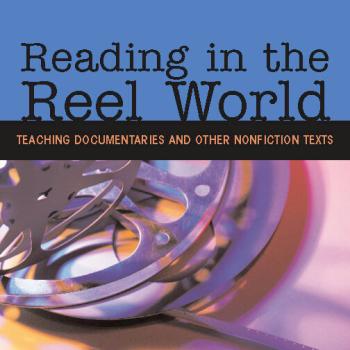
Reading in the Reel World: Teaching Documentaries and Other Nonfiction Texts
Grades
7 - 12
|
Professional Library
|
Book
Reading in the Reel World: Teaching Documentaries and Other Nonfiction Texts
John Golden offers middle and high school teachers a practical guide for using documentary film in the classroom to improve students' reading, writing, and thinking skills.
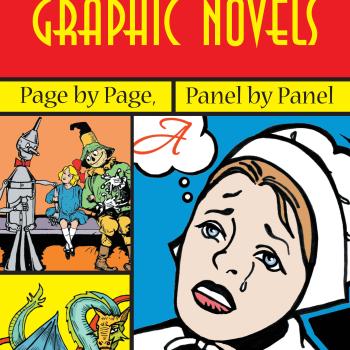
Building Literacy Connections with Graphic Novels: Page by Page, Panel by Panel
Grades
7 - 12
|
Professional Library
|
Book
Building Literacy Connections with Graphic Novels: Page by Page, Panel by Panel
This collection of essays by classroom teachers demonstrates how to pair graphic novels with classic literature (including both canonical and YA lit).

Reading in the Dark: Using Film as a Tool in the English Classroom
Grades
9 - 12
|
Professional Library
|
Book
Reading in the Dark: Using Film as a Tool in the English Classroom
In this practical guide, John Golden makes direct links between film and literary study by addressing reading strategies (e.g., predicting, responding, questioning) and key aspects of textual analysis.

Explore Resources by Grade

  • KindergartenK
  • 1-2
  • 3-4
  • 5-6
  • 7-8
  • 9-10
  • 11-12

RWT-logo

Powered By NCTE

Footer 1 Menu

  • About
  • Classroom Resources
  • Professional Development
  • Collections
  • Contact Us

Footer 2 Menu

  • National Council of Teachers of English
  • Contribute to RWT
  • FAQs
  • Join NCTE

Footer 3 Menu

  • Legal Notices
  • Privacy Policy
  • Promotional Materials
  • Site Demonstrations

Want to stay in touch with RWT and NCTE? Sign up here!

  • Facebook
  • Twitter
  • Instagram
  • Pinterest
  • YouTube

© NCTE 2026. All rights reserved