Students' responses to this lesson will be out of this world after they've researched astronomy to write poetry and compile a poetry book.

Astronomy Poetry: Combining Poetry With the Content Areas

Predicting and Gathering Information With Nonfiction Texts
Students take a walk on the wild side when they develop an understanding of nonfiction texts with hands-on experiences and intense analysis.
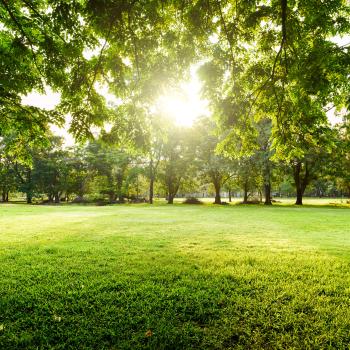
Nature Reflections: Interactive Language Practice for English-Language Learners
Students whose first language is not English reflect on nature through readings, a visit to a green area, and bookmaking using the writing process and peer feedback.

Combining Read-Alouds With Economics in the Primary Grades
Students learn that what you read in books can really add up when they analyze literary texts for economic concepts.
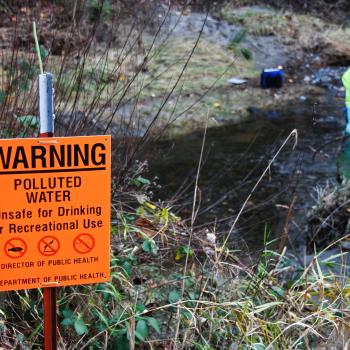
Reading and Writing About Pollution to Understand Cause and Effect
Students get to write a whale of a tale when they complete a graphic organizer sequencing the journey of a mountain fish to a polluted waterway.
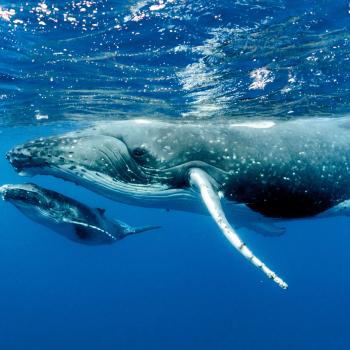
Reading and Writing About Whales Using Fiction and Nonfiction Texts
Students will have a whale of a good time in this lesson in which they use fiction and nonfiction texts to write a letter to an online scientist.
Multimedia Responses to Content Area Topics Using Fact-"Faction"-Fiction
Students climb into the mind of a spider in this lesson that asks them to compose a spider diary using spider facts, fiction, and "faction"fiction that sounds like fact.

The Big, Bad Wolf...Is This a Fact?
Reading is revamped in this lesson in which students use a multimedia approach to study the books by Seymour Simon.
Reading Informational Texts Using the 3-2-1 Strategy
Students can count on using the 3-2-1 strategy to help them successfully comprehend and write about an informational text.
Blast Off! Vocabulary Instruction Using a Virtual Moon Trip
3, 2, 1... Blast off! Students learn new vocabulary by taking a virtual field trip to the moon, read-alouds, creating a picture dictionary, and completing a final writing activity.
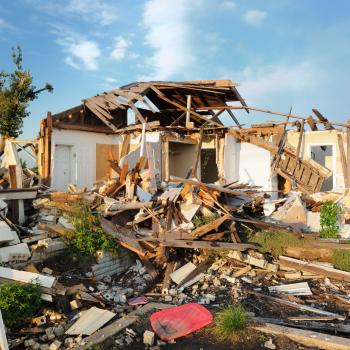
Exploring Cause and Effect Using Expository Texts About Natural Disasters
Students explore the nature and structure of expository texts that focus on cause and effect and apply what they learned using graphic organizers and writing paragraphs to outline cause-and-effect relationships.
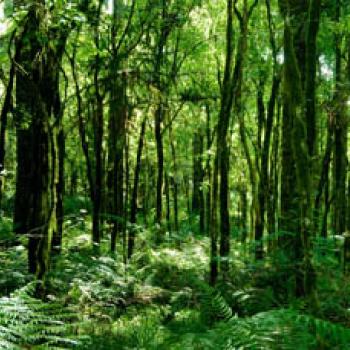
Teaching Science Through Picture Books: A Rainforest Lesson
Students read Welcome to the Green House, use note-taking strategies, find patterns in text structure, learn vocabulary in context, and write efferent and affective responses to the text.
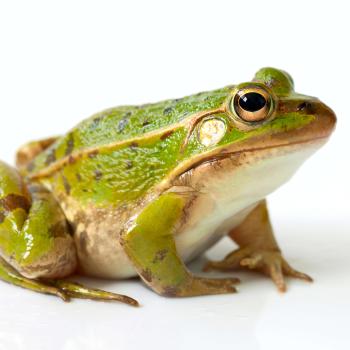
The Frog Beyond the Fairy Tale Character: Searching Informational Texts
Frogs often appear as the main character in fiction stories, but what do students really know about frogs? Students find out in this lesson in which they research real-life frogs.

Jane Yolen was born in 1939.
Students read one of Jane Yolen's books, retell the story in the form of a puppet show, research animals in the book, and document their findings with the Animal Study interactive tool.
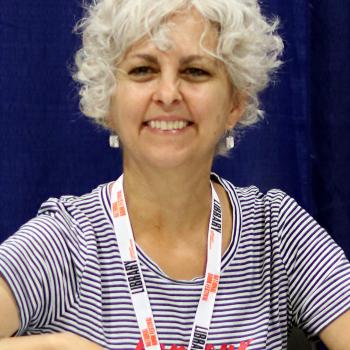
Celebrate Kate DiCamillo's birthday today.
After examining the characters in one of DiCamillo's stories, students write original short stories featuring animals as central characters.

Blast Off to Learn New Words
Boost vocabulary by taking an imaginary trip into space. After a lunar "landing," children return to Earth with a galaxy of new words.
It's Raining Cats and Dogs! Make a Children's Book about the Weather
Kids learn about weather sayings throughout history while writing and illustrating a book for younger children.

The Natural World as Inspiration: An Outdoor Art Show
Children incorporate materials from outdoors with paints or crayons to create pieces of art to display on their clotheslines, fences, or porches for a neighborhood art show.
Let's Go On A Poetry Walk!
The sun is shining, the birds are chirping, and you're surrounded by brilliant shades of green! Observe and collect sensory images from nature and use the sights, sounds, smells, and textures to create original nature poetry.
Go Wild with Webcams!
Can't make it to a zoo? After reading a book about apes, observe animal habits and habitats using one of the many Webcams broadcasting from zoos and aquariums around the United States and the world.