Kenneth Lindblom and Patricia A. Dunn teach language awareness and use through published complaints about the teaching of grammar. Students are able to recognize issues of race and class that determine acceptable usage and learn the importance of audience in their own language use.
Analyzing Grammar Rants: An Alternative to Traditional Grammar Instruction
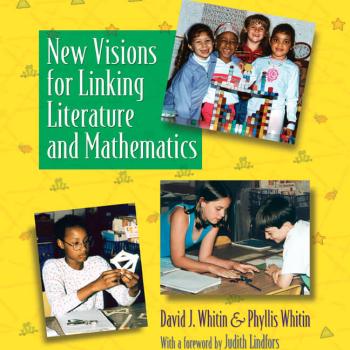
New Visions for Linking Literature and Mathematics
David and Phyllis Whitin offer K–6 teachers a wealth of ideas for integrating literature and mathematics.
To Grammar or Not to Grammar: That Is Not the Question!
Argues that, taught in the context of writing, grammar can enhance and improve students' writing. Offers classroom examples showing how: good preparation for writing fosters good grammar and detail; students can use grammatical and syntactic constructions used by professional authors as models for their own writing; and how to help students learn revision strategies at the sentence and paragraph level.
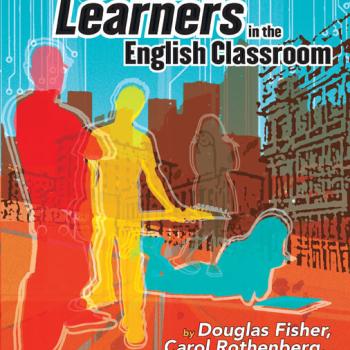
Language Learners in the English Classroom
This book provides practical, research-based strategies that can help secondary-level English language learners meet the challenges of both language and content learning.
Engaging Grammar: Practical Advice for Real Classrooms
Amy Benjamin challenges the idea of "skill and drill" grammar instruction, and Tom Oliva provides a teacher's journal chronicling how the concepts in this book can work in a real classroom.
Grammar Alive!: A Guide for Teachers
NCTE's Assembly for the Teaching of English Grammar provides this much-needed resource for teachers who wonder what to do about grammar—how to teach it, how to apply it, how to learn what they themselves were never taught.
Wondrous Words: Writers and Writing in the Elementary Classroom
Katie Wood Ray explains in practical terms the theoretical underpinnings of how elementary and middle school students learn to write from their reading.

And I Quote: A Punctuation Proofreading Minilesson
Students review the basic conventions for using quotations from literature or references from a research project, focusing on accurate punctuation and page layout, then apply the conventions to their texts.

Polishing Preposition Skills through Poetry and Publication
Students deepen and refine their understanding of prepositions by reading Ruth Heller's Behind the Mask. They write preposition poetry and create a study guide using an online tool.

Analyzing Grammar Pet Peeves
By analyzing Dear Abby's "rant" about bad grammar usage, students become aware that attitudes about race, social class, moral and ethical character, and "proper" language use are intertwined.

Hoax or No Hoax? Strategies for Online Comprehension and Evaluation
Are your students easily fooled? You'll find out in this lesson in which students carefully and critically examine hoax websites to determine their validity.
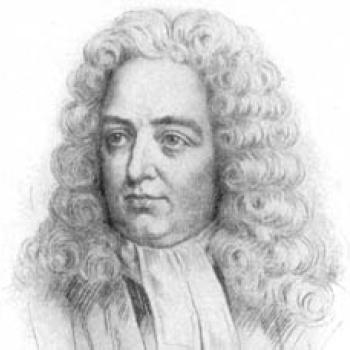
Semicolons and Swift: Analyzing Punctuation and Meaning
This lesson will help punctuation make a mark on students as they read Jonathan Swift's work and analyze his use of punctuation.

Make a Splash! Using Dramatic Experience to "Explode the Moment"
Students will have a blast as they use descriptive language to write about an "explosive" and dramatic moment in their lives.
Describe That Face: An Interactive Writing Game
Students write descriptions of characters, incorporate new vocabulary words, practice using simile and metaphor, engage in peer editing, and post their revised descriptions on the walls for a matching game.
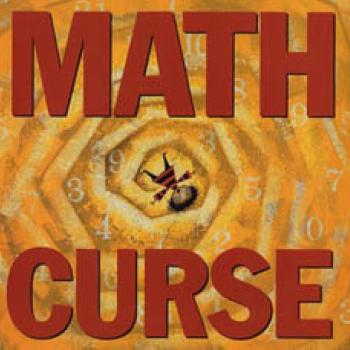
Solving the Math Curse: Reading and Writing Math Word Problems
Students' reading, writing, listening, and speaking skills add up as they decipher word problems and use what they've learned to solve a crossword puzzle.
In the Style of Ernie Pyle: Reporting on World War II
Students will think this lesson should make the headlines when they finish researching Ernie Pyle's work in preparation for writing their own news articles.
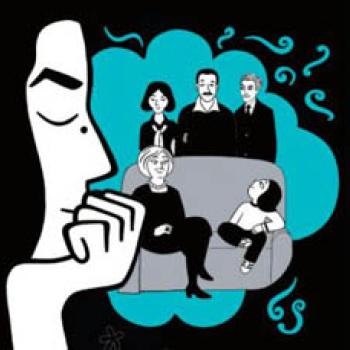
Pictures Tell the Story: Improving Comprehension With Persepolis
Students get the big picture of the Middle East when they read and analyze Marjane Satrapi's graphic novel Persepolis.

A Musical Prompt: Postcards From the Concert
Students won't miss a beat in this musical lesson that combines listening with personal response on a postcard.
To, Too, or Two: Developing an Understanding of Homophones
The classroom becomes a stage in this interactive lesson in which students sing, act, and design comic strips to learn the meanings and spellings of common homophones.
The Big Green Monster Teaches Phonics in Reading and Writing
A big green monster helps students build their reading fluency and word recognition skills through choral reading, literacy center activities, and writing stories.