Students analyze the elements of a novel in many different genres and then hyperlink these pieces together on student-constructed Websites.
Weaving the Multigenre Web
Every Punctuation Mark Matters: A Minilesson on Semicolons
Students analyze stylistic choices and grammar use in authentic writing, focusing on the use of the semicolon in Martin Luther King Jr.'s "Letter from Birmingham Jail."
Avoiding Sexist Language by Using Gender-Fair Pronouns
Students engage in a brief writing assignment that concretely illustrates how language and gender stereotyping interact causally.
Picture This: Student Created Online Vocabulary Flashcards
Let the students be the vocabulary experts! Prior to whole class instruction, students create online flashcards and teach the class the new vocabulary.

Blending the Past with Today's Technology: Using Prezi to Prepare for Historical Fiction
To prepare for literature circles featuring historical novels, students research the decades of the 1930s to the 1990s and share their information using Prezi, a web application for creating multimedia presentations.

Vote for Me! Making Presidential Commercials Using Avatars
After researching political platforms of past presidents through primary sources and other resources, students create commercials for these presidents using Voki, an online web tool that produces speaking avatars.

Book Report Alternative: Getting Acquainted with Farcebook
In this alternative to the traditional book report, students report on their novel choices using Facebook-like pages.
Animate that Haiku!
Following the traditional form of the haiku, students publish their own haikus using Animoto, an online web tool to produce slideshows that blend text and music.

Breaking the Rules with Sentence Fragments
Though teachers usually caution students against using sentence fragments, Edgar Schuster's work demonstrates that professional writers often use fragments effectively. This lesson helps students understand that there are reasons that they can and should use sentence fragments to become effective writers.
A Tale of a Few Text Messages: A Character Study of A Tale of Two Cities
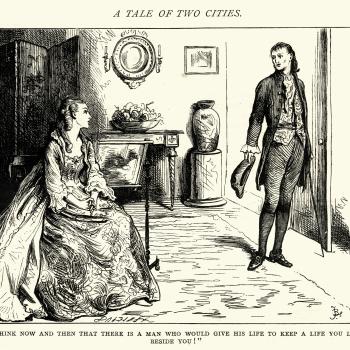
Students use A Tale of Two Cities to explore relationships, plot points, character traits, and background by writing text messages between characters within the novel.

Glogging About Natural Disasters
After researching various natural disasters, students share their findings with each other using glogs, or through poster presentations.
Book Report Alternative: Glog That Book!
In this alternative book report, students identify the elements of fiction in books they have read by creating glogs, interactive multimedia posters, and then share their glogs.
The Passion of Punctuation
Using published writers' texts and students' own writing, this unit explores emotions that are associated with the artful and deliberate use of commas, semicolons, colons, and exclamation points (end-stop marks of punctuation).
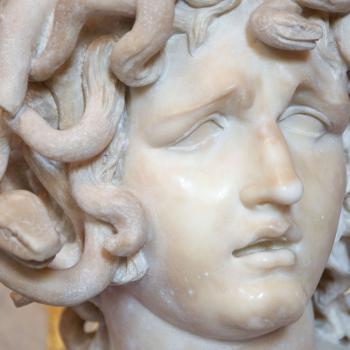
Digitally Telling the Story of Greek Figures
In this lesson students research Greek gods, heroes, and creatures and then share their findings through digital storytelling.

Style-Shifting: Examining and Using Formal and Informal Language Styles
Students observe how language features vary when shifting from an informal to a formal style or vice versa. By engaging in style shifting in both speech and writing, students become aware of how we all change language styles depending on the contexts in which we are speaking or writing.
Sharing Information about Careers with Infographics
Students research careers of their own choosing. Then using Piktochart, students create their own infographics to illustrate their research.

Highlighting Out-of-School Language Expertise with Pop Culture Dictionaries
Students compose dictionary entries for words and phrases from pop culture texts (e.g., television shows, movies, lyrics, YouTube videos), connecting their definitions to their personal use of the terms.
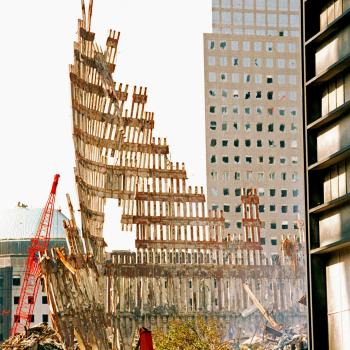
Huge Mistakes that Led to Catastrophe: Learning about Human-made Disasters throughout History
After researching various human-made disasters such as the BP oil spill, the sinking of the Titanic, and the Great Chicago Fire, students share their research in oral presentations. Then students pair up to compare and contrast their disasters using the Venn Diagram Student Interactive or the Venn diagram Mobile App.

Picture This: Using Instagram to Report
After taking a field trip that students document using mobile app Instagram, students become new reporters as they use the interactive Printing Press to tell about their experiences.
Summarizing with Haikus
Using the Haiku Poem App or the Haiku Poem Interactive, students summarize papers they have written using the traditional format of a haiku.