ReadWriteThink - Powered by NCTE
  • About
  • Classroom Resources
    • Lesson Plans
    • Teaching Comics
    • Teaching With Primary Resources
    • Calendar
    • Printouts
    • Student Interactives
  • Collections
    • Assessment
    • Authors
    • Booklists
    • Media Literacy
    • Poetry
    • Primary Sources
    • Writing
  • Professional Development
    • Strategy Guides
    • Professional Library
    • Meetings & Events
  • Join NCTE
  • Contact Us
  • About
  • Classroom Resources
    • Lesson Plans
    • Teaching Comics
    • Teaching With Primary Resources
    • Calendar
    • Printouts
    • Student Interactives
  • Collections
    • Assessment
    • Authors
    • Booklists
    • Media Literacy
    • Poetry
    • Primary Sources
    • Writing
  • Professional Development
    • Strategy Guides
    • Professional Library
    • Meetings & Events
  • Join NCTE
  • Contact Us
  • Facebook
  • Twitter
  • Instagram
  • Pinterest
  • YouTube

Breadcrumb

  1. Home

Type

  • Classroom Resources
  • Professional Development

Grades

  • 1 (7)
  • 2 (8)
  • 3 (17)
  • 4 (18)
  • 5 (21)
  • 6 (24)
  • 7 (23)
  • 8 (24)
  • 9 (20)
  • 10 (19)
  • 11 (18)
  • 12 (18)
  • K (6)

Learning Objectives

  • (-) Grammar (15)
  • (-) inquiry / research (30)
  • collaboration (54)
  • Comprehension (66)
  • critical thinking (70)
  • digital literacy (17)
  • listening (32)
  • literary analysis (67)
  • Media literacy (14)
  • metacognition (40)
  • multicultural awareness (19)
  • multimodal literacy (28)
  • oral communication (30)
  • phonological awareness (11)
  • print awareness (12)
  • reading fluency (11)
  • reading genres (37)
  • Spelling (11)
  • text structure / story structure (29)
  • Vocabulary (38)
  • writing genres (84)
  • writing process (71)

Topics

  • (-) poetry
  • arts
  • careers
  • community
  • drama
  • ELL
  • Family
  • fiction
  • Mathematics
  • Mobile Learning
  • nonfiction
  • science
  • seasons / holidays
  • social studies / history
  • Sports
  • STEM
Facilitating Student-Led Seminar Discussions with <em>The Piano Lesson</em>
Grades
9 - 12
|
Lesson Plan
|
Standard Lesson
Facilitating Student-Led Seminar Discussions with The Piano Lesson
August Wilson's play The Piano Lesson invites students to ask a number of questions—big and small. Students learn how to create effective discussion questions and then put them to use in student-led discussions.

Walt Whitman as a Model Poet: "I Hear My School Singing"
Grades
9 - 12
|
Lesson Plan
|
Standard Lesson
Walt Whitman as a Model Poet: "I Hear My School Singing"
Students first analyze Walt Whitman's "I Hear America Singing," then use Whitman's poem as a model as they create their own list poems.
Modeling Reading and Analysis Processes with the Works of Edgar Allan Poe
Grades
6 - 8
|
Lesson Plan
|
Unit
Modeling Reading and Analysis Processes with the Works of Edgar Allan Poe
Explore reading strategies using Edgar Allan Poe's "The Raven" and other works. Students read Poe's works in both large- and small-group readings then conclude with a variety of projects.

Making History Come Alive Through Poetry and Song
Grades
6 - 12
|
Lesson Plan
|
Standard Lesson
Making History Come Alive Through Poetry and Song

Students compare the sinking of the Edmund Fitzgerald with the song, "The Wreck of the Edmund Fitzgerald," then create their own poetry about a historical event.
Active Reading through Self-Assessment: The Student-Made Quiz
Grades
6 - 12
|
Lesson Plan
|
Recurring Lesson
Active Reading through Self-Assessment: The Student-Made Quiz

This recurring lesson encourages students to comprehend their reading through inquiry and collaboration. They choose important quotations from the text and work in groups to formulate "quiz" questions that their peers will answer.
Writing Acrostic Poems with Thematically Related Texts in the Content Areas
Grades
2 - 5
|
Lesson Plan
|
Standard Lesson
Writing Acrostic Poems with Thematically Related Texts in the Content Areas
Students read thematically related texts, scaffolded from simple to complex, to help them gather necessary concept vocabulary and background knowledge in a content area. They then write acrostic poems to organize and present their learning in a creative way.
Examining History with Maya Angelou's Poetry
Grades
6 - 8
|
Lesson Plan
|
Standard Lesson
Examining History with Maya Angelou's Poetry

To understand the historical background that influenced Maya Angelou's poems, students research events to produce trading cards using the ReadWriteThink Trading Card Student Interactive. Through the sharing of these trading cards, students understand the historical background as they analyze Angelou's poetry.

Learning about Clouds with Haikus
Grades
4 - 6
|
Lesson Plan
|
Standard Lesson
Learning about Clouds with Haikus
Using a mobile app or Interactive activity, students write haikus describing various types of clouds that they have studied.

Alliteration in Headline Poems
Grades
6 - 8
|
Lesson Plan
|
Minilesson
Alliteration in Headline Poems
Students will be introduced to the term alliteration and create a headline poem consisting of 25 words that contain at least three examples of alliteration.
Composing Cinquain Poems with Basic Parts of Speech
Grades
3 - 5
|
Lesson Plan
|
Standard Lesson
Composing Cinquain Poems with Basic Parts of Speech
Reinforce student understanding of parts of speech through the analysis of sample cinquain poems followed by the creation of original cinquains.

Seasonal Haiku: Writing Poems to Celebrate Any Season
Grades
3 - 5
|
Lesson Plan
|
Standard Lesson
Seasonal Haiku: Writing Poems to Celebrate Any Season
After listening to haiku poetry, students use seasonal descriptive words to write their own haiku, following the traditional format. They then publish their poems by mounting them on illustrated backgrounds.

Found Poems/Parallel Poems
Grades
6 - 8
|
Lesson Plan
|
Standard Lesson
Found Poems/Parallel Poems
Students compose found and parallel poems based on a descriptive passage they have chosen from a piece of literature they are reading.
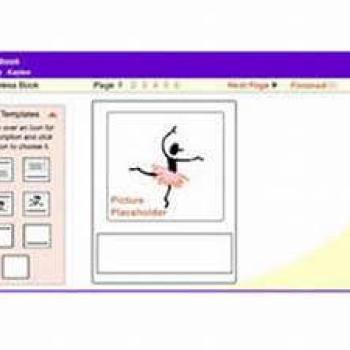
Stapleless Book
Grades
K - 12
|
Student Interactive
|
Writing & Publishing Prose
Stapleless Book

The Stapleless Book can be used for taking notes while reading, making picture books, collecting facts, or creating vocabulary booklets . . . the possibilities are endless!
Power of Picture Books, The: Using Content Area Literature in Middle School
Grades
5 - 9
|
Professional Library
|
Book
Power of Picture Books, The: Using Content Area Literature in Middle School
Featuring descriptions and activities for fifty exceptional titles, Mary Jo Fresch and Peggy Harkins offer a wealth of ideas for harnessing the power of picture books to improve reading and writing in the content areas.

Socratic Seminars
Grades
Grades
6 - 12
|
Strategy Guide
Socratic Seminars
This strategy guide explains Socratic seminars and offers practical methods for applying the approach in your classroom to help students investigate multiple perspectives in a text.
Teaching with Zooming Slideshows through Prezi
Grades
Grades
6 - 12
|
Strategy Guide
Teaching with Zooming Slideshows through Prezi
Through Prezi, a web application, students create "zooming" presentations for various purposes, such as presenting research, defending an opinion, or sharing a digital story.

Bringing Lessons to Life with Animoto
Grades
Grades
5 - 12
|
Strategy Guide
Bringing Lessons to Life with Animoto
Using Animoto, a free Web 2.0 tool, students can develop short digital videos that include music, photos, video clips, and text as well as share their creations electronically.
6 - 12

Write an Illustrated “I Am” Poem in Comic-Book Style

Teaching Comics
Grades
6 - 8
|
Lesson Plan
|
Standard Lesson
Polishing Preposition Skills through Poetry and Publication

Students deepen and refine their understanding of prepositions by reading Ruth Heller's Behind the Mask. They write preposition poetry and create a study guide using an online tool.

Latino Poetry Blog: Blogging as a Forum for Open Discussion
Grades
8 - 12
|
Lesson Plan
|
Standard Lesson
Latino Poetry Blog: Blogging as a Forum for Open Discussion
In this lesson, students use blogs to hold discussions about the effect of the factors of culture, history, and environment on Latino poetry.

Pagination

  • Page 1
  • Page 2
  • Page 3
  • Next page ››
  • Last page Last »

Explore Resources by Grade

  • KindergartenK
  • 1-2
  • 3-4
  • 5-6
  • 7-8
  • 9-10
  • 11-12

RWT-logo

Powered By NCTE

Footer 1 Menu

  • About
  • Classroom Resources
  • Professional Development
  • Collections
  • Contact Us

Footer 2 Menu

  • National Council of Teachers of English
  • Contribute to RWT
  • FAQs
  • Join NCTE

Footer 3 Menu

  • Legal Notices
  • Privacy Policy
  • Promotional Materials
  • Site Demonstrations

Want to stay in touch with RWT and NCTE? Sign up here!

  • Facebook
  • Twitter
  • Instagram
  • Pinterest
  • YouTube

© NCTE 2026. All rights reserved