ReadWriteThink - Powered by NCTE
  • About
  • Classroom Resources
    • Lesson Plans
    • Teaching Comics
    • Teaching With Primary Resources
    • Calendar
    • Printouts
    • Student Interactives
  • Collections
    • Assessment
    • Authors
    • Booklists
    • Media Literacy
    • Poetry
    • Primary Sources
    • Writing
  • Professional Development
    • Strategy Guides
    • Professional Library
    • Meetings & Events
  • Join NCTE
  • Contact Us
  • About
  • Classroom Resources
    • Lesson Plans
    • Teaching Comics
    • Teaching With Primary Resources
    • Calendar
    • Printouts
    • Student Interactives
  • Collections
    • Assessment
    • Authors
    • Booklists
    • Media Literacy
    • Poetry
    • Primary Sources
    • Writing
  • Professional Development
    • Strategy Guides
    • Professional Library
    • Meetings & Events
  • Join NCTE
  • Contact Us
  • Facebook
  • Twitter
  • Instagram
  • Pinterest
  • YouTube

Breadcrumb

  1. Home

Type

  • Classroom Resources

Grades

  • 1 (4)
  • 2 (4)
  • 3 (1)
  • 4 (2)
  • 5 (2)
  • 6 (5)
  • 7 (6)
  • 8 (6)
  • 9 (2)
  • 10 (2)
  • 11 (2)
  • 12 (2)
  • K (4)

Learning Objectives

  • (-) Grammar (11)
  • collaboration (128)
  • Comprehension (125)
  • critical thinking (215)
  • digital literacy (40)
  • inquiry / research (146)
  • listening (52)
  • literary analysis (74)
  • Media literacy (73)
  • metacognition (101)
  • multicultural awareness (62)
  • multimodal literacy (68)
  • oral communication (77)
  • phonological awareness (12)
  • print awareness (31)
  • reading fluency (10)
  • reading genres (63)
  • Spelling (9)
  • text structure / story structure (39)
  • Vocabulary (40)
  • writing genres (89)
  • writing process (79)

Topics

  • (-) ELL
  • (-) social studies / history
  • arts
  • community
  • drama
  • Family
  • fiction
  • Mathematics
  • Mobile Learning
  • nonfiction
  • poetry
  • science
  • seasons / holidays
  • social action
Grades
6 - 8
|
Lesson Plan
|
Minilesson
Every Punctuation Mark Matters: A Minilesson on Semicolons
Students analyze stylistic choices and grammar use in authentic writing, focusing on the use of the semicolon in Martin Luther King Jr.'s "Letter from Birmingham Jail."
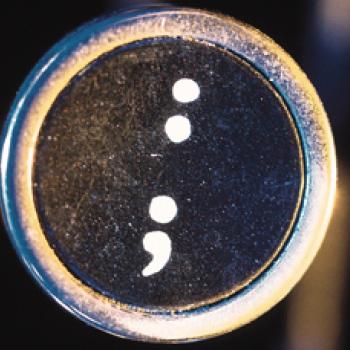
The Passion of Punctuation
Grades
9 - 12
|
Lesson Plan
|
Unit
The Passion of Punctuation
Using published writers' texts and students' own writing, this unit explores emotions that are associated with the artful and deliberate use of commas, semicolons, colons, and exclamation points (end-stop marks of punctuation).
Family Message Journals Teach Many Purposes for Writing
Grades
K - 2
|
Lesson Plan
|
Standard Lesson
Family Message Journals Teach Many Purposes for Writing
This lesson encourages children to explore authentic reasons for writing by writing messages to their family in a family message journal.

Sentence Quest: Using Parts of Speech to Write Descriptive Sentences
Grades
K - 2
|
Lesson Plan
|
Standard Lesson
Sentence Quest: Using Parts of Speech to Write Descriptive Sentences
Students learn about sentences by listing verbs, nouns, and adjectives. They use word cards to create descriptive sentences and work in groups to create the longest sentences they can.
The Magic of Three: Techniques for the Writer's Craft
Grades
4 - 8
|
Lesson Plan
The Magic of Three: Techniques for the Writer's Craft
Students learn to use tricolons—a writer's technique of putting words and phrases into groups of threes—to add rhythm and power to their writing.
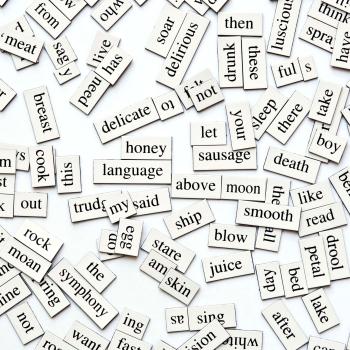
The Magnetism of Language: Parts of Speech, Poetry, and Word Play
Grades
6 - 8
|
Lesson Plan
|
Standard Lesson
The Magnetism of Language: Parts of Speech, Poetry, and Word Play
What wonderful ways words work! The parts of speech are the highlight of this lesson in which students identify parts of speech in a nonsensical poem and then create their own wild and wacky rhymes.
Whole-to-Parts Phonics Instruction: Teaching Letter-Sound Correspondences
Grades
K - 2
|
Lesson Plan
|
Standard Lesson
Whole-to-Parts Phonics Instruction: Teaching Letter-Sound Correspondences
Students will find that learning onset and rime is a handy skill when they read the Jack and Jill rhyme.
Getting the <em>ig</em> in Pig: Helping Children Discover Onset and Rime
Grades
K - 2
|
Lesson Plan
|
Standard Lesson
Getting the ig in Pig: Helping Children Discover Onset and Rime
Students will need their language-building hard hats as they construct words using onset and rime, building vocabulary and phonics comprehension.

Digital Reflections: Expressing Understanding of Content Through Photography
Grades
6 - 8
|
Lesson Plan
|
Unit
Digital Reflections: Expressing Understanding of Content Through Photography
Striking images can leave lasting impressions on viewers. In this lesson, students make text–self–world connections to a nature- or science-related topic as they collaboratively design a multimedia presentation.
Grades
7 - 12
|
It's Raining Cats and Dogs! Make a Children's Book about the Weather

Kids learn about weather sayings throughout history while writing and illustrating a book for younger children.

Grades
3 - 8
|
Send a Smile: Make a Card for a Special Occasion

Everyone loves getting a greeting card, especially if it's homemade. Make a funny or thoughtful greeting card or invitation with pictures and a poem, joke, or riddle.

Explore Resources by Grade

  • KindergartenK
  • 1-2
  • 3-4
  • 5-6
  • 7-8
  • 9-10
  • 11-12

RWT-logo

Powered By NCTE

Footer 1 Menu

  • About
  • Classroom Resources
  • Professional Development
  • Collections
  • Contact Us

Footer 2 Menu

  • National Council of Teachers of English
  • Contribute to RWT
  • FAQs
  • Join NCTE

Footer 3 Menu

  • Legal Notices
  • Privacy Policy
  • Promotional Materials
  • Site Demonstrations

Want to stay in touch with RWT and NCTE? Sign up here!

  • Facebook
  • Twitter
  • Instagram
  • Pinterest
  • YouTube

© NCTE 2026. All rights reserved