ReadWriteThink - Powered by NCTE
  • About
  • Classroom Resources
    • Lesson Plans
    • Teaching Comics
    • Teaching With Primary Resources
    • Calendar
    • Printouts
    • Student Interactives
  • Collections
    • Assessment
    • Authors
    • Booklists
    • Media Literacy
    • Poetry
    • Primary Sources
    • Writing
  • Professional Development
    • Strategy Guides
    • Professional Library
    • Meetings & Events
  • Join NCTE
  • Contact Us
  • About
  • Classroom Resources
    • Lesson Plans
    • Teaching Comics
    • Teaching With Primary Resources
    • Calendar
    • Printouts
    • Student Interactives
  • Collections
    • Assessment
    • Authors
    • Booklists
    • Media Literacy
    • Poetry
    • Primary Sources
    • Writing
  • Professional Development
    • Strategy Guides
    • Professional Library
    • Meetings & Events
  • Join NCTE
  • Contact Us
  • Facebook
  • Twitter
  • Instagram
  • Pinterest
  • YouTube

Breadcrumb

  1. Home

Type

  • Classroom Resources
  • Professional Development

Grades

  • 1 (123)
  • 2 (131)
  • 3 (174)
  • 4 (175)
  • 5 (192)
  • 6 (208)
  • 7 (210)
  • 8 (214)
  • 9 (216)
  • 10 (213)
  • 11 (206)
  • 12 (206)
  • K (114)

Learning Objectives

  • (-) Vocabulary (191)
  • (-) writing process (421)
  • collaboration (458)
  • Comprehension (508)
  • critical thinking (649)
  • digital literacy (154)
  • Grammar (57)
  • inquiry / research (350)
  • listening (182)
  • literary analysis (367)
  • Media literacy (205)
  • metacognition (302)
  • multicultural awareness (113)
  • multimodal literacy (260)
  • oral communication (224)
  • phonological awareness (61)
  • print awareness (89)
  • reading fluency (67)
  • reading genres (290)
  • Spelling (51)
  • text structure / story structure (242)
  • writing genres (382)

Topics

  • arts
  • careers
  • community
  • drama
  • ELL
  • Family
  • fiction
  • Mathematics
  • Mobile Learning
  • nonfiction
  • poetry
  • science
  • seasons / holidays
  • social action
  • social studies / history
  • Sports
  • STEM
Using Concept Circles to Develop Academic Vocabulary
Grades
Grades
3 - 12
|
Strategy Guide
Using Concept Circles to Develop Academic Vocabulary
In this guide, you will learn how to use the Concept Circles strategy to support vocabulary development and comprehension of complex text.

Using Word Walls to Develop and Maintain Academic Vocabulary
Grades
Grades
K - 12
|
Strategy Guide
Using Word Walls to Develop and Maintain Academic Vocabulary
In this guide, you will learn how to use Word Walls to support vocabulary development and retention.
Using Disciplinary Facets to Deepen Academic Vocabulary Knowledge
Grades
Grades
4 - 12
|
Strategy Guide
Using Disciplinary Facets to Deepen Academic Vocabulary Knowledge
In this guide, you will learn how to use the disciplinary facets strategy to support vocabulary development across contexts and academic disciplines.
Using Generative Sentences to Apply Academic Vocabulary
Grades
Grades
4 - 12
|
Strategy Guide
Using Generative Sentences to Apply Academic Vocabulary
In this guide, you will learn how to use generative sentences to give students opportunities to apply their knowledge of new words in writing.
ICED: The Key to Elaboration
Grades
Grades
9 - 12
|
Strategy Guide
ICED: The Key to Elaboration
Most students struggle when adding detail to their body paragraphs. This guide serves as a means of instruction and provides models for the students to master development.

Developing Evidence-Based Arguments from Texts
Grades
Grades
6 - 12
|
Strategy Guide
Developing Evidence-Based Arguments from Texts

This strategy guide clarifies the difference between persuasion and argumentation, stressing the connection between close reading of text to gather evidence and formation of a strong argumentative claim about text.
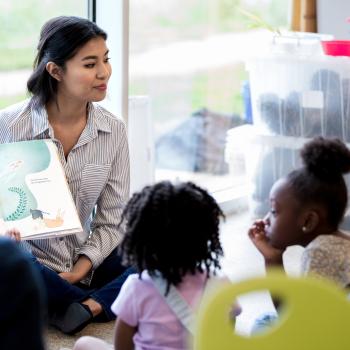
Depend on the Text! How to Create Text-Dependent Questions
Grades
Grades
1 - 3
|
Strategy Guide
Depend on the Text! How to Create Text-Dependent Questions
Teachers need to create text-dependent questions to elicit close reading. When answering these questions, students learn to reread and think deeply about the text.

Promote Deep Thinking! How to Choose a Complex Text
Grades
Grades
1 - 3
|
Strategy Guide
Promote Deep Thinking! How to Choose a Complex Text
Complex texts promote deep thinking and critical analysis by students. Through close reading of a complex text, students' independent reading abilities also increase.
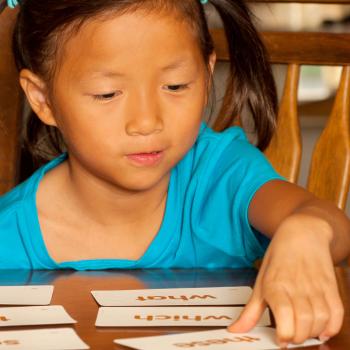
Introducing Ideas and Vocabulary with the Concept Sort
Grades
Grades
K - 8
|
Strategy Guide
Introducing Ideas and Vocabulary with the Concept Sort
A Concept Sort is a vocabulary and comprehension strategy used with students to introduce new topics and/or familiarize students with new vocabulary.
Using Paired Reading to Increase Fluency and Peer Cooperation
Grades
Grades
K - 6
|
Strategy Guide
Using Paired Reading to Increase Fluency and Peer Cooperation
In this strategy, students read aloud to each other, pairing more fluent readers with less fluent readers. This strategy can also be used to pair older students with younger students to create "reading buddies."
Promoting Student-Directed Inquiry with the I-Search Paper
Grades
Grades
8 - 12
|
Strategy Guide
Promoting Student-Directed Inquiry with the I-Search Paper
The sense of curiosity behind research writing gets lost in some school-based assignments. This Strategy Guide provides the foundation for cultivating interest and authority through I-Search writing, including publishing online.
Inquiry Charts (I-Charts)
Grades
Grades
3 - 12
|
Strategy Guide
Inquiry Charts (I-Charts)
This guide introduces I-Charts, a strategy that enables students to generate meaningful questions about a topic and organize their writing.
Power Notes
Grades
Grades
6 - 12
|
Strategy Guide
Power Notes
The strategy examined in this Strategy Guide teaches students an outlining technique to help them differentiate between main ideas and details in their reading and writing.
Professional Knowledge for the Teaching of Writing
Grades
K - 12
|
Professional Library
|
Position Statement
Professional Knowledge for the Teaching of Writing

With full recognition that writing is an increasingly multifaceted activity, we offer several principles that should guide effective teaching practice.

Literary Terms: A Practical Glossary
Grades
9 - 12
|
Professional Library
|
Book
Literary Terms: A Practical Glossary
Literary Terms: A Practical Glossary provides up-to-date definitions, drawing on recent developments in literary theory and emphasizing the role of reading practices in the reproduction of literary meanings. Unlike other glossaries, it includes brief activities to help students develop a working knowledge of the concepts.
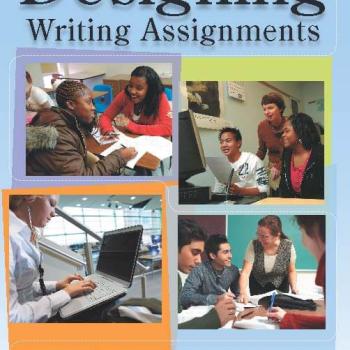
Designing Writing Assignments
Grades
9 - 12
|
Professional Library
|
Book
Designing Writing Assignments
Traci Gardner offers practical tips, starting points, and a companion website to help secondary and college teachers design effective writing assignments.
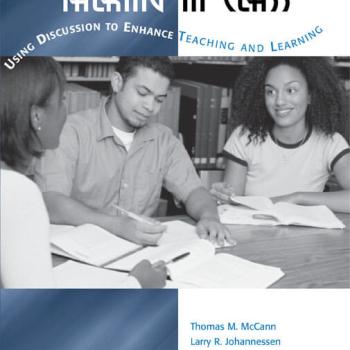
Talking in Class: Using Discussion to Enhance Teaching and Learning
Grades
9 - 12
|
Professional Library
|
Book
Talking in Class: Using Discussion to Enhance Teaching and Learning
The authors guide high school teachers in developing skills in promoting and facilitating authentic discussion in the English language arts classroom.
Writing at the Threshold: Featuring 56 Ways to Prepare High School and College Students to Think and Write at the College Level
Grades
11 - 12
|
Professional Library
|
Book
Writing at the Threshold: Featuring 56 Ways to Prepare High School and College Students to Think and Write at the College Level
This book offers both an eloquent philosophy of composition instruction and a useful set of classroom-tested teaching ideas distilled from the author's 28 years of teaching writing.
What Is "College-Level" Writing?
Grades
9 - 12
|
Professional Library
|
Book
What Is "College-Level" Writing?
Just what defines "college-level" writing? This collection seeks to engage this essential question with care, patience, and pragmatism.
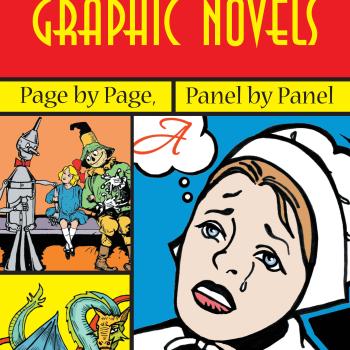
Building Literacy Connections with Graphic Novels: Page by Page, Panel by Panel
Grades
7 - 12
|
Professional Library
|
Book
Building Literacy Connections with Graphic Novels: Page by Page, Panel by Panel
This collection of essays by classroom teachers demonstrates how to pair graphic novels with classic literature (including both canonical and YA lit).

Pagination

  • First page « First
  • Previous page ‹‹
  • …
  • Page 10
  • Page 11
  • Page 12
  • Page 13
  • Page 14
  • Page 15
  • Page 16
  • Page 17
  • Page 18
  • …
  • Next page ››
  • Last page Last »

Explore Resources by Grade

  • KindergartenK
  • 1-2
  • 3-4
  • 5-6
  • 7-8
  • 9-10
  • 11-12

RWT-logo

Powered By NCTE

Footer 1 Menu

  • About
  • Classroom Resources
  • Professional Development
  • Collections
  • Contact Us

Footer 2 Menu

  • National Council of Teachers of English
  • Contribute to RWT
  • FAQs
  • Join NCTE

Footer 3 Menu

  • Legal Notices
  • Privacy Policy
  • Promotional Materials
  • Site Demonstrations

Want to stay in touch with RWT and NCTE? Sign up here!

  • Facebook
  • Twitter
  • Instagram
  • Pinterest
  • YouTube

© NCTE 2026. All rights reserved