ReadWriteThink - Powered by NCTE
  • About
  • Classroom Resources
    • Lesson Plans
    • Teaching Comics
    • Teaching With Primary Resources
    • Calendar
    • Printouts
    • Student Interactives
  • Collections
    • Assessment
    • Authors
    • Booklists
    • Media Literacy
    • Poetry
    • Primary Sources
    • Writing
  • Professional Development
    • Strategy Guides
    • Professional Library
    • Meetings & Events
  • Join NCTE
  • Contact Us
  • About
  • Classroom Resources
    • Lesson Plans
    • Teaching Comics
    • Teaching With Primary Resources
    • Calendar
    • Printouts
    • Student Interactives
  • Collections
    • Assessment
    • Authors
    • Booklists
    • Media Literacy
    • Poetry
    • Primary Sources
    • Writing
  • Professional Development
    • Strategy Guides
    • Professional Library
    • Meetings & Events
  • Join NCTE
  • Contact Us
  • Facebook
  • Twitter
  • Instagram
  • Pinterest
  • YouTube

Breadcrumb

  1. Home

Type

  • Classroom Resources
  • Professional Development

Grades

  • 1 (95)
  • 2 (98)
  • 3 (149)
  • 4 (150)
  • 5 (160)
  • 6 (167)
  • 7 (163)
  • 8 (170)
  • 9 (151)
  • 10 (149)
  • 11 (148)
  • 12 (148)
  • K (82)

Learning Objectives

  • (-) text structure / story structure (242)
  • (-) Vocabulary (191)
  • collaboration (458)
  • Comprehension (508)
  • critical thinking (649)
  • digital literacy (154)
  • Grammar (57)
  • inquiry / research (350)
  • listening (182)
  • literary analysis (367)
  • Media literacy (205)
  • metacognition (302)
  • multicultural awareness (113)
  • multimodal literacy (260)
  • oral communication (224)
  • phonological awareness (61)
  • print awareness (89)
  • reading fluency (67)
  • reading genres (290)
  • Spelling (51)
  • writing genres (382)
  • writing process (421)

Topics

  • arts
  • careers
  • community
  • drama
  • ELL
  • Family
  • fiction
  • Mathematics
  • Mobile Learning
  • nonfiction
  • poetry
  • science
  • seasons / holidays
  • social action
  • social studies / history
  • Sports
  • STEM
Grades
6 - 8
|
Lesson Plan
|
Standard Lesson
Viewing Vocabulary: Building Word Knowledge Through Informational Websites
Students read a text to identify important words, discuss them with peers, summarize the text, and read related texts to identify how those words are used in other contexts.

And the Question Is... Evaluating the Validity of a Survey
Grades
9 - 12
|
Lesson Plan
|
Standard Lesson
And the Question Is... Evaluating the Validity of a Survey
In this lesson, students learn to ask the right questions about the validity of surveys.

Combining Read-Alouds With Economics in the Primary Grades
Grades
K - 2
|
Lesson Plan
|
Standard Lesson
Combining Read-Alouds With Economics in the Primary Grades
Students learn that what you read in books can really add up when they analyze literary texts for economic concepts.

Poetry Circles: Generative Writing Loops Help Students Craft Verse
Grades
9 - 12
|
Lesson Plan
|
Standard Lesson
Poetry Circles: Generative Writing Loops Help Students Craft Verse
Students put their heads together in a poetry circle to learn and practice different forms of poetry.

Story Elements Alive!
Grades
3 - 5
|
Lesson Plan
|
Standard Lesson
Story Elements Alive!
What's in a narrative? Students find out in this lesson in which they explore four narrative elements—setting, characters, problem/solution, and plot, through purpose-driven read-alouds and independent reading.

Reading, Writing, Haiku Hiking! A Class Book of Picturesque Poems
Grades
3 - 5
|
Lesson Plan
|
Standard Lesson
Reading, Writing, Haiku Hiking! A Class Book of Picturesque Poems
Students learn haiku write descriptive poems and share with the class.

Family Ties: Making Connections to Improve Reading Comprehension
Grades
K - 2
|
Lesson Plan
|
Standard Lesson
Family Ties: Making Connections to Improve Reading Comprehension
Families are all about connections between people. In this lesson, students read three books about different families and make text-to-self, text-to-text, and text-to-world connections to those texts.
Using Greeting Cards to Motivate Students and Enhance Literacy Skills
Grades
K - 2
|
Lesson Plan
|
Standard Lesson
Using Greeting Cards to Motivate Students and Enhance Literacy Skills
Imagination and illustration are the key in this lesson in which students read and create their own greeting cards.
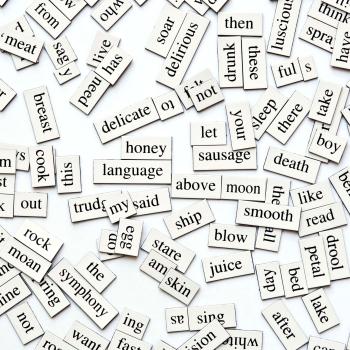
The Magnetism of Language: Parts of Speech, Poetry, and Word Play
Grades
6 - 8
|
Lesson Plan
|
Standard Lesson
The Magnetism of Language: Parts of Speech, Poetry, and Word Play
What wonderful ways words work! The parts of speech are the highlight of this lesson in which students identify parts of speech in a nonsensical poem and then create their own wild and wacky rhymes.
Spelling Patterns "Go Fish" Card Game
Grades
4 - 8
|
Lesson Plan
|
Standard Lesson
Spelling Patterns "Go Fish" Card Game
Students use sets of words that share a spelling pattern to create a card game like "Go Fish" and then play the game in groups, helping them improve their spelling.
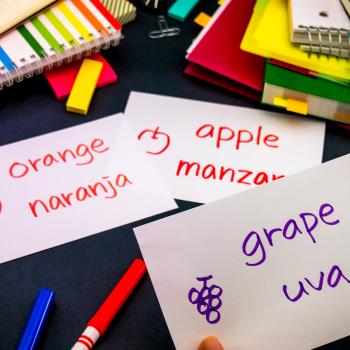
Let's Read It Again: Comprehension Strategies for English-Language Learners
Grades
K - 2
|
Lesson Plan
|
Standard Lesson
Let's Read It Again: Comprehension Strategies for English-Language Learners
Help Spanish-speaking English-language learners unlock the mysteries of their new language by using a bilingual book to recognize unfamiliar words and construct meaning from the text.
Improve Comprehension: A Word Game Using Root Words and Affixes
Grades
6 - 8
|
Lesson Plan
|
Standard Lesson
Improve Comprehension: A Word Game Using Root Words and Affixes
Students study common root words and affixes, improve their comprehension and spelling, and make a card game in which they form words with a prefix, root word, and suffix.
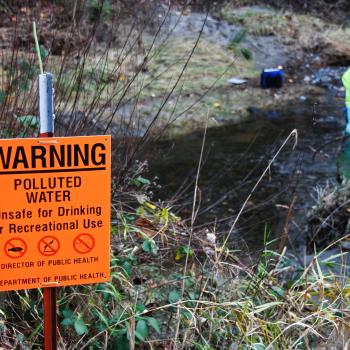
Reading and Writing About Pollution to Understand Cause and Effect
Grades
3 - 5
|
Lesson Plan
|
Standard Lesson
Reading and Writing About Pollution to Understand Cause and Effect
Students get to write a whale of a tale when they complete a graphic organizer sequencing the journey of a mountain fish to a polluted waterway.
Read a Song: Using Song Lyrics for Reading and Writing
Grades
K - 2
|
Lesson Plan
|
Standard Lesson
Read a Song: Using Song Lyrics for Reading and Writing
This lesson will be music to the students' ears when they hear that they get to read song lyrics and compose original lyrics for a familiar song.

Developing Story Structure With Paper-Bag Skits
Grades
6 - 8
|
Lesson Plan
|
Unit
Developing Story Structure With Paper-Bag Skits
Lights, camera, action, and a bit of mystery! In this lesson, students use mystery props in a skit bag to create and perform in short, impromptu skits.
Whose Shoes? Using Artifacts to Teach Reading and Rhyming Patterns
Grades
1 - 2
|
Lesson Plan
|
Standard Lesson
Whose Shoes? Using Artifacts to Teach Reading and Rhyming Patterns
If the shoe fits… Actually, any shoe will fit this lesson, and the Artifact Analysis Questions provided will help students see it in a whole new way. Several rhyming texts take the shoe theme a step further, and introduce activities to increase students' awareness of rhyming words.
Zines for Kids: Multigenre Texts About Media Icons
Grades
3 - 5
|
Lesson Plan
|
Unit
Zines for Kids: Multigenre Texts About Media Icons
Special edition! Students use ReadWriteThink tools to create magazines about prominent figures using a variety of writing genres and styles.
Phonic Generalizations in <em>Chrysanthemum</em>
Grades
K - 2
|
Lesson Plan
|
Minilesson
Phonic Generalizations in Chrysanthemum
Students learn about word families by reading Kevin Henkes's book Chrysanthemum, identifying words with certain vowel pair endings, and reading words with similar endings.
Grades
K - 2
|
Lesson Plan
|
Recurring Lesson
Learning Centers: From Shared to Independent Practice
Seven blind mice—see how they spend each day of the week in this lesson that uses the book Seven Blind Mice to guide students through shared reading, writing, and listening activities.
Phonics Through Literature: Learning About the Letter <em>M</em>
Grades
K - 1
|
Lesson Plan
|
Standard Lesson
Phonics Through Literature: Learning About the Letter M

Students learn about phonics by focusing on the letter m and participating in an integrated array of activities, including reading, writing, mathematics, music, art, and technology.

Pagination

  • First page « First
  • Previous page ‹‹
  • …
  • Page 10
  • Page 11
  • Page 12
  • Page 13
  • Page 14
  • Page 15
  • Page 16
  • Page 17
  • Page 18
  • …
  • Next page ››
  • Last page Last »

Explore Resources by Grade

  • KindergartenK
  • 1-2
  • 3-4
  • 5-6
  • 7-8
  • 9-10
  • 11-12

RWT-logo

Powered By NCTE

Footer 1 Menu

  • About
  • Classroom Resources
  • Professional Development
  • Collections
  • Contact Us

Footer 2 Menu

  • National Council of Teachers of English
  • Contribute to RWT
  • FAQs
  • Join NCTE

Footer 3 Menu

  • Legal Notices
  • Privacy Policy
  • Promotional Materials
  • Site Demonstrations

Want to stay in touch with RWT and NCTE? Sign up here!

  • Facebook
  • Twitter
  • Instagram
  • Pinterest
  • YouTube

© NCTE 2026. All rights reserved