ReadWriteThink - Powered by NCTE
  • About
  • Classroom Resources
    • Lesson Plans
    • Teaching Comics
    • Teaching With Primary Resources
    • Calendar
    • Printouts
    • Student Interactives
  • Collections
    • Assessment
    • Authors
    • Booklists
    • Media Literacy
    • Poetry
    • Primary Sources
    • Writing
  • Professional Development
    • Strategy Guides
    • Professional Library
    • Meetings & Events
  • Join NCTE
  • Contact Us
  • About
  • Classroom Resources
    • Lesson Plans
    • Teaching Comics
    • Teaching With Primary Resources
    • Calendar
    • Printouts
    • Student Interactives
  • Collections
    • Assessment
    • Authors
    • Booklists
    • Media Literacy
    • Poetry
    • Primary Sources
    • Writing
  • Professional Development
    • Strategy Guides
    • Professional Library
    • Meetings & Events
  • Join NCTE
  • Contact Us
  • Facebook
  • Twitter
  • Instagram
  • Pinterest
  • YouTube

Breadcrumb

  1. Home

Type

  • Classroom Resources
  • Professional Development

Grades

  • 1 (7)
  • 2 (8)
  • 3 (7)
  • 4 (7)
  • 5 (9)
  • 6 (5)
  • 7 (5)
  • 8 (5)
  • 9 (6)
  • 10 (4)
  • 11 (4)
  • 12 (4)
  • K (5)

Learning Objectives

  • (-) print awareness (5)
  • (-) reading fluency (11)
  • collaboration (39)
  • Comprehension (36)
  • critical thinking (44)
  • digital literacy (13)
  • Grammar (1)
  • inquiry / research (22)
  • listening (19)
  • literary analysis (35)
  • Media literacy (23)
  • metacognition (31)
  • multicultural awareness (8)
  • multimodal literacy (33)
  • oral communication (26)
  • phonological awareness (1)
  • reading genres (14)
  • Spelling (1)
  • text structure / story structure (23)
  • Vocabulary (11)
  • writing genres (24)
  • writing process (17)

Topics

  • (-) drama
  • arts
  • careers
  • community
  • ELL
  • Family
  • fiction
  • Mathematics
  • Mobile Learning
  • nonfiction
  • poetry
  • science
  • seasons / holidays
  • social action
  • social studies / history
  • Sports
  • STEM
<em>The Mysteries of Harris Burdick</em>: Using Illustrations to Guide Writing
Grades
5 - 9
|
Lesson Plan
|
Standard Lesson
The Mysteries of Harris Burdick: Using Illustrations to Guide Writing
Students use illustrations from The Mysteries of Harris Burdick as a guide to write mysteries and then present their stories to the class for students to discuss to which illustration each story corresponds.

Improving Fluency through Group Literary Performance
Grades
K - 2
|
Lesson Plan
|
Standard Lesson
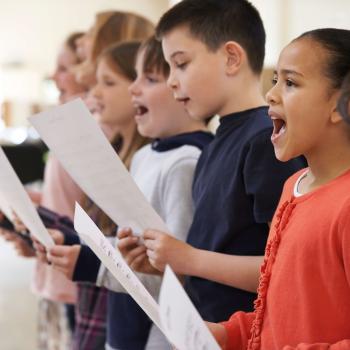
Improving Fluency through Group Literary Performance
Students participate in shared reading, choral reading, and readers theater, using books by Bill Martin, Jr. Repeated readings and literary performances help students with their reading accuracy, expression, and rate.
Power of Picture Books, The: Using Content Area Literature in Middle School
Grades
5 - 9
|
Professional Library
|
Book
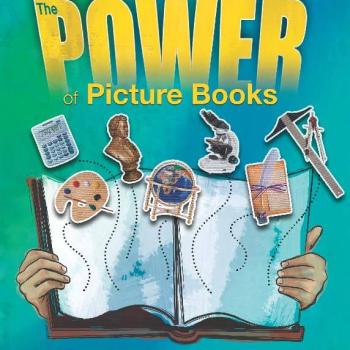
Power of Picture Books, The: Using Content Area Literature in Middle School
Featuring descriptions and activities for fifty exceptional titles, Mary Jo Fresch and Peggy Harkins offer a wealth of ideas for harnessing the power of picture books to improve reading and writing in the content areas.
Choral Reading
Grades
Grades
K - 5
|
Strategy Guide
Choral Reading
During choral reading, students read together orally. Repeated, supported reading helps students read with greater expression and read unfamiliar words with greater ease.
Readers Theatre
Grades
Grades
1 - 5
|
Strategy Guide
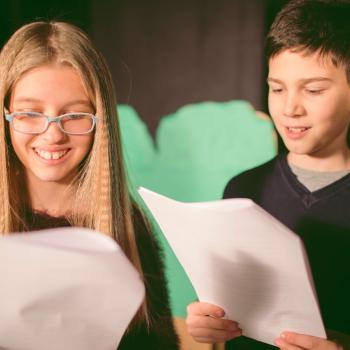
Readers Theatre
Readers Theatre integrates oral reading, literature, and the performing arts. This strategy can entice the most reluctant and disinterested reader to become engaged in reading.
Performing Poetry
Grades
Grades
K - 5
|
Strategy Guide
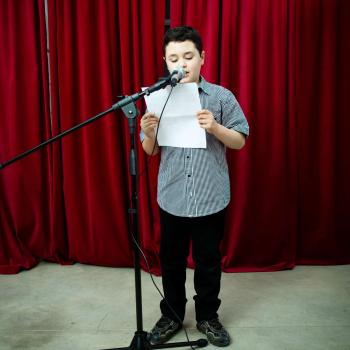
Performing Poetry
Performing poetry incorporates oral reading, literature, and the performing arts. This strategy can benefit content area readers, English language learners, or learners with special needs.
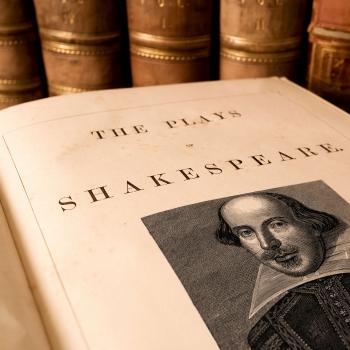
Constructing New Understanding Through Choral Readings of Shakespeare
Grades
9 - 12
|
Lesson Plan
|
Standard Lesson
Constructing New Understanding Through Choral Readings of Shakespeare
After reading The Tempest or any other play by William Shakespeare, students work in small groups to plan, compose, and perform a choral reading based on a character or theme.

Readers Theatre With Jan Brett
Grades
1 - 2
|
Lesson Plan
|
Standard Lesson
Readers Theatre With Jan Brett

Students in grades 1-2 use Jan Brett's Hedgie's Surprise for a Readers Theatre experience.

A High-Interest Novel Helps Struggling Readers Confront Bullying in Schools
Grades
9 - 12
|
Lesson Plan
|
Unit
A High-Interest Novel Helps Struggling Readers Confront Bullying in Schools
Students read a work of realistic fiction about bullying and gain understanding through writing, Readers Theatre, and discussion.

3-2-1 Vocabulary: Learning Filmmaking Vocabulary by Making Films
Grades
6 - 8
|
Lesson Plan
|
Unit
3-2-1 Vocabulary: Learning Filmmaking Vocabulary by Making Films
Bring the vocabulary of film to life through the processes of filmmaking. Students learn terminology and techniques simultaneously as they plan, film, and edit a short video.
Writing a Movie: Summarizing and Rereading a Film Script
Grades
3 - 5
|
Lesson Plan
|
Standard Lesson
Writing a Movie: Summarizing and Rereading a Film Script
Lights! Camera! Action! In this lesson, students view a scene with no dialogue from E.T., write a script for that scene, and perform a dramatic reading while the scene plays.
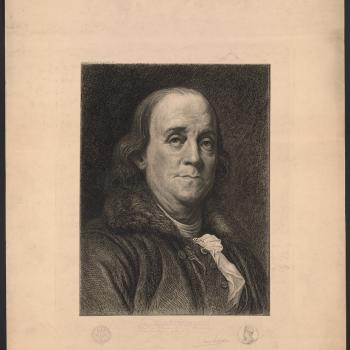
History Comes Alive: Developing Fluency and Comprehension Using Social Studies
Grades
2 - 5
|
Lesson Plan
|
Unit
History Comes Alive: Developing Fluency and Comprehension Using Social Studies
Let the power of imagination and inference serve as a "time machine" to bring Benjamin Franklin into the classroom! History and science come to life in a dialogue with Franklin the inventor, developed through lesson activities that incorporate research, imagination, writing, visual arts, and drama.
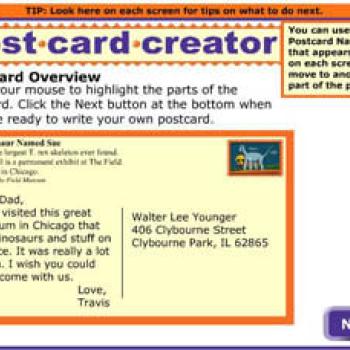
Postcard Creator
Grades
K - 8
|
Student Interactive
|
Writing & Publishing Prose
Postcard Creator

The Postcard Creator helps students learn to identify all the typical parts of a postcard, and then generate their own postcard messages by typing information into letter templates. After printing their texts, students can illustrate the front of their postcards in a variety of ways, including drawing, collage, and stickers.
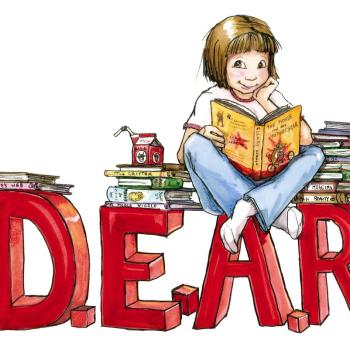
Today is D.E.A.R. Day!
Grades
K - 12
|
Calendar Activity
|
Holiday & School Celebration
Today is D.E.A.R. Day!
April 12 is known as D.E.A.R Day! D.E.A.R. stands for "Drop Everything and Read," a national month-long celebration of reading designed to remind folks of all ages to make reading a priority activity in their lives.

Grades
9 - 12
|
Special Memories & Significant Moments: Making an Electronic Scrapbook

Using a variety of artifacts, mementos, and technologies, teens can create an electronic scrapbook of their most important moments in high school.

Explore Resources by Grade

  • KindergartenK
  • 1-2
  • 3-4
  • 5-6
  • 7-8
  • 9-10
  • 11-12

RWT-logo

Powered By NCTE

Footer 1 Menu

  • About
  • Classroom Resources
  • Professional Development
  • Collections
  • Contact Us

Footer 2 Menu

  • National Council of Teachers of English
  • Contribute to RWT
  • FAQs
  • Join NCTE

Footer 3 Menu

  • Legal Notices
  • Privacy Policy
  • Promotional Materials
  • Site Demonstrations

Want to stay in touch with RWT and NCTE? Sign up here!

  • Facebook
  • Twitter
  • Instagram
  • Pinterest
  • YouTube

© NCTE 2026. All rights reserved