ReadWriteThink - Powered by NCTE
  • About
  • Classroom Resources
    • Lesson Plans
    • Teaching Comics
    • Teaching With Primary Resources
    • Calendar
    • Printouts
    • Student Interactives
  • Collections
    • Assessment
    • Authors
    • Booklists
    • Media Literacy
    • Poetry
    • Primary Sources
    • Writing
  • Professional Development
    • Strategy Guides
    • Professional Library
    • Meetings & Events
  • Join NCTE
  • Contact Us
  • About
  • Classroom Resources
    • Lesson Plans
    • Teaching Comics
    • Teaching With Primary Resources
    • Calendar
    • Printouts
    • Student Interactives
  • Collections
    • Assessment
    • Authors
    • Booklists
    • Media Literacy
    • Poetry
    • Primary Sources
    • Writing
  • Professional Development
    • Strategy Guides
    • Professional Library
    • Meetings & Events
  • Join NCTE
  • Contact Us
  • Facebook
  • Twitter
  • Instagram
  • Pinterest
  • YouTube

Breadcrumb

  1. Home

Type

  • (-) Classroom Resources
    • Calendar Activity
    • Lesson Plan
    • Student Interactive

Grades

  • 1 (3)
  • 2 (4)
  • 3 (5)
  • 4 (5)
  • 5 (6)
  • 6 (9)
  • 7 (9)
  • 8 (9)
  • 9 (11)
  • 10 (10)
  • 11 (9)
  • 12 (9)
  • K (2)

Learning Objectives

  • (-) listening (16)
  • collaboration (33)
  • Comprehension (30)
  • critical thinking (37)
  • digital literacy (11)
  • Grammar (1)
  • inquiry / research (18)
  • literary analysis (28)
  • Media literacy (21)
  • metacognition (25)
  • multicultural awareness (4)
  • multimodal literacy (25)
  • oral communication (22)
  • phonological awareness (1)
  • print awareness (3)
  • reading fluency (8)
  • reading genres (11)
  • Spelling (1)
  • text structure / story structure (17)
  • Vocabulary (11)
  • writing genres (21)
  • writing process (15)

Topics

  • (-) drama
  • arts
  • careers
  • community
  • ELL
  • Family
  • fiction
  • Mathematics
  • Mobile Learning
  • nonfiction
  • poetry
  • science
  • seasons / holidays
  • social action
  • social studies / history
  • STEM
<em>The Mysteries of Harris Burdick</em>: Using Illustrations to Guide Writing
Grades
5 - 9
|
Lesson Plan
|
Standard Lesson
The Mysteries of Harris Burdick: Using Illustrations to Guide Writing
Students use illustrations from The Mysteries of Harris Burdick as a guide to write mysteries and then present their stories to the class for students to discuss to which illustration each story corresponds.

Tragic Love: Introducing Shakespeare's <em>Romeo and Juliet</em>
Grades
9 - 12
|
Lesson Plan
|
Standard Lesson
Tragic Love: Introducing Shakespeare's Romeo and Juliet

This lesson introduces students to William Shakespeare's Romeo and Juliet by having them examine the ideas of tragedy and tragic love by connecting the story to their own lives.
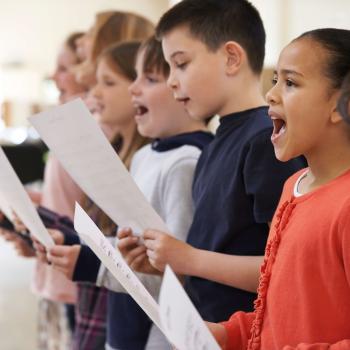
Improving Fluency through Group Literary Performance
Grades
K - 2
|
Lesson Plan
|
Standard Lesson
Improving Fluency through Group Literary Performance
Students participate in shared reading, choral reading, and readers theater, using books by Bill Martin, Jr. Repeated readings and literary performances help students with their reading accuracy, expression, and rate.

Grades
6 - 10
|
Lesson Plan
|
Standard Lesson
Blending the Past with Today's Technology: Using Prezi to Prepare for Historical Fiction
To prepare for literature circles featuring historical novels, students research the decades of the 1930s to the 1990s and share their information using Prezi, a web application for creating multimedia presentations.
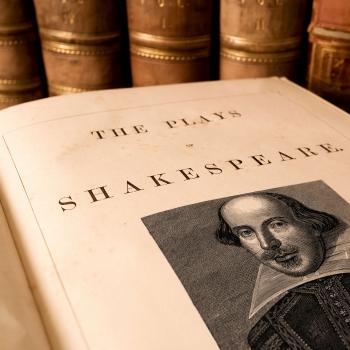
Constructing New Understanding Through Choral Readings of Shakespeare
Grades
9 - 12
|
Lesson Plan
|
Standard Lesson
Constructing New Understanding Through Choral Readings of Shakespeare
After reading The Tempest or any other play by William Shakespeare, students work in small groups to plan, compose, and perform a choral reading based on a character or theme.
Grades
3 - 5
|
Lesson Plan
|
Minilesson
To, Too, or Two: Developing an Understanding of Homophones
The classroom becomes a stage in this interactive lesson in which students sing, act, and design comic strips to learn the meanings and spellings of common homophones.

The Peace Journey: Using Process Drama in the Classroom
Grades
9 - 12
|
Lesson Plan
|
Standard Lesson
The Peace Journey: Using Process Drama in the Classroom

What does peace mean to you? In this lesson, students attempt to answer this question as they write and perform a short skit that reflects their ideas of peace.

A High-Interest Novel Helps Struggling Readers Confront Bullying in Schools
Grades
9 - 12
|
Lesson Plan
|
Unit
A High-Interest Novel Helps Struggling Readers Confront Bullying in Schools
Students read a work of realistic fiction about bullying and gain understanding through writing, Readers Theatre, and discussion.
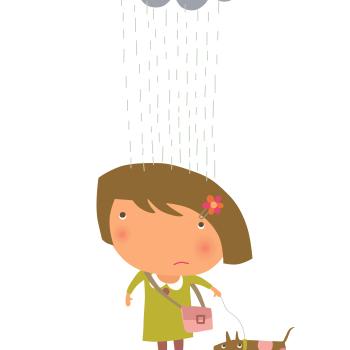
Exploring the Subtext Strategy: Thinking Beyond the Text
Grades
2 - 4
|
Lesson Plan
|
Standard Lesson
Exploring the Subtext Strategy: Thinking Beyond the Text
What is it like to have a terrible, horrible, no good, very bad day? Students find out in this lesson in which they "become" the characters in Judith Viorst's book.

Grades
6 - 8
|
Lesson Plan
|
Recurring Lesson
Choosing, Chatting, and Collecting: Vocabulary Self-Collection Strategy
Students identify interesting words from Shakespeare's plays and add them to a classroom vocabulary collection.

Reading Movies and TV: Learning the "Language" of Moving-Image Texts
Grades
5 - 12
|
Lesson Plan
|
Minilesson
Reading Movies and TV: Learning the "Language" of Moving-Image Texts
Introduce students to the idea that movies and TV have their own language and grammar, which gives them special ways of telling their stories.

Developing Story Structure With Paper-Bag Skits
Grades
6 - 8
|
Lesson Plan
|
Unit
Developing Story Structure With Paper-Bag Skits
Lights, camera, action, and a bit of mystery! In this lesson, students use mystery props in a skit bag to create and perform in short, impromptu skits.
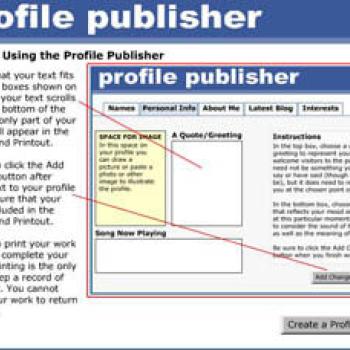
Profile Publisher
Grades
6 - 12
|
Student Interactive
|
Writing & Publishing Prose
Profile Publisher

Students use the Profile Publisher to draft online social networking profiles, yearbook profiles, and newspaper or magazine profiles for themselves, other real or fictional characters.
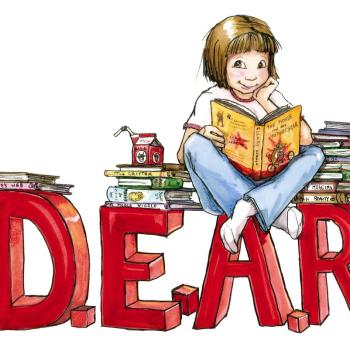
Today is D.E.A.R. Day!
Grades
K - 12
|
Calendar Activity
|
Holiday & School Celebration
Today is D.E.A.R. Day!
April 12 is known as D.E.A.R Day! D.E.A.R. stands for "Drop Everything and Read," a national month-long celebration of reading designed to remind folks of all ages to make reading a priority activity in their lives.

Music in Our Schools Month is in March.
Grades
3 - 12
|
Calendar Activity
|
Holiday & School Celebration
Music in Our Schools Month is in March.
Students explore the effects of music on a story by reading a story, novel, or play, viewing the musical version, and comparing the two. Students can then select a text read in class and create a musical adaptation.

In 1952, Paul Fleischman was born on this day.
Grades
1 - 12
|
Calendar Activity
|
Author & Text
In 1952, Paul Fleischman was born on this day.

Some of Fleishman's memories in his essay "My House of Voices" are shared with the class. Students then write a descriptive essay that gives a tour of the voices in their homes, school, etc.

Explore Resources by Grade

  • KindergartenK
  • 1-2
  • 3-4
  • 5-6
  • 7-8
  • 9-10
  • 11-12

RWT-logo

Powered By NCTE

Footer 1 Menu

  • About
  • Classroom Resources
  • Professional Development
  • Collections
  • Contact Us

Footer 2 Menu

  • National Council of Teachers of English
  • Contribute to RWT
  • FAQs
  • Join NCTE

Footer 3 Menu

  • Legal Notices
  • Privacy Policy
  • Promotional Materials
  • Site Demonstrations

Want to stay in touch with RWT and NCTE? Sign up here!

  • Facebook
  • Twitter
  • Instagram
  • Pinterest
  • YouTube

© NCTE 2026. All rights reserved