Students practice writing detailed, sensory-rich descriptions by framing a small piece of nature and freewriting about it. From this minilesson, students can develop a variety of types of writing.

Creative Writing in the Natural World: A Framing

Blurring Genre: Exploring Fiction and Nonfiction with Diary of a Worm
After reading several examples of how a published author incorporates facts in fiction writing, students research a topic of their choice and write fictional diary entries that incorporate factual information.
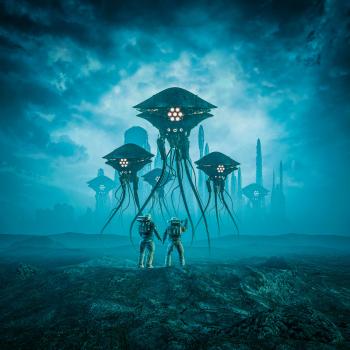
Finding the Science Behind Science Fiction through Paired Readings
Students read science fiction texts and then use nonfiction texts to extrapolate the scientific principles presented as they discuss the "what ifs" within the context of scientific principles.
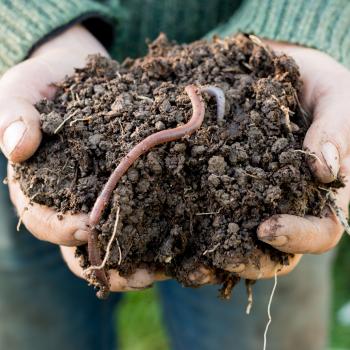
Digging Up Details on Worms: Using the Language of Science in an Inquiry Study
This lesson, in which students research worms in order to create a classroom habitat, incorporates reading and writing across content areas as well as math and science activities.

Literature as a Jumping Off Point for Nonfiction Inquiry
Students use text sets to research a topic inspired by a fiction book they have read. A text set is a collection of multiple text genres with a single focus.
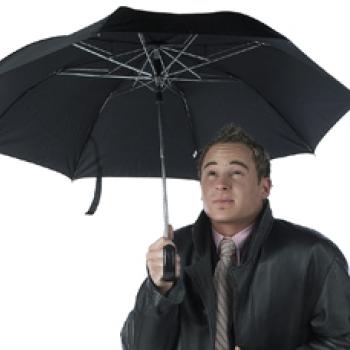
Weather Detectives: Questioning the Fact and Folklore of Weather Sayings
Students adopt a skeptical stance and become weather detectives who ask "Why?" and "Why not?" as they investigate the history and validity of some common weather sayings.

Creating Question and Answer Books through Guided Research
This series of activities is designed to teach research strategies. Students use KWL charts to guide their inquiry and publish their results in a collaborative question and answer book.

Paying Attention to Technology: Exploring a Fictional Technology
Students complete a short survey to establish their beliefs about technology. They compare their opinions to the ideas in a novel that depicts technology (such as 1984 or Fahrenheit 451).

Animal Study: From Fiction to Facts
Students listen to fiction and nonfiction read-alouds and explore selected Websites to identify factual information about animals. This lesson focuses on ants, but can be adapted to any animal.

Glogging About Natural Disasters
After researching various natural disasters, students share their findings with each other using glogs, or through poster presentations.

Getting Graphic with Alternative Energy Sources
After researching alternative sources of energy, students create online comic books to present their information.
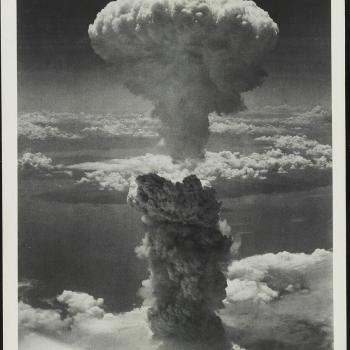
A Blast from the Past with Nuclear Chemistry
After researching the history and basic facts of a nuclear chemistry topic, students utilize the Web 2.0 tool Timetoast to create an electronic timeline that they use to present their research to the class.

Fashion Fun with Fossil Fuels
After researching specific fossil fuel issues, students create their own clothing brands that express their opinions about the issues and then share their information and clothing line using either PowerPoint or Prezi.
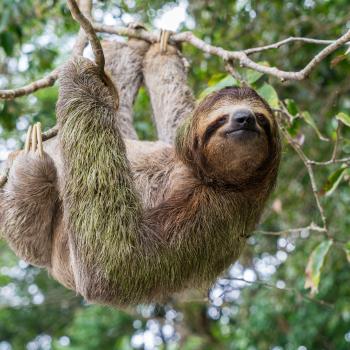
Investigating Animals: Using Nonfiction for Inquiry-based Research
Inspired by their curiosity about animals, students work together to research an animal of their choice and present the information they gather to an authentic audience.
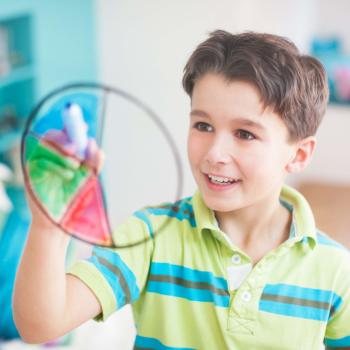
Listen, Look, and Learn: An Information-Gathering Process
After listening to and discussing the story Score One for the Sloths, primary students research the sloth. Students use a variety of resources, including an information wheel graphic organizer.
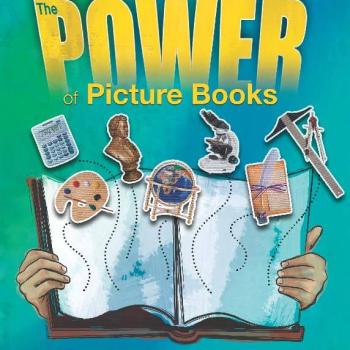
Power of Picture Books, The: Using Content Area Literature in Middle School
Featuring descriptions and activities for fifty exceptional titles, Mary Jo Fresch and Peggy Harkins offer a wealth of ideas for harnessing the power of picture books to improve reading and writing in the content areas.

Life's Journeys: Help Along the Way
Tap into teen and preteen readers' interest in adolescent-mentor relationships with these recommendations!

RAFT Writing Template
Students can utilize this printout to organize their writing as they learn to use the RAFT strategy. This printout enables students to clearly define their role, audience, format, and topic for writing.

Seed Discussion Organizer
Students can utilize this printout to organize their thoughts as a new concept or content is introduced through a Seed Discussion. This printout readies students to acquire new knowledge by organizing what they know and what they're prepared to learn.

Introducing New Content with Seed Discussions
In this strategy guide, you'll learn how to elicit ideas and conversation about new concepts or content by effectively holding a Seed Discussion in your classroom.