ReadWriteThink - Powered by NCTE
  • About
  • Classroom Resources
    • Lesson Plans
    • Teaching Comics
    • Teaching With Primary Resources
    • Calendar
    • Printouts
    • Student Interactives
  • Collections
    • Assessment
    • Authors
    • Booklists
    • Media Literacy
    • Poetry
    • Primary Sources
    • Writing
  • Professional Development
    • Strategy Guides
    • Professional Library
    • Meetings & Events
  • Join NCTE
  • Contact Us
  • About
  • Classroom Resources
    • Lesson Plans
    • Teaching Comics
    • Teaching With Primary Resources
    • Calendar
    • Printouts
    • Student Interactives
  • Collections
    • Assessment
    • Authors
    • Booklists
    • Media Literacy
    • Poetry
    • Primary Sources
    • Writing
  • Professional Development
    • Strategy Guides
    • Professional Library
    • Meetings & Events
  • Join NCTE
  • Contact Us
  • Facebook
  • Twitter
  • Instagram
  • Pinterest
  • YouTube

Breadcrumb

  1. Home

Type

  • Classroom Resources
  • Professional Development

Grades

  • 1 (75)
  • 2 (77)
  • 3 (124)
  • 4 (130)
  • 5 (155)
  • 6 (198)
  • 7 (209)
  • 8 (213)
  • 9 (219)
  • 10 (214)
  • 11 (206)
  • 12 (204)
  • K (67)

Learning Objectives

  • (-) multimodal literacy (260)
  • (-) oral communication (224)
  • collaboration (458)
  • Comprehension (508)
  • critical thinking (649)
  • digital literacy (154)
  • Grammar (57)
  • inquiry / research (350)
  • listening (182)
  • literary analysis (367)
  • Media literacy (205)
  • metacognition (302)
  • multicultural awareness (113)
  • phonological awareness (61)
  • print awareness (89)
  • reading fluency (67)
  • reading genres (290)
  • Spelling (51)
  • text structure / story structure (242)
  • Vocabulary (191)
  • writing genres (382)
  • writing process (421)

Topics

  • arts
  • careers
  • community
  • drama
  • ELL
  • Family
  • fiction
  • Mathematics
  • Mobile Learning
  • nonfiction
  • poetry
  • science
  • seasons / holidays
  • social action
  • social studies / history
  • Sports
  • STEM
Developing Students' Critical Thinking Skills Through Whole-Class Dialogue
Grades
3 - 5
|
Lesson Plan
|
Standard Lesson
Developing Students' Critical Thinking Skills Through Whole-Class Dialogue
"That's my position and I'm sticking to it!" After reading about the Korean War, students will take a position in response to an open-ended question, support their position, and evaluate that support.
Timelines and Texts: Motivating Students to Read Nonfiction
Grades
6 - 8
|
Lesson Plan
|
Standard Lesson
Timelines and Texts: Motivating Students to Read Nonfiction
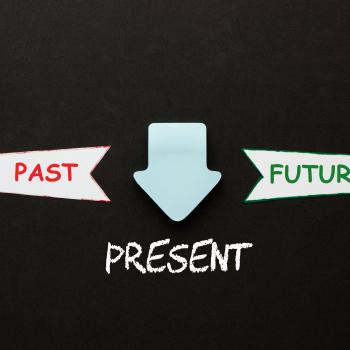
In an effort to help motivate students to read nonfiction, students are challenged to use a timeline to help them name the year when certain products were invented.
Sequencing: A Strategy to Succeed at Reading Comprehension
Grades
3 - 5
|
Lesson Plan
|
Standard Lesson
Sequencing: A Strategy to Succeed at Reading Comprehension
Did Paul Bunyan gouge out the Grand Canyon before or after he dug the Great Lakes? Students create a life-sized timeline showing the sequence of events in this tall tale.
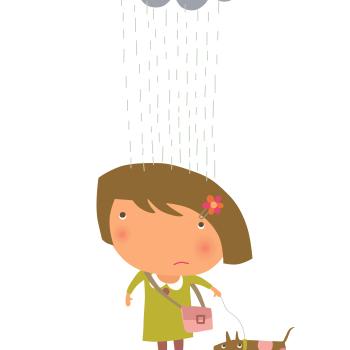
Exploring the Subtext Strategy: Thinking Beyond the Text
Grades
2 - 4
|
Lesson Plan
|
Standard Lesson
Exploring the Subtext Strategy: Thinking Beyond the Text
What is it like to have a terrible, horrible, no good, very bad day? Students find out in this lesson in which they "become" the characters in Judith Viorst's book.

Grades
6 - 8
|
Lesson Plan
|
Recurring Lesson
Choosing, Chatting, and Collecting: Vocabulary Self-Collection Strategy
Students identify interesting words from Shakespeare's plays and add them to a classroom vocabulary collection.
Creative Communication Frames: Discovering Similarities between Writing and Art
Grades
6 - 8
|
Lesson Plan
|
Standard Lesson
Creative Communication Frames: Discovering Similarities between Writing and Art
Graphic organizers assist the development of comparative vocabulary and generate discussions of analogy and metaphor in art as students go on a real or virtual tour of an art gallery.

Show What You Know: Read, Write and Solve Math Problems
Grades
2 - 3
|
Lesson Plan
|
Minilesson
Show What You Know: Read, Write and Solve Math Problems
Informational texts, iPads, and interactive games, oh, my! Help students journey through multimodal texts to identify and solve real-world mathematics problems using writing and apps.

Reading Movies and TV: Learning the "Language" of Moving-Image Texts
Grades
5 - 12
|
Lesson Plan
|
Minilesson
Reading Movies and TV: Learning the "Language" of Moving-Image Texts
Introduce students to the idea that movies and TV have their own language and grammar, which gives them special ways of telling their stories.

Bringing Economic Vocabulary to Life Through Video Posters
Grades
2 - 5
|
Lesson Plan
|
Minilesson
Bringing Economic Vocabulary to Life Through Video Posters
Imagine if vocabulary could come alive with the click of a button! Students create video posters to demonstrate knowledge of new economics vocabulary.
Finding Solutions to Food Waste: Persuasion in a Digital World
Grades
7 - 9
|
Lesson Plan
|
Unit
Finding Solutions to Food Waste: Persuasion in a Digital World
Using various reading strategies and resources, students explore the issue of food waste. They also create persuasive arguments and blog posts examining this topic.
Inspire Healthful Reading Using Unconventional Texts
Grades
K - 2
|
Lesson Plan
|
Minilesson
Inspire Healthful Reading Using Unconventional Texts
This minilesson encourages children to seek out and appropriately react to nutrition labels and to make healthy food choices, integrating science, math, health, and literacy.

Resumes and Cover Letters for High School Students
Grades
9 - 12
|
Lesson Plan
|
Unit
Resumes and Cover Letters for High School Students

High school students are taught how to use resumes and cover letters to highlight their skills and make them stand out, whether applying to college or for a job.

A Portrait of Our World: Making Connections and Developing Comprehension
Grades
6 - 8
|
Lesson Plan
|
Unit
A Portrait of Our World: Making Connections and Developing Comprehension

Students engage in carousel walks, character analyses, global explorations, and genre studies while using valuable language arts strategies to build higher-level comprehension skills.

Engineering the Perfect Poem by Using the Vocabulary of STEM
Grades
7 - 10
|
Lesson Plan
|
Standard Lesson
Engineering the Perfect Poem by Using the Vocabulary of STEM

Students research engineering careers and create poetry to understand the vocabulary of STEM (science, technology, engineering, and mathematics).

Making Memories: An End-of-Year Digital Scrapbook
Grades
6 - 8
|
Lesson Plan
|
Standard Lesson
Making Memories: An End-of-Year Digital Scrapbook
Students reflect on their school year, creating a digital scrapbook consisting of images and text to present to their school community.

3-2-1 Vocabulary: Learning Filmmaking Vocabulary by Making Films
Grades
6 - 8
|
Lesson Plan
|
Unit
3-2-1 Vocabulary: Learning Filmmaking Vocabulary by Making Films
Bring the vocabulary of film to life through the processes of filmmaking. Students learn terminology and techniques simultaneously as they plan, film, and edit a short video.

Engaging With Cause-and-Effect Relationships Through Creating Comic Strips
Grades
2 - 4
|
Lesson Plan
Engaging With Cause-and-Effect Relationships Through Creating Comic Strips
Students demonstrate their knowledge of cause-and-effect relationships by creating original comic strips and sharing their completed work in an oral presentation format.

Creating an Online Community Through Electronic Portfolios
Grades
9 - 12
|
Lesson Plan
|
Recurring Lesson
Creating an Online Community Through Electronic Portfolios
Students publish their work in an electronic portfolio, which enables them to respond to each other's content online.

Reading Idol! Bringing Readers Theatre Center Stage in Your Classroom
Grades
3 - 5
|
Lesson Plan
|
Standard Lesson
Reading Idol! Bringing Readers Theatre Center Stage in Your Classroom
Students produce a Readers Theatre performance to compete to be named the Reading Idol. Students vote on the final performances and record them as podcasts.
Using American Sign Language to Improve Comprehension and Vocabulary
Grades
1 - 3
|
Lesson Plan
|
Standard Lesson
Using American Sign Language to Improve Comprehension and Vocabulary
American Sign Language is combined with the hilarious poetry and pictures of Sam's Sandwich, a lift-the-flap book, to engage all types of learners in acquiring key vocabulary.

Pagination

  • First page « First
  • Previous page ‹‹
  • …
  • Page 9
  • Page 10
  • Page 11
  • Page 12
  • Page 13
  • Page 14
  • Page 15
  • Page 16
  • Page 17
  • …
  • Next page ››
  • Last page Last »

Explore Resources by Grade

  • KindergartenK
  • 1-2
  • 3-4
  • 5-6
  • 7-8
  • 9-10
  • 11-12

RWT-logo

Powered By NCTE

Footer 1 Menu

  • About
  • Classroom Resources
  • Professional Development
  • Collections
  • Contact Us

Footer 2 Menu

  • National Council of Teachers of English
  • Contribute to RWT
  • FAQs
  • Join NCTE

Footer 3 Menu

  • Legal Notices
  • Privacy Policy
  • Promotional Materials
  • Site Demonstrations

Want to stay in touch with RWT and NCTE? Sign up here!

  • Facebook
  • Twitter
  • Instagram
  • Pinterest
  • YouTube

© NCTE 2026. All rights reserved