ReadWriteThink - Powered by NCTE
  • About
  • Classroom Resources
    • Lesson Plans
    • Teaching Comics
    • Teaching With Primary Resources
    • Calendar
    • Printouts
    • Student Interactives
  • Collections
    • Assessment
    • Authors
    • Booklists
    • Media Literacy
    • Poetry
    • Primary Sources
    • Writing
  • Professional Development
    • Strategy Guides
    • Professional Library
    • Meetings & Events
  • Join NCTE
  • Contact Us
  • About
  • Classroom Resources
    • Lesson Plans
    • Teaching Comics
    • Teaching With Primary Resources
    • Calendar
    • Printouts
    • Student Interactives
  • Collections
    • Assessment
    • Authors
    • Booklists
    • Media Literacy
    • Poetry
    • Primary Sources
    • Writing
  • Professional Development
    • Strategy Guides
    • Professional Library
    • Meetings & Events
  • Join NCTE
  • Contact Us
  • Facebook
  • Twitter
  • Instagram
  • Pinterest
  • YouTube

Breadcrumb

  1. Home

Type

  • (-) Classroom Resources
  • Minilesson
  • Standard Lesson

Grades

  • 1 (3)
  • 2 (3)
  • 3 (1)
  • 4 (2)
  • 5 (2)
  • 6 (4)
  • 7 (4)
  • 8 (3)
  • 9 (1)
  • 10 (1)
  • 11 (1)
  • 12 (1)
  • K (3)

Learning Objectives

  • (-) oral communication (9)
  • collaboration (19)
  • Comprehension (17)
  • critical thinking (14)
  • digital literacy (5)
  • Grammar (6)
  • inquiry / research (8)
  • literary analysis (4)
  • Media literacy (6)
  • metacognition (6)
  • multimodal literacy (10)
  • phonological awareness (10)
  • print awareness (8)
  • reading fluency (3)
  • reading genres (8)
  • Spelling (7)
  • text structure / story structure (4)
  • Vocabulary (14)
  • writing genres (12)
  • writing process (17)

Topics

  • (-) ELL
  • arts
  • careers
  • community
  • drama
  • Family
  • fiction
  • Mathematics
  • Mobile Learning
  • nonfiction
  • poetry
  • science
  • seasons / holidays
  • social action
  • social studies / history
  • Sports
  • STEM
Supporting Vocabulary Development with EASE
Grades
6 - 8
|
Lesson Plan
|
Standard Lesson
Supporting Vocabulary Development with EASE
This lesson allows teachers to enrich students' oral and written vocabulary using the EASE sequence of instruction: Enunciate, Associate, Synthesize, and Emphasize the words you want students to use.
Teaching the Epic through Ghost Stories
Grades
9 - 12
|
Lesson Plan
|
Standard Lesson
Teaching the Epic through Ghost Stories
In this lesson, students connect to the oral tradition of epic storytellers by sharing their own oral tales of ghosts and goblins and monsters.
Sí, Se Puede: Making a Difference, One Letter at a Time
Grades
6 - 8
|
Lesson Plan
|
Standard Lesson
Sí, Se Puede: Making a Difference, One Letter at a Time
After reading the book ¡Si, Se Puede!/Yes, We Can!: Janitor Strike in L.A., students learn about labor unions, strikes, and organizing for change. Students interview staff members in their school to learn about their daily work life, and write persuasive advocacy letters.

Boars and Baseball: Making Connections
Grades
4 - 7
|
Lesson Plan
|
Standard Lesson
Boars and Baseball: Making Connections
In this lesson, students will make text-to-self, text-to-text, and text-to-world connections after reading In the Year of the Boar and Jackie Robinson. After sharing and discussing connections, students choose and plan a project that makes a personal connection to the text.
Grades
6 - 8
|
Lesson Plan
|
Standard Lesson
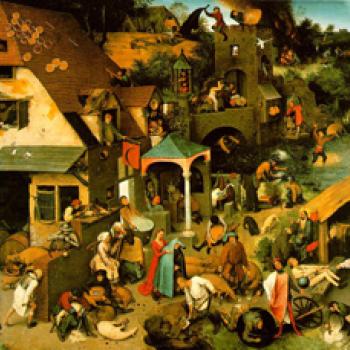
Proverbs: At Home and around the World
In this lesson, students work with proverbs from home and from around the world, exploring how these maxims are tied to a culture's values and everyday experience.

Combining Read-Alouds With Economics in the Primary Grades
Grades
K - 2
|
Lesson Plan
|
Standard Lesson
Combining Read-Alouds With Economics in the Primary Grades
Students learn that what you read in books can really add up when they analyze literary texts for economic concepts.
Using Pictures to Build Schema for Social Studies Content
Grades
3 - 5
|
Lesson Plan
|
Standard Lesson
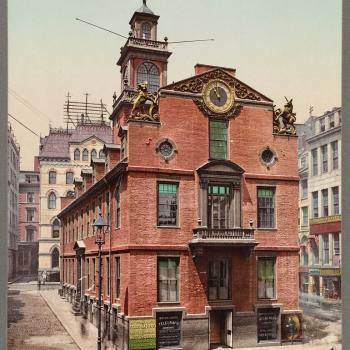
Using Pictures to Build Schema for Social Studies Content
How do you read an image? Students find out in this lesson in which they "read" several images of the Boston Massacre to better understand the event and recognize effects of propaganda.
Let's Read It Again: Comprehension Strategies for English-Language Learners
Grades
K - 2
|
Lesson Plan
|
Standard Lesson
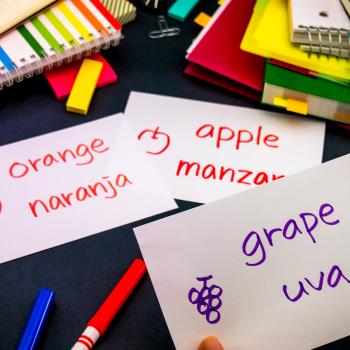
Let's Read It Again: Comprehension Strategies for English-Language Learners
Help Spanish-speaking English-language learners unlock the mysteries of their new language by using a bilingual book to recognize unfamiliar words and construct meaning from the text.

Using Folk Tales: Vowel Influences on the Letter <em>G</em>
Grades
K - 2
|
Lesson Plan
|
Minilesson
Using Folk Tales: Vowel Influences on the Letter G
Gentle, gigantic, graceful—do these g words describe the giant in Jack and the Beanstalk? Students will explore the hard and soft g sounds by studying fairy tales and animals.

Explore Resources by Grade

  • KindergartenK
  • 1-2
  • 3-4
  • 5-6
  • 7-8
  • 9-10
  • 11-12

RWT-logo

Powered By NCTE

Footer 1 Menu

  • About
  • Classroom Resources
  • Professional Development
  • Collections
  • Contact Us

Footer 2 Menu

  • National Council of Teachers of English
  • Contribute to RWT
  • FAQs
  • Join NCTE

Footer 3 Menu

  • Legal Notices
  • Privacy Policy
  • Promotional Materials
  • Site Demonstrations

Want to stay in touch with RWT and NCTE? Sign up here!

  • Facebook
  • Twitter
  • Instagram
  • Pinterest
  • YouTube

© NCTE 2026. All rights reserved