This Strategy Guide is for developing comprehension that incorporates the gradual release of responsibility model.

Supporting Comprehension Strategies for English Language Learners

Supporting Vocabulary Acquisition for English Language Learners
This Strategy Guide introduces strategies teachers can use for ELL vocabulary instruction in their English and content area classrooms.

Promoting Student Self-Assessment
In this Strategy Guide, you'll learn about a number of specific methods that will promote self-assessment and contribute to a richer understanding of student learning.

Teaching With Multiple Modalities
In this Strategy Guide, you'll see how one lesson utilizes tiered texts and multiple modalities in order to meet the learning style needs of students.

Assessing Student Interests and Strengths
In this Strategy Guide, you'll learn about a number of specific methods that can help you to gain a fuller picture of the interests of your students as well as what your students understand, know, and can demonstrate by doing.

Inquiry-Based Learning
In this series of Strategy Guides, you'll learn about different methods and activities to encourage inquiry-based learning in your classroom.

Reading in the Content Areas
In this Strategy Guide Series, you'll get information and ideas about teaching reading in the different content areas.

Facilitating Participation with Silent Conversations
This guide introduces silent conversations, a collaborative learning technique that has students
thinking, sharing, and reflecting about important questions—but through writing rather than talk.

Conducting Inner-Outer Circle Discussions
This guide shares the steps to take to get more students talking by dividing the group into speaking and non-speaking circles.

Using Generative Sentences to Apply Academic Vocabulary
In this guide, you will learn how to use generative sentences to give students opportunities to apply their knowledge of new words in writing.

Developing Evidence-Based Arguments from Texts
This strategy guide clarifies the difference between persuasion and argumentation, stressing the connection between close reading of text to gather evidence and formation of a strong argumentative claim about text.

Close Reading of Literary Texts
This guide provides strategies for choosing text that is appropriate for close reading and to plan for instruction.

Making the Reading Process Visible through Performance Assessment
Effective differentiation begins with purposeful assessment. In this strategy guide, you'll learn how to construct an authentic performance-based reading assessment that will give you access to students' thinking before, during, and after reading.

Promoting Student-Directed Inquiry with the I-Search Paper
The sense of curiosity behind research writing gets lost in some school-based assignments. This Strategy Guide provides the foundation for cultivating interest and authority through I-Search writing, including publishing online.

Inquiry Charts (I-Charts)
This guide introduces I-Charts, a strategy that enables students to generate meaningful questions about a topic and organize their writing.

Question the Author (QtA)
In this guide, you'll be introduced to a strategy that requires students to challenge their understanding and solidify their knowledge while reading a text.

Exit Slips
This strategy guide introduces the concept of using Exit Slips in the classroom to help students reflect on what they have learned and express what or how they are thinking about the new information. Exit Slips easily incorporate writing into the content area classroom and require students to think critically.

Guideline on The Students' Right to Read
The current edition of The Students' Right to Read is an adaptation and updating of the original Council statement, including "Citizen's Request for Reconsideration of a Work."

Literary Terms: A Practical Glossary
Literary Terms: A Practical Glossary provides up-to-date definitions, drawing on recent developments in literary theory and emphasizing the role of reading practices in the reproduction of literary meanings. Unlike other glossaries, it includes brief activities to help students develop a working knowledge of the concepts.
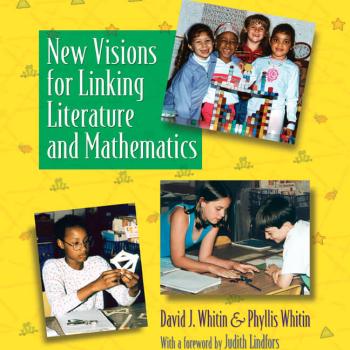
New Visions for Linking Literature and Mathematics
David and Phyllis Whitin offer K–6 teachers a wealth of ideas for integrating literature and mathematics.