ReadWriteThink - Powered by NCTE
  • About
  • Classroom Resources
    • Lesson Plans
    • Teaching Comics
    • Teaching With Primary Resources
    • Calendar
    • Printouts
    • Student Interactives
  • Collections
    • Assessment
    • Authors
    • Booklists
    • Media Literacy
    • Poetry
    • Primary Sources
    • Writing
  • Professional Development
    • Strategy Guides
    • Professional Library
    • Meetings & Events
  • Join NCTE
  • Contact Us
  • About
  • Classroom Resources
    • Lesson Plans
    • Teaching Comics
    • Teaching With Primary Resources
    • Calendar
    • Printouts
    • Student Interactives
  • Collections
    • Assessment
    • Authors
    • Booklists
    • Media Literacy
    • Poetry
    • Primary Sources
    • Writing
  • Professional Development
    • Strategy Guides
    • Professional Library
    • Meetings & Events
  • Join NCTE
  • Contact Us
  • Facebook
  • Twitter
  • Instagram
  • Pinterest
  • YouTube

Breadcrumb

  1. Home

Type

  • Classroom Resources
  • Professional Development

Grades

  • 1 (85)
  • 2 (81)
  • 3 (80)
  • 4 (82)
  • 5 (90)
  • 6 (148)
  • 7 (147)
  • 8 (147)
  • 9 (161)
  • 10 (161)
  • 11 (158)
  • 12 (158)
  • K (85)

Learning Objectives

  • (-) phonological awareness (61)
  • (-) reading genres (290)
  • collaboration (458)
  • Comprehension (508)
  • critical thinking (649)
  • digital literacy (154)
  • Grammar (57)
  • inquiry / research (350)
  • listening (182)
  • literary analysis (367)
  • Media literacy (205)
  • metacognition (302)
  • multicultural awareness (113)
  • multimodal literacy (260)
  • oral communication (224)
  • print awareness (89)
  • reading fluency (67)
  • Spelling (51)
  • text structure / story structure (242)
  • Vocabulary (191)
  • writing genres (382)
  • writing process (421)

Topics

  • arts
  • careers
  • community
  • drama
  • ELL
  • Family
  • fiction
  • Mathematics
  • Mobile Learning
  • nonfiction
  • poetry
  • science
  • seasons / holidays
  • social action
  • social studies / history
  • Sports
  • STEM
Magazine Redux: An Exercise in Critical Literacy
Grades
9 - 12
|
Lesson Plan
|
Standard Lesson
Magazine Redux: An Exercise in Critical Literacy
Paper and pixels get compared in this lesson in which students compare both printed and online versions of a magazine.
Everyone Loves a Mystery: A Genre Study
Grades
6 - 8
|
Lesson Plan
|
Unit
Everyone Loves a Mystery: A Genre Study

Students track the elements of mystery stories through Directed Learning-Thinking Activities, story maps, and puzzles. Then they offer clues for other readers as they plan and write original mystery stories.
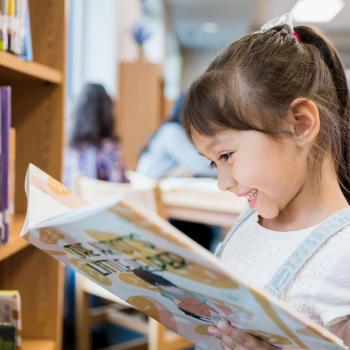
Diagram It! Identifying, Comparing, and Writing About Nonfiction Texts
Grades
K - 2
|
Lesson Plan
|
Unit
Diagram It! Identifying, Comparing, and Writing About Nonfiction Texts
Students compare the traits fact and fiction by using a Venn diagram to compare fiction and nonfiction books about Native Americans.
Using Historical Fiction to Learn About the Civil War
Grades
3 - 5
|
Lesson Plan
|
Standard Lesson
Using Historical Fiction to Learn About the Civil War
Students in grades 4 and 5 discuss inferential comprehension and visualization as they use a think-aloud questioning strategy to develop a deeper understanding of a historical novel.
Grades
K - 2
|
Lesson Plan
|
Standard Lesson
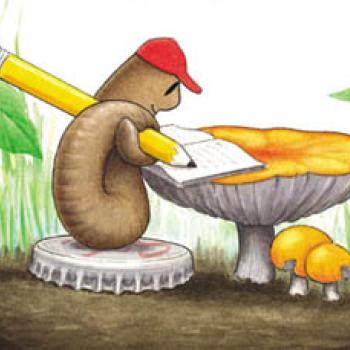
Fact or Fiction: Learning About Worms Using Diary of a Worm
Students often believe that fiction writers make everything up, seldom realizing how research worms its way into entertaining writing. In this lesson, students read Diary of a Worm to find out how fact merges with fiction.
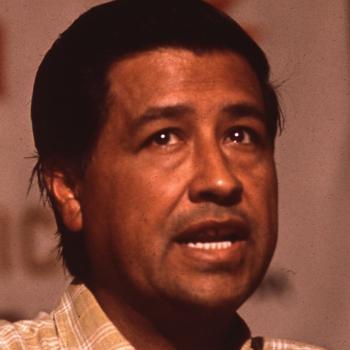
Writing Free Verse in the "Voice" of Cesar Chavez
Grades
6 - 8
|
Lesson Plan
|
Standard Lesson
Writing Free Verse in the "Voice" of Cesar Chavez
Poetry and politics combine in this lesson where students write a free verse poem in the voice of Cesar Chavez.

Telling a Story About Me: Young Children Write Autobiographies
Grades
K - 2
|
Lesson Plan
|
Unit
Telling a Story About Me: Young Children Write Autobiographies
Students tell their life stories in this lesson about autobiographies based on family photographs.
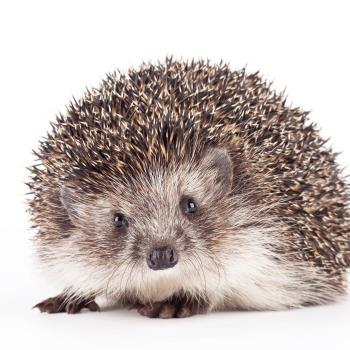
Readers Theatre With Jan Brett
Grades
1 - 2
|
Lesson Plan
|
Standard Lesson
Readers Theatre With Jan Brett

Students in grades 1-2 use Jan Brett's Hedgie's Surprise for a Readers Theatre experience.

Astronomy Poetry: Combining Poetry With the Content Areas
Grades
6 - 8
|
Lesson Plan
|
Unit
Astronomy Poetry: Combining Poetry With the Content Areas
Students' responses to this lesson will be out of this world after they've researched astronomy to write poetry and compile a poetry book.
Q is for Duck: Using Alphabet Books With Struggling Writers
Grades
3 - 5
|
Lesson Plan
|
Standard Lesson
Q is for Duck: Using Alphabet Books With Struggling Writers
A is for zoo? Q is for duck? The alphabet as students know it is transformed when students create a class book that contains clever associations for each letter of the alphabet.
A Biography Study: Using Role-Play to Explore Authors' Lives
Grades
9 - 12
|
Lesson Plan
|
Standard Lesson
A Biography Study: Using Role-Play to Explore Authors' Lives
Students read biographies and explore websites of selected American authors and then role-play as the authors.
Thundering Tall Tales: Using Read-Aloud as a Springboard to Writing
Grades
3 - 5
|
Lesson Plan
|
Standard Lesson
Thundering Tall Tales: Using Read-Aloud as a Springboard to Writing
Imagination and application are key to this tall tale lesson in which students take what they know about tall tales to spin a yarn of their own.
Predicting and Gathering Information With Nonfiction Texts
Grades
K - 2
|
Lesson Plan
|
Unit
Predicting and Gathering Information With Nonfiction Texts
Students take a walk on the wild side when they develop an understanding of nonfiction texts with hands-on experiences and intense analysis.
Phonics In Context
Grades
K - 2
|
Lesson Plan
|
Minilesson
Phonics In Context
Use an engaging, authentic text to build students' knowledge of phonic elements and give them a taste of Japanese culture.
Name Talk: Exploring Letter-Sound Knowledge in the Primary Classroom
Grades
K - 1
|
Lesson Plan
|
Standard Lesson
Name Talk: Exploring Letter-Sound Knowledge in the Primary Classroom
Students demonstrate their letter/sound knowledge by working with name cards and sharing observations about their classmates' names, giving teachers an opportunity to assess knowledge in a meaningful context.

Grades
3 - 5
|
Lesson Plan
|
Standard Lesson
Developing a Living Definition of Reading in the Elementary Classroom
Using the guiding question, "What is reading?" students interact with a variety of texts as they uncover the skills necessary to interact with texts and develop a definition of reading.
Awareness of Alliteration: Enhancing Writing Through Mentor Texts
Grades
1
|
Lesson Plan
|
Standard Lesson
Awareness of Alliteration: Enhancing Writing Through Mentor Texts
Through this lesson, primary students strengthen their phonemic awareness while using picture books featuring alliteration as models for their own writing.
Beyond History Books: Researching With Twin Texts and Technology
Grades
4 - 8
|
Lesson Plan
Beyond History Books: Researching With Twin Texts and Technology
Students in grades 4–8 activate prior knowledge and research information about a historic event through fiction and nonfiction literature and exploration of relevant websites.

Seeking Social Justice Through Satire: Jonathan Swift's "A Modest Proposal"
Grades
10 - 12
|
Lesson Plan
|
Unit
Seeking Social Justice Through Satire: Jonathan Swift's "A Modest Proposal"
This lesson assists advanced students in grades 10–12 in comprehending Jonathan Swift's "A Modest Proposal" and developing a presentation to satirize a contemporary social issue.

What is Poetry? Contrasting Poetry and Prose
Grades
6 - 8
|
Lesson Plan
|
Standard Lesson
What is Poetry? Contrasting Poetry and Prose

Students often find poetry frustrating and meaningless. By helping students think critically about the differences between poetry and prose, this introduction sets the stage for different strategies for comprehending poetic texts.

Pagination

  • First page « First
  • Previous page ‹‹
  • …
  • Page 8
  • Page 9
  • Page 10
  • Page 11
  • Page 12
  • Page 13
  • Page 14
  • Page 15
  • Page 16
  • …
  • Next page ››
  • Last page Last »

Explore Resources by Grade

  • KindergartenK
  • 1-2
  • 3-4
  • 5-6
  • 7-8
  • 9-10
  • 11-12

RWT-logo

Powered By NCTE

Footer 1 Menu

  • About
  • Classroom Resources
  • Professional Development
  • Collections
  • Contact Us

Footer 2 Menu

  • National Council of Teachers of English
  • Contribute to RWT
  • FAQs
  • Join NCTE

Footer 3 Menu

  • Legal Notices
  • Privacy Policy
  • Promotional Materials
  • Site Demonstrations

Want to stay in touch with RWT and NCTE? Sign up here!

  • Facebook
  • Twitter
  • Instagram
  • Pinterest
  • YouTube

© NCTE 2026. All rights reserved